
The laboratory environment is a critical area where biosafety is paramount. Laboratories, especially those working with biohazardous materials or pathogens, face significant biosafety challenges. With the rising need for efficient sterilization methods, particularly in biosafety cabinet setups or during field testing, the demand for advanced sterilization equipment has never been more pronounced. Here, we delve into how Micro Incinerators like the Infrared Inoculating Loop Sterilizer can revolutionize waste management and sterilization consistency in Belgium’s laboratories.
Technical Principles of Micro Incinerators
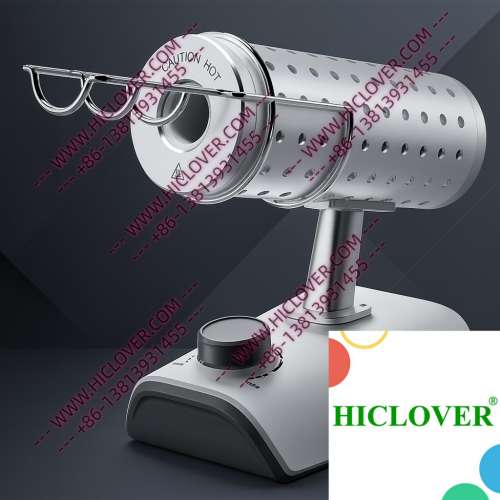
Micro Incinerators operate on the principle of rapid thermal sterilization, utilizing high temperature infrared heat to achieve effective disinfection. Unlike traditional flame sterilizers such as Bunsen burners or alcohol lamps, these devices feature an enclosed ceramic heating chamber that ensures a clean and controlled environment, crucial for maintaining biosafety protocols.
The infrared technology allows for rapid heating of inoculating loops and other equipment, reaching temperatures needed for high-temperature disinfection within seconds. The enclosed design further minimizes the risk of airborne contamination, making it an excellent choice for clean-bench-safe workspaces.
Applications in Laboratory Settings
The Micro Incinerator has proven its value in various laboratory settings and is particularly useful in:
- Biosafety Cabinets: In this controlled environment, the Micro Incinerator provides a flame-free sterilization option that enhances safety while working with sensitive biological samples.
- Field Testing Labs: Mobile labs conducting field tests can utilize Micro Incinerators for rapid sterilization, ensuring that equipment is decontaminated on-site without the need for bulky sterilization equipment.
- University Teaching Labs: In educational settings, students benefit from hands-on experience with safe and efficient sterilization techniques, fostering better learning outcomes and emphasizing the importance of contamination control.
Compliance with Biosafety Standards
Maintaining compliance with WHO biosafety standards and lab sterilization regulations is crucial for all laboratories, especially those working with infectious agents. Micro Incinerators meet and exceed specific safety guidelines, making them suitable for use in BSL-2 and BSL-3 microbiology labs. The elimination of open flames in clean rooms is particularly important because it reduces fire hazards and aerosol generation from heated material.
In Belgium, where stringent environmental regulations are in place, the adoption of Micro Incinerators aligns with waste management policies aimed at reducing landfill usage. By converting waste to energy through micro incineration, laboratories contribute not only to a safer working environment but also to eco-friendly waste disposal practices.
Comparison: Micro Incinerator vs. Traditional Flame Sterilizers
| Feature | Micro Incinerator | Flame Sterilizers |
|---|---|---|
| Heating Method | Infrared | Open Flame |
| Noise Level | Quiet | Variable |
| Flame Control | Stable & Adjustable | Manual Control |
| Efficiency | Rapid & Reliable | Time-consuming |
| Safety | Safer | Higher risk of fire |
Frequently Asked Questions
What is the typical temperature range for a Micro Incinerator?
The Micro Incinerator typically reaches temperatures between 800 to 1000 degrees Celsius, ensuring effective sterilization of various laboratory tools.
Can Micro Incinerators be used in different laboratory levels?
Yes, Micro Incinerators are suitable for BSL-2 and BSL-3 labs, adhering to appropriate safety and sterilization requirements.
What are the advantages of using a Micro Incinerator over traditional methods?
The advantages include rapid heating, adjustable temperature control, minimized fire hazards, and no need for open flames, which can compromise clean room standards.
Are there any specific maintenance requirements for these devices?
Regular cleaning of the ceramic heating tube is essential to maintain efficiency and longevity, along with routine checks of the electrical components.
How does using a Micro Incinerator contribute to a laboratory’s waste management strategy?
Micro Incinerators aid in the reduction of waste by converting contaminated materials into energy, thus supporting eco-friendly practices and adherence to local waste disposal regulations.
Conclusion
In the evolving landscape of laboratory work and waste management, Micro Incinerators stand as a critical asset for ensuring both safety and efficiency. By transitioning from conventional flame-based methods to these innovative devices, laboratories across Belgium can enhance their operations while contributing positively to environmental sustainability. For detailed specifications or to place an order for the Infrared Inoculating Loop Sterilizer, do not hesitate to get in touch with us today!
Categories:
Tags: