
In the contemporary landscape of laboratory practices, the demand for efficient sterilization equipment has never been more pressing. Laboratories face significant biosafety challenges, particularly in high-containment environments like BSL-2 and BSL-3 microbiology labs. Traditional sterilization methods, such as alcohol lamps and Bunsen burners, can pose risks related to open flames, contamination, and inconsistent sterilization results. Enter the micro incinerator—specifically the Micro Incinerator / Infrared Inoculating Loop Sterilizer, a groundbreaking tool designed to meet the stringent demands of modern laboratories.
Technical Principles of Micro Incinerators
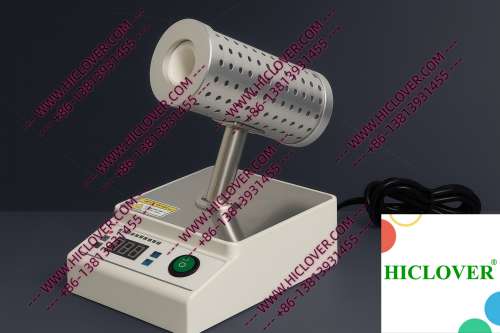
The Micro Incinerator operates on the principle of rapid thermal sterilization using an enclosed ceramic heating chamber. By employing infrared heat, this device can reach high temperatures almost instantaneously, effectively disinfecting inoculating loops, needles, and other laboratory instruments. Unlike traditional methods, the ceramic tube design ensures that sterilization occurs without the risk of flame-based aerosols, which are of particular concern in cleanroom environments.
Advantages Over Traditional Flame Sterilizers
When comparing micro incinerators to conventional flame sterilizers, several advantages manifest:
- Safety: Incinerators eliminate the risks associated with open flames, thereby reducing the likelihood of laboratory accidents.
- Efficiency: The rapid thermal sterilization saves valuable time in busy laboratory settings.
- Contamination Control: The closed system of a micro incinerator minimizes the chances of cross-contamination.
- Environmentally Friendly: The design is tailored to minimize emissions, making it compliant with rising environmental standards.
Applications in Laboratory Environments
The versatility of micro incinerators allows for a variety of applications in different lab settings:
1. University Teaching Labs
In educational institutions, teaching labs require reliable and effective sterilization solutions to ensure student safety and lab integrity. The Micro Incinerator can be used to sterilize inoculating loops during microbiology classes, providing students with a hands-on understanding of biosafety protocols without the fear of fire hazards.
2. Mobile and Field Testing Labs
In the emerging field of environmental monitoring, mobile laboratories are increasingly utilized for on-site testing. The micro incinerator serves as an excellent choice for field operations where traditional flame sterilizers might not be practical due to safety concerns or regulatory restrictions. It allows researchers to perform rapid sterilization in remote locations while maintaining compliance with biosafety standards.
Compliance with Global Standards
Adhering to biosafety regulations is paramount in laboratory settings. The World Health Organization (WHO) outlines biosafety guidelines that laboratories must follow, which includes effective sterilization processes to prevent contamination and infection risk. Micro incinerators are particularly well-suited for cleanroom applications, as they do not produce flames that could compromise air quality.
Furthermore, organizations like the Centers for Disease Control and Prevention (CDC) emphasize the importance of using non-flame techniques in clean environments. Facilities aiming for ISO certification can greatly benefit from integrating micro incinerators into their sterilization workflows.
Regional Relevance: A Focus on Polish Communities
In Poland, as in many European countries, there is a growing awareness of the need for sustainable waste management solutions. The micro incinerator can be applied not only for laboratory sterilization but also for the disposal of hazardous waste materials. By transforming waste into energy, these devices align well with ecological initiatives and contribute to community health and safety.
FAQs About Micro Incinerators
1. What is a micro incinerator?
A micro incinerator is a compact sterilization device that uses infrared technology to achieve high-temperature disinfection of laboratory tools efficiently and safely.
2. How does a micro incinerator improve biosafety in laboratories?
By providing a flame-free sterilization method, it minimizes the risk of fire hazards, contamination, and exposure to aerosols in sensitive environments.
3. Can micro incinerators be used in cleanrooms?
Yes, micro incinerators are designed to operate safely in cleanrooms and comply with strict environmental standards.
4. What are the key benefits of using micro incinerators over traditional methods?
Benefits include improved safety, rapid thermal sterilization, enhanced contamination control, and greater environmental compliance.
5. Is there a comparison available between micro incinerators and traditional flame sterilizers?
Yes, a comparative analysis shows that micro incinerators offer superior safety, efficiency, and environmental compatibility than traditional flame sterilizers.
Conclusion
As the landscape of laboratory biosafety evolves, investing in advanced sterilization equipment like micro incinerators becomes imperative. Not only do they provide a practical solution for the growing demands in various laboratory environments, but they also contribute to ecological sustainability. If you’re in the market for top-quality Micro Incinerator / Infrared Inoculating Loop Sterilizers, we encourage you to reach out for expert guidance tailored to your specific needs. Together, let’s turn waste management into energy solutions and enhance laboratory safety.
Categories:
Tags: