
In laboratories around the world, ensuring biosafety is paramount. From the rigorous requirements laid out for BSL-2 and BSL-3 microbiology labs to the demands of teaching facilities, laboratory sterilization equipment must meet high standards of both efficacy and safety. One innovative product rapidly gaining traction is the Micro Incinerator, particularly the Infrared Inoculating Loop Sterilizer. This device not only addresses sterilization workflow demands but also plays a significant role in energy management, converting waste products into energy in today’s U.S. cities.
Technical Principles of Micro Incinerators
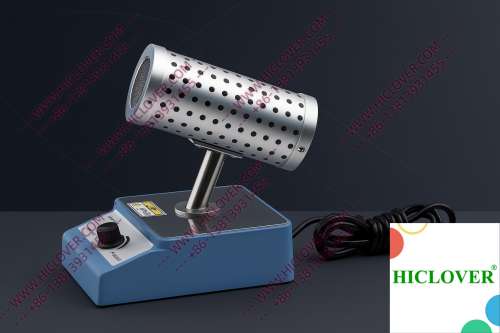
The Micro Incinerator employs advanced infrared technology to deliver rapid and effective sterilization of inoculating loops and other lab tools. At its core, the principle revolves around infrared heat that is generated within an enclosed ceramic tube designed for maximum thermal efficiency. This design minimizes energy loss and enables the sterilizer to reach high temperatures quickly, effectively eliminating any microbial contamination.
Unlike traditional flame sterilizers, such as alcohol lamps or Bunsen burners, the Micro Incinerator provides a clean, controlled method for sterilization. Its aerosol-free handling ensures that contamination is minimized, particularly in clean environments such as biosafety cabinets.
Applications of Micro Incinerators in Laboratories
- Biosafety Cabinets: In BSL-2 and BSL-3 labs, Micro Incinerators are deployed to sterilize tools while keeping the workspace safe. The no-flame feature reduces risk, making it an ideal choice for handling pathogenic samples.
- Teaching Laboratories: University labs utilize these devices for training purposes. Their ease of use and safety mechanisms offer a practical demonstration of sterilization techniques without the hazards of open flames.
- Field Testing Labs: In remote locations or mobile setups, Micro Incinerators prove invaluable. They allow for effective sterilization of tools without the need for electricity, maintaining biosafety even outside conventional facilities.
- What makes the Micro Incinerator safer compared to traditional sterilizers? The Micro Incinerator utilizes infrared heat without an open flame, minimizing the risk of contamination and fire hazards.
- Are there specific labs where the Micro Incinerator is more beneficial? Yes, it is particularly advantageous in BSL-2 and BSL-3 labs where safety and sterilization efficiency are critical.
- How does the Micro Incinerator comply with international biosafety standards? The design and functionality of the Micro Incinerator ensure that it meets WHO guidelines and other laboratory sterilization standards.
- Can Micro Incinerators be utilized in field testing? Absolutely! They are compact and efficient, making them perfect for sterilization tasks in remote and mobile labs.
- What are the economic benefits of using Micro Incinerators? They help in reducing waste management costs while also transitioning waste into energy, offering significant economic advantages.
Compliance and Environmental Safety
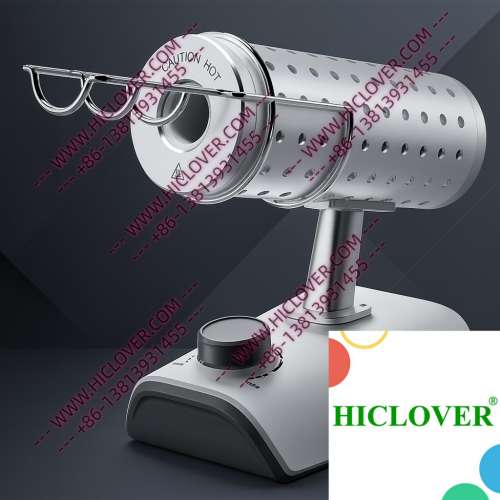
Adhering to laboratory sterilization standards is crucial for any research facility. Compliance with guidelines set forth by the WHO and other regulatory bodies ensures that laboratories maintain rigorous biosafety measures. The Micro Incinerator fits seamlessly into these regulations, offering an efficient alternative to flame sterilizers that can’t be employed within clean rooms due to fire hazards. Its closed design allows for high-temperature disinfection while remaining clean-bench-safe, which is mandatory for laboratories handling certain hazardous materials.
“The Micro Incinerator’s superior sterilization capability and compliance with biosafety standards set it apart from traditional flameless sterilizers.” – Lab Safety Expert
Cost-Effectiveness and Economic Impact
Transitioning from conventional waste management to leveraging Micro Incinerators for energy recovery offers cities an innovative approach to handle waste. By converting organic waste into energy, cities can reduce landfill dependency and even produce biogas for local energy use. The economic implications are significant, including reduced waste management costs, lower energy expenditures, and the creation of new job opportunities in waste management and energy sectors.
Advantages of Micro Incinerators Over Traditional Flame Sterilizers
| Feature | Micro Incinerator | Flame Burners |
|---|---|---|
| Safety | No flame, aerosol-free | Open flame, aerosol risk |
| Efficiency | Rapid thermal sterilization | Slower startup time |
| Portability | Compact, energy-efficient | Less mobile due to fuel requirements |
| Environmental Impact | Waste-to-energy conversion | Higher emissions from fuel burning |
Frequently Asked Questions
Conclusion
In an age where laboratory practices must balance safety, efficiency, and environmental consciousness, the Micro Incinerator serves as an innovative bridge between these needs. The ability to transform laboratory waste into energy, combined with its pristine sterilization capabilities, makes it invaluable to breweries, hospitals, and teaching institutions alike.
Whether you’re in a clinical diagnostic setting or an educational lab, the Micro Incinerator will elevate your sterilization protocols. Explore how this compact, efficient solution can transform your workflow and safety standards. Contact us today for further information or to make a purchase!
Categories:
Tags: