
In modern laboratory settings, the challenges of biosafety and proper sterilization workflows are ever-present. Laboratories, especially those operating under BSL-2 and BSL-3 conditions, require stringent measures to ensure contamination control and effective sterilization of tools and surfaces. Traditional methods like alcohol lamps and Bunsen burners have largely fallen out of favor due to safety concerns, inefficiency, and limited sterilization efficacy. That’s where innovative solutions like the Micro Incinerator, specifically the Infrared Inoculating Loop Sterilizer, come into play.
The Technical Principles of Infrared Sterilization
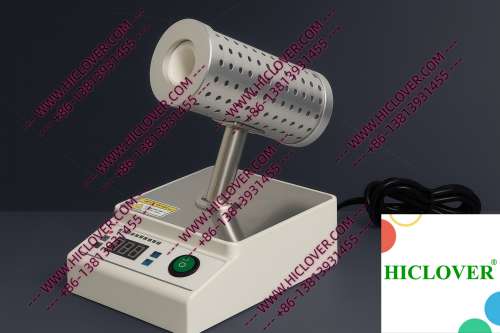
The Micro Incinerator utilizes infrared technology to achieve rapid thermal sterilization, enhancing laboratory efficiency while adhering to stringent safety protocols. It accomplishes this through a specially designed enclosed ceramic heating chamber that generates high temperatures in a targeted manner. Unlike open flames from traditional burners, which can introduce contaminants and are a fire hazard, infrared sterilizers offer a clean-bench-safe environment for sterilizing inoculating loops and other lab instruments.
The core components of an Infrared Inoculating Loop Sterilizer include:
- Ceramic Heating Chamber: Allows for quick heating and precise temperature control.
- Infrared Heat Source: Efficiently delivers consistent heat across surfaces without direct flame.
- Compact Design: Ideal for sterilization in limited space, such as biosafety cabinets.
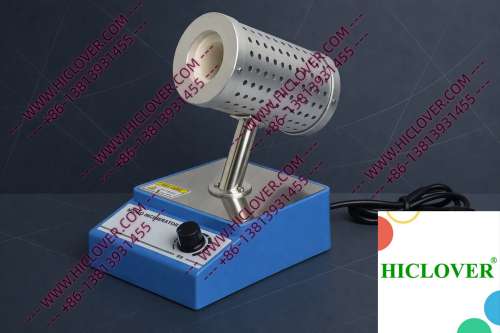
Real-World Applications of Micro Incinerators
Biosafety Cabinets
Laboratories working with pathogenic microorganisms must prioritize safety and sterilization efficiency. In a BSL-2 biosafety cabinet, the Micro Incinerator serves as an essential tool, minimizing aerosol generation during sterilization. Users can conveniently sterilize loops and tools without leaving the designated safe zone, directly disconnecting the risk of cross-contamination.
University Teaching Labs
In educational settings like university teaching labs, the Micro Incinerator demonstrates its versatility. Students can observe and practice familiarizing themselves with sterilization processes in a controlled environment. The rapid sterilization capability allows for a higher turnover of samples, enhancing the educational experience by providing hands-on, practical learning of aseptic techniques without the risks associated with flame-based sterilizers.
Compliance with Biosafety Standards
The adoption of Micro Incinerators aligns well with global biosafety guidelines. The World Health Organization (WHO) emphasizes the importance of sterilization to prevent infections in laboratory environments. Sterilizers must adhere to lab sterilization standards, particularly regarding safety operations in clean rooms and BSL-2 environments where flame use is often prohibited due to air quality control concerns.
According to OSHA regulations, flame sterilizers are not only hazardous but can lead to contamination risks. Infrared sterilizers like the Micro Incinerator provide a solution that meets contemporary biosafety standards.
Advantages Over Traditional Flame Sterilizers
When contrasting Micro Incinerators with traditional flame burners, several advantages remain paramount:
| Feature | Micro Incinerator | Traditional Flame Sterilizers |
|---|---|---|
| Safety | Alcohol-free, no open flame | Fire risk, aerosol exposure |
| Efficiency | Rapid heating and cooling | Time-consuming heat up and cool down |
| Contamination Control | Minimal risk of contamination | Higher risk of cross-contamination |
| Operating Environment | Ideal for cleanrooms | Unsuitable for clean environments |
Common Questions About Micro Incinerators
What is the benefit of using a Micro Incinerator over traditional sterilizers?
The Micro Incinerator offers rapid sterilization without the risks associated with flames, making it ideal for sensitive lab environments.
Can Micro Incinerators be used in field labs?
Yes, their compact and robust design makes them suitable for mobile or field testing labs, providing efficient sterilization wherever needed.
How do Micro Incinerators ensure compliance with biosafety standards?
They operate without flames, minimizing contamination risks, and comply with guidelines from organizations like the WHO and OSHA.
What is the maintenance required for the Micro Incinerator?
The Micro Incinerator is low-maintenance; regular cleaning of the ceramic heating chamber is typically sufficient to ensure longevity and performance.
Are Micro Incinerators safe to use in cleanrooms?
Absolutely! Their design eliminates open flames and reduces the potential for contaminating particles in critical environments.
Conclusion: Elevate Your Laboratory Sterilization Process
In conclusion, the Micro Incinerator, specifically the Infrared Inoculating Loop Sterilizer, represents a sophisticated leap from traditional sterilization methods. With its myriad of benefits, including enhanced safety, rapid sterilization, and compliance with biosafety standards, it is poised to transform laboratory workflows in various settings—from university labs to clinical diagnostics. Don’t let outdated methods hold you back; consider upgrading to a Micro Incinerator to maximize safety and efficiency in your laboratory. For more information or to discuss purchasing options, feel free to reach out to us today!
Categories:
Tags: