
Laboratory biosafety is a pressing concern for many institutions today, particularly in clinical diagnostics and microbiological research. As the demand for efficient sterilization techniques increases, the challenges of controlling contamination and ensuring a safe working environment persist. Traditional flame sterilizers such as alcohol lamps and Bunsen burners have long been the go-to methods for laboratory sterilization. However, advancements in technology, specifically micro incineration, provide alternative solutions that address both safety and efficacy challenges. In this article, we explore the energy benefits of Micro Incineration technology, focusing particularly on the Micro Incinerator / Infrared Inoculating Loop Sterilizer.
Understanding Micro Incineration Technology
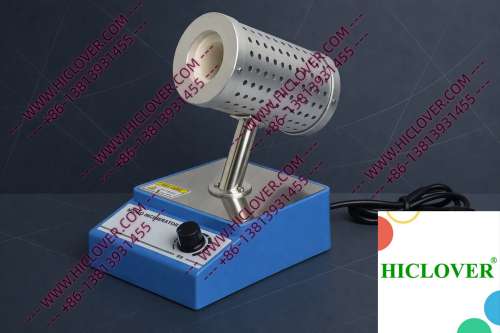
The underlying principle of micro incineration technology lies in the use of infrared heat to achieve rapid thermal sterilization. This technology employs a compact and enclosed ceramic heating chamber designed to transfer heat efficiently and precisely. The infrared rays generated within the unit allow immediate sterilization without the concerning hazards frequently associated with open flames, including the risk of fire hazards and aerosols.
Unlike traditional sterilization methods, the infrared inoculating loop sterilizer reaches temperatures of over 800 °C in just a few seconds, ensuring that all biological contaminants are effectively eliminated. This high-temperature disinfection is especially significant in settings where maintaining a clean environment is critical, such as BSL-2 and BSL-3 microbiology labs.
Applications of Micro Incinerators in Various Laboratory Settings
The Micro Incinerator finds practical applications in multiple laboratory environments. Below are two notable scenarios that highlight its effectiveness.
1. Biosafety Cabinets
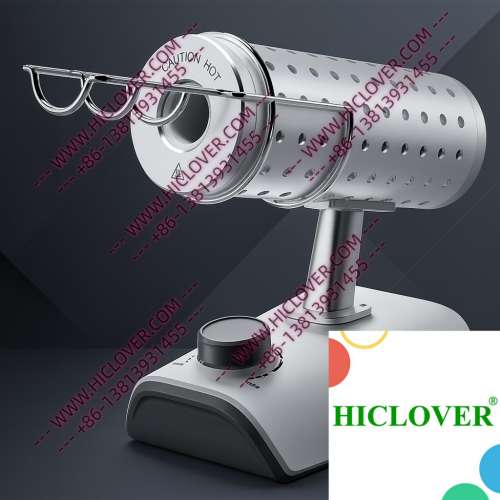
Biosafety cabinets are designed to provide protection for laboratory personnel and the environment. Within these cabinets, the Micro Incinerator serves as an ideal sterilization tool that allows for clean-bench-safe operations. By using an infrared inoculating loop sterilizer, researchers can efficiently sterilize inoculating loops, needles, and other small instruments without the smoke and residue often generated by alcohol burners.
- Reduced contamination: The aerosol-free handling minimizes the risk of airborne contaminants.
- Time efficiency: Quick heating times facilitate faster workflows, allowing researchers to focus on their primary tasks.
2. University Teaching Labs
In educational institutions, teaching labs often require reliable sterilization methods for instructional purposes. The Micro Incinerator provides a safe and effective way to demonstrate sterile techniques while teaching students the importance of contamination control. Unlike alcohol lamps, which can be dangerous for inexperienced students, the infrared sterilizer significantly reduces the learning curve associated with sterilization techniques, enabling hands-on training without compromising safety.
- Students can observe the immediate elimination of contaminants.
- The risks associated with flames and hot alcohol are alleviated.
- The sterilizer offers a more consistent learning experience across diverse educational settings.
Compliance and Environmental Considerations
In laboratory settings, adherence to biosafety standards is essential. Organizations such as the World Health Organization (WHO) and various national laboratory protocols emphasize the importance of implementing effective sterilization practices. The Micro Incinerator complies with these rigorous standards, offering a viable alternative to traditional flame sterilizers in clean rooms where open flames are prohibited.
Furthermore, the transition from flame-based sterilization methods to infrared micro incineration aligns with environmental objectives by reducing emissions associated with combustion. The use of energy-efficient technology means less waste and a decrease in the institution’s carbon footprint, contributing positively to global sustainability efforts.
| Feature | Micro Incinerator | Traditional Flame Burners |
|---|---|---|
| Temperature Control | Fast and precise control with infrared | Variable and less controllable |
| Safety | No open flames, minimal risk of fire | Open flames pose fire hazards |
| Contamination Control | Aerosol-free handling | Aerosol production during operation |
| Energy Efficiency | Rapid heating reduces energy consumption | Longer heating times increase energy usage |
| Maintenance | Low maintenance with no fuel requirements | Requires regular fuel refills and maintenance |
FAQs about Micro Incinerator Technology
1. How does the Micro Incinerator differ from a traditional flame sterilizer?
The Micro Incinerator uses infrared heat for rapid and direct sterilization, while traditional flame sterilizers rely on combustion that may pose additional safety risks and produce aerosols.
2. Is the Micro Incinerator suitable for BSL-3 labs?
Yes, the Micro Incinerator is compatible with BSL-3 laboratory settings, providing a safe and efficient sterilization method while meeting compliance standards.
3. Can I use the Micro Incinerator in a clean room environment?
Absolutely! The Micro Incinerator is designed for use in clean rooms, as it does not produce open flames or generate aerosols, adhering to strict biosafety protocols.
4. What are the energy benefits of using a Micro Incinerator?
The Micro Incinerator heats up quickly and efficiently, reducing overall energy consumption compared to traditional flame sterilizers, thus offering both cost and environmental savings.
5. How can I incorporate a Micro Incinerator into my laboratory workflow?
Incorporating a Micro Incinerator is straightforward; it can be positioned within biosafety cabinets or teaching labs as a primary sterilization tool for inoculating loops and other small instruments.
Conclusion
As laboratory safety and efficiency continue to be essential priorities, the transition to modern sterilization technologies, like the Micro Incinerator, provides a significant advantage. By offering rapid thermal sterilization without the hazards associated with traditional flame methods, it stands out as an optimal choice for laboratory settings. Whether in BSL-2 microbiology labs, university teaching spaces, or other research environments, investing in micro incineration technology is a step toward safer, more compliant, and environmentally friendly practices. For inquiries, pricing, or additional information, please contact us today. Transform your lab’s sterilization process from trash to treasure!
Categories:
Tags: