
In the rapidly evolving field of laboratory biosafety, the swift and effective sterilization of microbiological tools is paramount. Laboratory professionals are continually confronted with stringent sterilization workflow demands, particularly in high-stakes environments such as BSL-2 and BSL-3 microbiology labs. Traditional flame sterilizers, such as alcohol lamps and Bunsen burners, while common, often come with significant safety and operational drawbacks. It’s crucial to explore alternative solutions that balance efficiency, safety, and environmental impact, specifically the Micro Incinerator / Infrared Inoculating Loop Sterilizer.
Understanding the Micro Incinerator
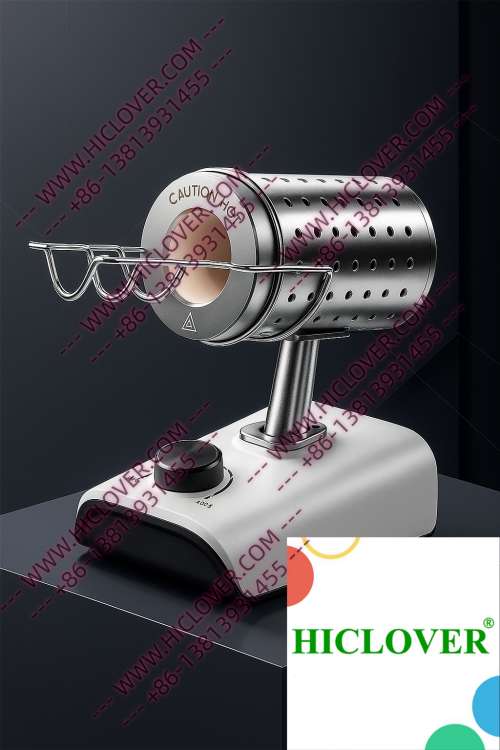
The Micro Incinerator represents a leap forward in rapid thermal sterilization technology, relying on infrared heat rather than a traditional flame. This advanced device consists of an enclosed ceramic heating chamber that delivers high-temperature disinfection while minimizing aerosol production. Unlike fuel-based sterilizers, the infrared design ensures clean-bench-safe operations, making it ideal for strict laboratory environments and cleanrooms.
Technical Principle of Operation
The core technology behind the Micro Incinerator revolves around the principles of thermal conduction and radiation. The ceramic heating tube quickly reaches temperature peaks, efficiently transferring heat to inoculating loops and other instruments for effective sterilization. This unique approach allows users to achieve consistent results, drastically reducing the risk of contamination that can arise from open flames.
Applications in Real Labs
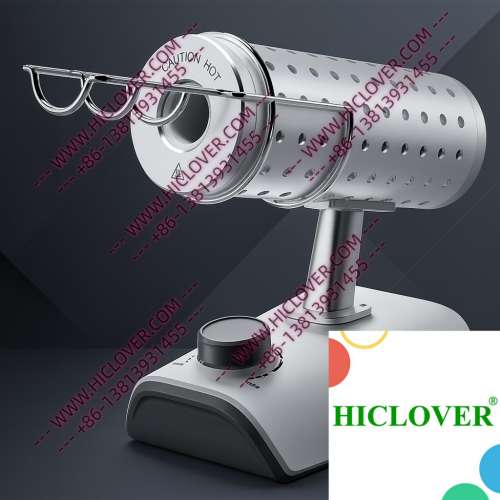
- Field Testing Labs: When used in mobile or field testing labs, the Micro Incinerator’s portability enables immediate sterilization of tools, essential for environments lacking conventional infrastructure.
- Clinical Diagnostics: In clinical settings, adhering to biosafety protocols is crucial. The use of this device allows for quick sterilization between sample analyses, ensuring the integrity of diagnostic results.
Compliance with Biosafety Standards
Stringent compliance with biosafety standards set by WHO and other regulatory bodies is non-negotiable in laboratory operations. The Micro Incinerator aligns impeccably with these requirements, especially in scenarios where flames are prohibited. Traditional flame sterilizers not only pose risks of open flames in clean areas but are less dependable in terms of consistent disinfection. The Micro Incinerator eliminates these concerns, supporting laboratories in maintaining high levels of sterilization efficiency.
Advantages of Micro Incinerators Over Traditional Flame Sterilizers
| Feature | Micro Incinerator | Flame Sterilizer |
|---|---|---|
| Heat Source | Infrared | Combustion |
| Safety | Clean-bench-safe | Risk of fire |
| Aerosol Production | Minimal | Possible |
| Speed of Sterilization | Fast | Slower |
| Environmental Impact | Low emissions | Higher carbon footprint |
Scenario-Based Effectiveness
Every laboratory has a unique set of challenges. University teaching labs require reliable sterilization workflows as students alternate in using shared equipment. The Micro Incinerator serves as an efficient tool, allowing students to practice their techniques with reduced risk of cross-contamination.
In the context of clinical diagnostics, quick and effective sterilization is imperative. The infrared inoculating loop sterilizer’s rapid response time—often within seconds—ensures that clinical professionals can maintain workflow patterns without compromising biosafety standards.
Frequently Asked Questions
- What is the primary advantage of using a Micro Incinerator in labs? The primary advantage is its ability to provide safe, rapid, and effective sterilization without the risks associated with open flames.
- Can the Micro Incinerator be used in cleanroom environments? Yes, it is specifically designed to operate in cleanrooms due to its clean-bench-safe features.
- How quickly does a Micro Incinerator achieve sterilization? The Micro Incinerator can attain peak sterilization temperatures within seconds, significantly reducing downtime between uses.
- What specific labs benefit most from this technology? BSL-2 and BSL-3 microbiology labs, clinical diagnostics and university teaching labs are key beneficiaries.
- Is training required to use a Micro Incinerator? While it is straightforward to operate, appropriate lab training is recommended to ensure optimal usage and adherence to safety protocols.
Conclusion
Switching from traditional flame sterilizers to modern technologies like the Micro Incinerator not only aligns with environmental sustainability goals but enhances safety and efficiency in laboratory settings. As laboratories in Israel and around the world strive to comply with rigorous biosafety norms, investing in a Micro Incinerator becomes a vital decision. If you’re interested in upgrading your sterilization equipment or need more information, please feel free to reach out to us!
Categories:
Tags: