
In the ever-evolving landscape of modern laboratories, the demand for effective biosafety measures and sterilization workflows has intensified. Laboratories, whether they cater to clinical diagnostics or academic research, grapple with the urgent need for reliable sterilization techniques to maintain a contamination-free environment. A rising star in this realm is the Micro Incinerator, specifically the Infrared Inoculating Loop Sterilizer, which offers an innovative solution to these pressing challenges.
Challenges in Laboratory Biosafety and Sterilization Workflows
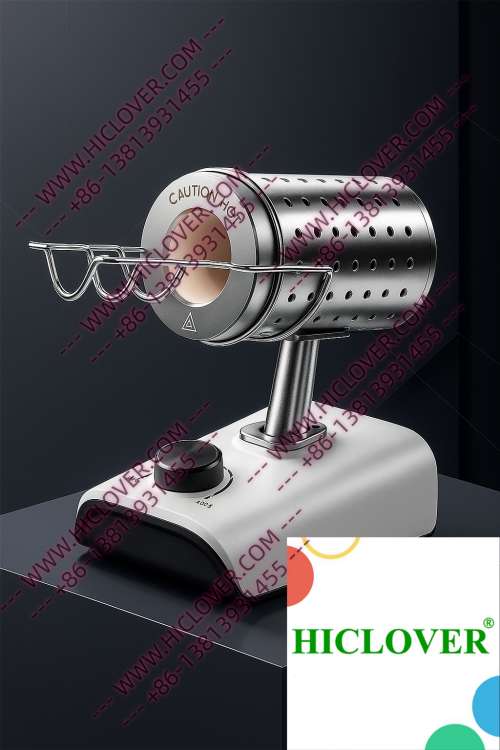
Laboratories face significant challenges in maintaining biosafety. Traditional sterilization methods, including flame-based systems like Bunsen burners and alcohol lamps, pose risks. These methods can create aerosolized contaminants, jeopardizing the cleanroom or biosafety cabinet environment. Furthermore, flame sterilizers are less efficient, often requiring additional time to achieve desired sterilization temperatures and putting the lab personnel at risk of fire hazards.
Technical Principles of Infrared Heat Sterilization
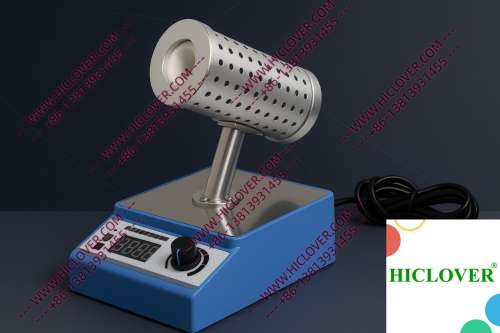
The Micro Incinerator leverages infrared heat technology within an enclosed ceramic tube, providing rapid thermal sterilization without the use of open flames. Here’s a closer look at the technical specifications:
- Rapid Heating: The infrared technology reaches sterilization temperatures of up to 850°C within seconds.
- Enclosed Design: The enclosed ceramic heating chamber ensures a clean environment, preventing the release of harmful aerosols.
- Energy Efficiency: The system consumes less energy compared to traditional flame sterilizers.
- Portability: Lightweight and compact, making it ideal for use in various laboratory settings.
- No Flame Requirement: Safe for clean-room environments and ideal for sensitive operations.
- Efficient Sterilization: Meets regulatory needs for rapid thermal sterilization.
- Minimized Aerosols: Control and reduction of airborne contaminants.
Application Scenarios in Real Labs
The versatility of the Micro Incinerator makes it a valuable asset across different laboratory settings:
1. In BSL-2 and BSL-3 Laboratories
In biosafety level (BSL) 2 and 3 labs, where researchers handle potentially hazardous pathogens, the need for precise and sterile handling of inoculating loops is critical. The Micro Incinerator provides a flame-free solution that minimizes the risk of ignition, thereby enhancing laboratory safety. Its rapid sterilization capabilities streamline workflows, enabling researchers to focus more on their experimental tasks rather than sterilization processes.
2. In University Teaching Labs
University labs frequently train students in microbiology and material science. Incorporating the Micro Incinerator in teaching labs not only ensures compliance with biosafety standards but also enhances educational experiences. Students can observe the immediate effects of sterilization without the drawbacks of traditional methods—ensuring both safety and efficiency while learning crucial lab skills.
Biosafety and Compliance Standards
Adhering to global health and safety guidelines is essential in laboratory settings. The World Health Organization (WHO) emphasizes the importance of maintaining high biosafety standards to prevent contamination and enhance laboratory efficacy. Compliance with sterilization standards is critical for labs, particularly when dealing with infectious materials. The Infrared Inoculating Loop Sterilizer aligns with these standards by providing:
Why Choose Micro Incinerators Over Traditional Flame Sterilizers?
The advantages of Micro Incinerators over traditional flame sterilizers are pronounced:
| Feature | Micro Incinerator | Flame Sterilizers |
|---|---|---|
| Time to Sterilization | Seconds | Minutes |
| Energy Consumption | Lower | Higher |
| Aerosol Generation | Minimal | High |
| Simplified Use | Yes | No |
| Safety | High (no flame) | Moderate (flammable liquids) |
Frequently Asked Questions
What is a Micro Incinerator and how does it work?
A Micro Incinerator is a laboratory sterilization device that uses infrared heat to rapidly sterilize inoculating loops and other lab instruments. It operates within an enclosed ceramic tube to minimize contamination and promote safety.
Is a Micro Incinerator safer than traditional flame sterilizers?
Yes, it is significantly safer as it eliminates the flame risk inherent to traditional methods, creating a safer workspace particularly in biosafety cabinet setups.
Can Micro Incinerators be used in field testing?
Absolutely! Their portability and light weight make them ideal for on-site laboratory applications, including field testing under mobile conditions.
What are the compliance benefits of using a Micro Incinerator in labs?
The Micro Incinerator complies with WHO biosafety standards, as it controls sterilization processes better and mitigates aerosol risks compared to flame-based systems.
Where can I purchase a Micro Incinerator?
You can contact distributors or laboratory supply stores in Turkey or globally. Consider specialized suppliers focusing on laboratory safety equipment for tailored options and support.
Conclusion
In conclusion, the Micro Incinerator is not just a tool but an enabler of improved laboratory safety practices and efficiency within Turkey’s circular economy. By transitioning from traditional flame-based systems to this innovative sterilization technology, laboratories can enhance workflow, ensure compliance, and contribute to more sustainable laboratory environments. If you are interested in acquiring this vital piece of equipment, do not hesitate to reach out to trusted suppliers for quotes and consultations!
Categories:
Tags: