
Laboratories face increasingly stringent biosafety challenges and workflow demands. The need for rapid thermal sterilization methods has never been more crucial, especially in a world where contamination can compromise research outcomes and patient safety. Melbourne’s laboratories are now turning to innovative solutions like Micro Incinerators, particularly the Infrared Inoculating Loop Sterilizer, to meet these growing demands effectively.
Understanding the Micro Incinerator Technology
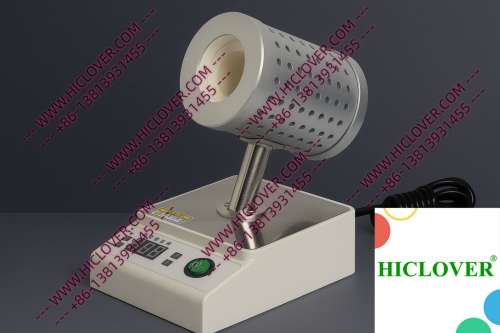
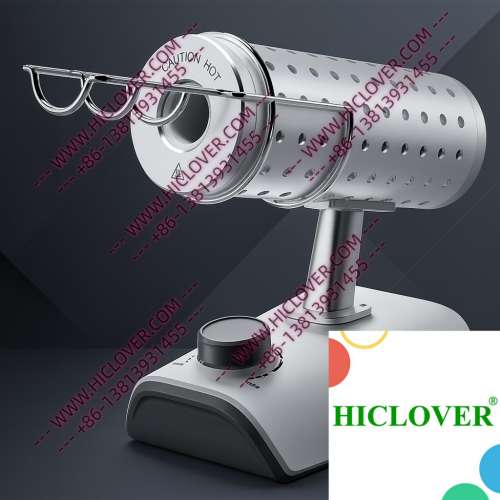
The Micro Incinerator operates on the principle of infrared heat generated within an enclosed ceramic tube. This technology offers high-temperature disinfection while avoiding the hazards associated with traditional flame sterilizers, such as alcohol lamps and Bunsen burners. The enclosed design ensures that the heat is contained, providing targeted sterilization without the risks of open flames and carbon contamination.
Micro Incinerators are compact, making them suitable for tight laboratory spaces, and they deliver efficient and effective sterilization for inoculating loops and similar tools. The infrared heating technology allows for rapid sterilization—often in a matter of seconds—helping maintain a clean work environment necessary in fields such as microbiology, clinical diagnostics, and educational training labs.
Application Scenarios in Real Labs
1. Biosafety Cabinets
Biosafety cabinets are designed to protect both the user and the environment from biohazardous materials. The use of a Micro Incinerator within a BSL-2 or BSL-3 laboratory environment not only enhances contamination control but also ensures compliance with the stringent WHO biosafety standards. In a recent study conducted in a Melbourne lab, researchers reported a significant decrease in contamination rates after switching from traditional flame sterilizers to infrared sterilizers. This transition has led to a more sterile and safe working environment, crucial in high-stakes microbiological research.
2. Mobile Field Testing Labs
Field testing labs face unique challenges, particularly concerning mobility and the need for safe, reliable sterilization. Using a Micro Incinerator allows field teams to effectively manage biological samples without the need for heavy or complex equipment. In Melbourne’s recent environmental studies, teams have employed these devices for sterilizing tools and inoculating loops on-site, enabling them to maintain compliance with sterilization standards even in remote locations.
Compliance and Environmental Considerations
Ensuring compliance with laboratory sterilization standards is critical. With the WHO biosafety guidelines outlining the importance of using effective sterilization methods, laboratories in Melbourne and beyond are reassessing their sterilization equipment. Open flames are particularly restricted in clean rooms due to risks of contamination and fire hazards. Micro Incinerators provide an ideal solution, offering safe, alcohol-free operation without the smoke, heat, and soot associated with traditional methods.
Moreover, the use of a Micro Incinerator aligns with sustainability goals by minimizing a laboratory’s carbon footprint. By converting waste into ash, labs can significantly reduce the volume of biohazardous waste they generate, ultimately supporting a greener laboratory environment.
Advantages of Micro Incinerators Over Traditional Flame Sterilizers
The advantages of Micro Incinerators are numerous when compared to traditional flame sterilizers:
- Rapid Sterilization: Inoculating loops can be sterilized in seconds, enhancing workflow efficiency.
- Non-Flame Operation: Ideal for clean environments, eliminating the risk of igniting flammable materials.
- Low Environmental Impact: Reduces waste volume, supporting sustainability in lab operations.
- Compact Design: Space-efficient and easy to deploy in various laboratory settings.
FAQs About Micro Incinerators
What is a Micro Incinerator used for?
A Micro Incinerator is primarily used for sterilizing inoculating loops and other lab tools quickly and effectively, minimizing the risk of contamination.
How does infrared sterilization compare to flame sterilization?
Infrared sterilization is safer, faster, and creates a more controlled environment, thus preventing the risks associated with open flames, like contamination and fire hazards.
Are Micro Incinerators compliant with laboratory safety standards?
Yes, Micro Incinerators are designed to meet or exceed WHO biosafety standards, making them suitable for use in critical laboratory settings.
Can Micro Incinerators be used in field testing labs?
Absolutely! Their compact design and efficient sterilization capabilities make them ideal for mobile and field testing applications.
What are the key benefits of using a Micro Incinerator in teaching labs?
Micro Incinerators enhance the learning experience by providing a safe, efficient, and sustainable sterilization method for students conducting experiments in biology and microbiology.
Conclusion
As the landscape of laboratory safety and efficiency continues to evolve, Micro Incinerators offer Melbourne’s labs a cutting-edge solution to their biosafety challenges. From enhancing workflow to ensuring compliance with sterilization standards, these devices are paving the way for safer, more effective laboratory practices. If you’re interested in upgrading your laboratory sterilization equipment, we invite you to contact us to learn more or to explore purchasing options.
Categories:
Tags: