
The increasing demand for biosafety in laboratories has led to the need for effective sterilization protocols. Labs in Beijing and beyond face the challenge of ensuring contamination control, especially in environments like BSL-2 (Biosafety Level 2) and BSL-3 labs. With microbiological research and clinical diagnostics ever on the rise, it is crucial to implement reliable laboratory sterilization equipment that can meet workflow demands for safety and efficiency. Among the leading innovations is the Micro Incinerator, particularly well-suited for various applications across scientific disciplines.
Understanding the Micro Incinerator: Technical Principles
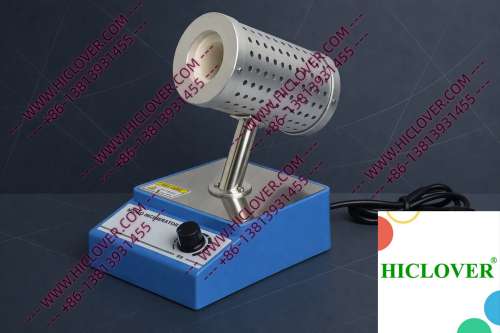
The Micro Incinerator, often referred to as the Infrared Inoculating Loop Sterilizer, utilizes infrared heat to achieve rapid thermal sterilization. This technology is based on an enclosed ceramic heating chamber that emits high-temperature infrared radiation. The design allows for precise temperature control and rapid disinfection of inoculating loops, needles, and other small instruments, making it a favored choice in many labs—including those within Beijing’s bustling research sectors.
- Rapid Thermal Sterilization: Achieves temperatures exceeding 800°C, effectively eliminating microbial contaminants.
- Aerosol-Free Handling: Minimizes the risk of aerosol generation, maintaining a safer working environment.
- Compact Design: Ideal for limited lab spaces such as teaching labs and mobile field testing units.
Application Scenarios in Real Laboratories
Micro Incinerators are exceptionally versatile and cater to various lab environments. Below are notable application scenarios highlighting their utility:
1. BSL-2 and BSL-3 Microbiology Labs
In high-security microbiology labs, especially those engaged in pathogenic research, the risk of contamination is a constant concern. The Micro Incinerator serves as a quick solution for sterilizing instruments without the use of flames, which can be dangerous in biosafety cabinets. The absence of open flames greatly reduces the risk of igniting flammable materials, thus aligning with safe laboratory practices.
2. University Teaching Labs
Educational institutions utilize Micro Incinerators in teaching laboratories, where students perform hands-on microbiological experiments. The device allows for immediate sterilization between uses, promoting a clean and safe learning environment while reinforcing good lab practices among future scientists. The ease of use and rapid response time empowers instructors to focus on teaching rather than on prolonged sterile techniques.
Compliance and Environmental Considerations
Adhering to strict safety standards is paramount in laboratory settings. The WHO has delineated guidelines for laboratory biosafety, emphasizing the importance of sterilization practices to prevent microbial spread. The Micro Incinerator aligns with these guidelines through its efficient and flame-free operation, suitable for clean rooms and laboratories requiring contamination control. Following laboratory sterilization standards not only ensures compliance but also solidifies a lab’s reputation for maintaining high safety levels.
Furthermore, unlike traditional methods such as alcohol lamps or Bunsen burners, the Micro Incinerator produces no hazardous emissions, aligning with environmental concerns regarding laboratory waste management. This makes it a more sustainable choice in modern laboratories seeking to minimize their ecological footprint.
Micro Incinerator vs. Traditional Flame Sterilizers
The transition from flame-based sterilization methods to Micro Incinerators revolutionizes lab safety and efficiency.
| Feature | Micro Incinerator | Flame Sterilizers |
|---|---|---|
| Temperature Control | Precise and rapid | Difficult to regulate |
| Aerosol Generation | Minimal | High |
| Safety in Clean Rooms | Suitable | Not suitable |
| Time Efficiency | Instant | Requires time for flame stabilization |
FAQs about Micro Incinerators
- What makes the Micro Incinerator safer than traditional sterilization methods?
The Micro Incinerator eliminates the use of open flames, decreasing the risk of fire hazards and aerosol generation, ensuring a safer laboratory environment. - Where can I use a Micro Incinerator aside from traditional labs?
Applications include biosafety cabinets, field testing labs, and university teaching environments where immediate sterilization of small tools is required. - How does the infrared technology provide efficiency in sterilization?
Infrared technology allows the Micro Incinerator to reach high temperatures quickly, achieving effective sterilization within seconds, thus saving time in busy laboratories. - Is it compliant with WHO guidelines?
Yes, the Micro Incinerator meets WHO biosafety standards as a clean and effective method for contaminant elimination. - Can Micro Incinerators help reduce waste?
Absolutely, by providing a clean and efficient means of sterilization without the need for consumables like alcohol and matches, overall waste generation is minimized.
Conclusion
In the evolving landscape of laboratory safety and sterilization, the Micro Incinerator stands out as a significant advancement. By converting waste to ash through state-of-the-art technology, it enhances not only the workflow but also compliance with stringent biosafety regulations. For laboratories in Beijing and beyond, investing in a Micro Incinerator is a step towards achieving unparalleled operational efficiency and safety. Explore the options available and elevate your laboratory standards today.
Categories:
Tags: