
In the realm of laboratory practices, achieving high standards of biosafety is non-negotiable. With increasing research activities exposing laboratories to various pathogens and the ever-present risk of contamination, sterilization workflows have become critical. Traditional methods like alcohol lamps and Bunsen burners, while historically used for sterilizing inoculating loops, come with their own set of challenges — including the risk of fires, contamination through open flames, and inefficiencies in rapid thermal sterilization. The introduction of Micro Incinerators and Infrared Inoculating Loop Sterilizers has transformed laboratory practices, advancing the efficiency, safety, and effectiveness of sterilization protocols.
Understanding Micro Incinerators
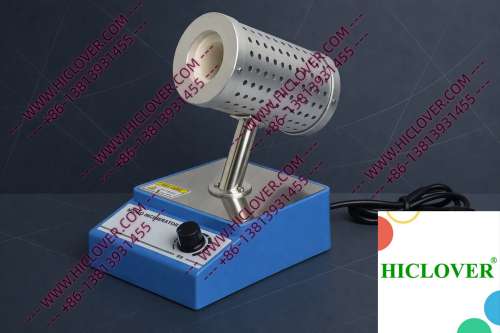
Micro Incinerators utilize advanced technology that integrates infrared heat within an enclosed ceramic tube. This setup delivers high-temperature thermal disinfection, ensuring rapid sterilization while minimizing the risk of aerosol contamination. The infrared heat generated by these devices ensures a consistent temperature, enhancing the sterilization process by rapidly incinerating contaminants, bacteria, and other pathogens present on biological tools.
Technical Principles of Operation
The core technology behind Micro Incinerators revolves around the infrared heating element positioned within a ceramic chamber. This configuration allows for:
- High-temperature control: Achieving sterilization temperatures of up to 850°C within seconds.
- Enclosed system: Reducing the risk of open flames, safeguarding against burns and fire hazards in cleanroom environments.
- Aerosol-free handling: Promoting safe work practices by eliminating the release of contaminants into the environment.
- No open flames ensure compliance in clean rooms and minimize the risk of fires.
- Steady temperature outputs align with lab sterilization standards, facilitating efficient waste management.
Real-Life Applications of Micro Incinerators
Micro Incinerators prove invaluable across various laboratory environments, particularly in biosafety stations and educational settings. Below are two significant application scenarios:
Biosafety Cabinet Operations
In BSL-2 and BSL-3 microbiology labs, where handling pathogens requires stringent safety measures, Micro Incinerators serve as indispensable tools for sterilizing inoculating loops and other instruments. Inside the controlled environment of a biosafety cabinet, researchers can instantly sterilize tools without introducing open flames, thus maintaining the integrity of the sterile space and eliminating cross-contamination risks.
Teaching Laboratories
In university teaching labs, where students frequently engage with biological materials, the Micro Incinerator ensures that learning remains safe and adheres to hygiene best practices. Students can quickly sterilize their loops and slides, minimizing time wastage and allowing more focus on experimental procedures. The high temperatures achieved within the device further ensure that their learning environment remains free of contamination.
Compliance and Environmental Considerations
As laboratories must comply with strict regulations set forth by organizations such as the World Health Organization (WHO) and other local health authorities, the adoption of Micro Incinerators aligns seamlessly with these standards. For instance:
Furthermore, many regions, including urban centers like New York City and London, require laboratories to implement environmentally responsible practices. Micro Incinerators produce ash rather than physical waste, optimizing waste disposal processes.
Comparative Overview: Micro Incinerators vs. Traditional Flame Sterilizers
| Feature | Micro Incinerator | Flame Sterilizers |
|---|---|---|
| Temperature Control | Consistent, rapid high-temperature sterilization | Variable temperatures, potential for ineffective sterilization |
| Aerosol Generation | None | Potentially high |
| Risk of Fire | Minimal | High |
| Waste Produced | Minimal ash | Leftover materials and consumables |
Frequently Asked Questions
1. What is a Micro Incinerator and how does it function?
A Micro Incinerator is a laboratory sterilization device that utilizes infrared heating technology to swiftly and effectively sterilize tools like inoculating loops by incinerating contaminants at high temperatures.
2. Are Micro Incinerators suitable for field testing?
Yes, Micro Incinerators are compact and portable, making them ideal for field testing in remote locations where traditional flame sterilizers may pose a risk.
3. How do Micro Incinerators ensure safety in sterilization?
Micro Incinerators eliminate the risk of open flames, reducing fire hazards and aerosol generation, which safeguards users and the environment, particularly in sensitive areas like cleanrooms.
4. Can Micro Incinerators be used in BSL-3 labs?
Absolutely, they are designed to meet stringent biosafety standards, making them suitable for use in BSL-2 and BSL-3 labs.
5. How does the use of a Micro Incinerator affect laboratory workflows?
The efficiency of Micro Incinerators streamlines sterilization processes, reduces downtime, and enhances overall laboratory productivity by allowing rapid and reliable sterilization.
Conclusion
Transitioning from traditional open flame sterilizers to advanced Micro Incinerators not only enhances laboratory safety but also aligns with modern biosafety and sterilization standards. By investing in a Micro Incinerator or Infrared Inoculating Loop Sterilizer, you can significantly improve sterilization workflows and ensure a safer and more efficient laboratory environment. For more information on how you can upgrade your lab with state-of-the-art sterilization equipment, feel free to contact us today!
Categories:
Tags: