
The demand for safe and effective sterilization solutions in laboratories has never been more pressing. As biosafety challenges increase, laboratory professionals face the crucial task of maintaining a sterile environment to prevent contamination and ensure reliable results. This article delves into the concept of odor-free micro incineration, focusing on its application as a game-changing solution for sterilization in various laboratory settings.
Addressing Laboratory Biosafety Challenges
Biosafety is paramount in any laboratory, especially those operating at BSL-2 and BSL-3 levels. Traditional sterilization methods, such as alcohol lamps and Bunsen burners, although common, come with significant downsides. These methods can produce harmful fumes, introduce flame risks, and generate aerosolized contaminants, which compromise the safety of personnel and the integrity of sterile environments.
Technical Principles of Micro Incinerators
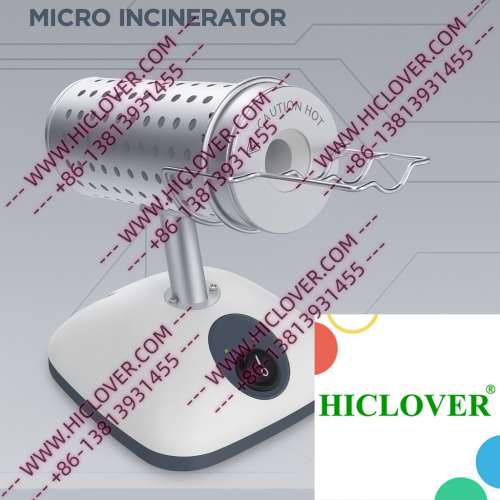
The Micro Incinerator, also known as the Infrared Inoculating Loop Sterilizer, stands out due to its innovative design and technology. Utilizing infrared heat, this sterilizer employs a high-temperature ceramic heating chamber that provides rapid thermal sterilization. The enclosed ceramic tube, which reaches temperatures exceeding 800°C, ensures complete disinfection of inoculating loops, needles, and other lab tools within seconds.
The key features of the Micro Incinerator include:
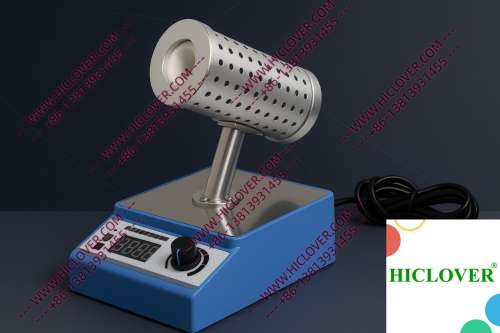
- Infrared Technology: Provides direct and uniform heating, eliminating cold spots.
- Compact Design: Space-efficient, suitable for busy laboratory workspaces.
- Odor-Free Operation: No burning materials, producing clean ash instead of foul odors.
- Easily Portable: Suitable for field testing and mobile lab setups.
Real-World Applications of Micro Incinerators
Micro Incinerators have proven their effectiveness across various laboratory scenarios, showcasing their versatility and convenience:
1. Biosafety Cabinet Usage
In BSL-2 microbiology labs, where contamination risks are elevated, Micro Incinerators can be seamlessly integrated into biosafety cabinets. Researchers can utilize these sterilizers without the risk of flames, ensuring a safe environment for handling sensitive samples. This setup minimizes the risk of exposing both the operator and the samples to potentially harmful elements.
2. Teaching Labs
In educational settings, the Micro Incinerator provides a reliable and safe method for teaching sterilization techniques. Students learn about effective contamination control by using infrared sterilizers rather than hazardous flame-based methods, which are often prone to mishaps. This empowering technology also fosters an environment where safety and efficiency coexist.
Compliance and Environment Considerations
Adhering to international biosafety standards is crucial for laboratory operations. The World Health Organization (WHO) provides comprehensive guidelines for laboratory safety, emphasizing the importance of sterilization equipment in controlling microbial risks. With the implementation of Micro Incinerators, laboratories can maintain compliance with these standards while ensuring a sterile workspace.
Notably, these sterilizers are an excellent fit for clean rooms, where the presence of flames is strictly prohibited. The Micro Incinerator’s flame-free operation ensures that labs can effectively sterilize without compromising air quality or introducing pollutants into the environment.
Why Choose Micro Incinerators Over Traditional Flame Sterilizers?
Understanding the advantages of Micro Incinerators compared to traditional flame sterilizers is essential for laboratory decision-makers. The following table summarizes the key differences:
| Feature | Micro Incinerator | Flame Sterilizer |
|---|---|---|
| Odor Emission | Odor-Free | Produces Smoke and Odors |
| Temperature Control | Precise Temperature Management | Variable, Can Cause Damage |
| Sterilization Speed | Rapid (seconds) | Variable (may take longer) |
| Safety | Flame-Free Operation | Fire Risks Involved |
| Portability | Compact and Portable | Bulkier and Less Mobile |
FAQs: Key Considerations for Micro Incinerators
- What makes Micro Incinerators safe for biosafety cabinets? Their compact, flame-free design ensures sterility without the risk of open flames that could compromise safety and lead to contamination.
- Can Micro Incinerators be used in field testing environments? Yes, their portable design and rapid sterilization capabilities make them ideal for mobile laboratories.
- How quickly can the Micro Incinerator sterilize inoculating loops? The sterilization typically takes only seconds, allowing for an efficient workflow.
- What are the key benefits compared to traditional sterilization methods? They are odor-free, quicker, safer, and do not produce aerosols or harmful fumes, making them more suitable for cleanroom environments.
- What compliance guidelines do Micro Incinerators adhere to? They comply with WHO biosafety standards and are suitable for use in cleanrooms where open flames are prohibited.
Conclusion: Ensuring Laboratory Safety with Micro Incinerators
As laboratory sterilization needs evolve, transitioning to modern solutions like the Micro Incinerator / Infrared Inoculating Loop Sterilizer offers a clear path towards enhanced biosafety and operational efficiency. By eliminating odors and flames, these devices not only streamline sterilization workflows but also uphold stringent compliance standards. For laboratories looking to upgrade their sterilization methods, investing in the Micro Incinerator could be the ideal solution. Contact us today to learn more about acquiring this cutting-edge technology for your lab!
Categories:
Tags: