
With increasing pressure on laboratory operations to adhere to stringent biosafety protocols, researchers face unique challenges in contamination control and sterilization workflows. Rapid thermal sterilization methods, such as the Micro Incinerator / Infrared Inoculating Loop Sterilizer, have emerged as revolutionary solutions, particularly within the context of Australian research and clinical environments. This device not only aids in maintaining biosafety but also addresses waste management challenges, converting potential fire hazards into clean energy solutions.
Challenges in Laboratory Biosafety and Sterilization Workflow
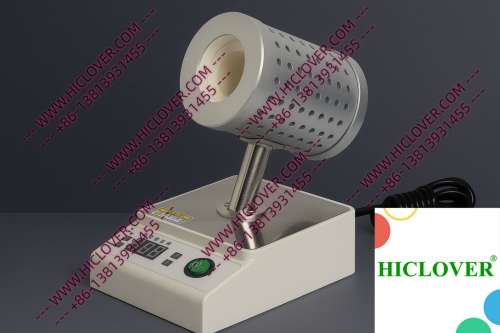
Laboratories handling biological samples, especially in BSL-2 and BSL-3 environments, must prioritize sterilization to mitigate contamination risks. Traditional methods like alcohol lamps and Bunsen burners present safety concerns, such as open flames that can ignite flammable materials and produce hazardous aerosols. Moreover, these methods do not provide the necessary thermal efficiency for rapid sterilization, a critical factor in high-throughput laboratory settings.
Micro Incinerator: Technical Principles and Configuration
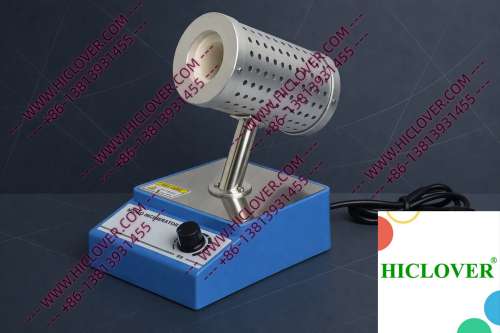
The Micro Incinerator employs advanced infrared heat technology, utilizing a ceramic heating chamber to generate high temperatures quickly and delivering thorough disinfection. Unlike traditional flame sterilizers, the Micro Incinerator provides a closed design that enhances safety and minimizes the risk of fire. The enclosed ceramic tube achieves temperatures well above what is required for effective sterilization, allowing for quick and reliable operation. This design empowers laboratory personnel to maintain a cleaner, aerosol-free environment, essential for sensitive applications.
- Infrared heating: Provides rapid thermal sterilization.
- Enclosed ceramic tube: Enhances safety and effectiveness.
- Aerosol-free handling: Reduces risk of contamination.
- What are the main benefits of using a Micro Incinerator in the lab?
The Micro Incinerator offers rapid sterilization, enhanced safety, aerosol-free handling, and compliance with biosafety standards.
- How does the Micro Incinerator compare to traditional sterilizers?
It surpasses traditional methods in efficiency, safety, and compliance, making it a superior choice for modern labs.
- Is the Micro Incinerator suitable for field testing applications?
Yes, its portable design allows for effective sterilization in field testing scenarios.
- What are the operational considerations for using a Micro Incinerator?
Operators should be trained on the device, maintain proper cleaning protocols, and ensure adherence to manufacturers’ guidelines.
- Can the Micro Incinerator be used for both teaching and research purposes?
Absolutely! It is an excellent teaching tool for safe sterilization practices and an effective device for research laboratories.
Real-World Application Scenarios
Biosafety Cabinets
In a BSL-2 microbiology lab, researchers often work with potentially pathogenic samples. Utilizing the Micro Incinerator within a biosafety cabinet significantly enhances safety protocols. The sterilizer is conveniently positioned near the workspace, allowing for immediate sterilization of inoculating loops and other tools without disturbing the airflow or risking contamination from aerosols.
University Teaching Labs
In academia, the importance of teaching safe laboratory practices cannot be overstated. University teaching labs benefit immensely from using the Micro Incinerator, which helps demonstrate effective sterilization techniques. It allows students to learn about contamination control while using infrared sterilization in an interactive, hands-on manner that is efficient, safe, and compliant with biosafety standards.
Compliance and Environmental Considerations
Meeting global biosafety standards, including those set forth by the World Health Organization (WHO) for laboratory safety, is vital. The Micro Incinerator’s design adheres to essential guidelines, showcasing a commitment to both operator safety and environmental stewardship. Unlike open flames, which are prohibited in clean rooms, the Micro Incinerator facilitates sterilization without introducing combustion-related pollutants into the lab atmosphere, thus supporting greener laboratory operations.
Advantages Over Traditional Flame Sterilizers
When comparing the Micro Incinerator with conventional flame sterilizers, several distinct advantages become evident:
| Feature | Micro Incinerator | Flame Sterilizer |
|---|---|---|
| Safety | Enclosed, no open flame | Open flame, risk of fire |
| Efficiency | Rapid infrared heating | Slower, less controllable |
| Aerosol control | Aerosol-free | Aerosol production possible |
| Compliance | Meets WHO standards | May not meet cleanroom requirements |
FAQs
Conclusion
The transition from waste to energy through processes like micro incineration is pivotal in enhancing laboratory safety and compliance. By investing in advanced sterilization equipment like the Micro Incinerator / Infrared Inoculating Loop Sterilizer, labs in Australia and beyond can ensure high standards of cleanliness while effectively managing waste. For further inquiries or to explore purchasing options, do not hesitate to reach out to our team for assistance tailored to your laboratory needs.
Categories:
Tags: