
In the quest for efficient waste management and sterility within laboratory environments, two significant challenges arise: ensuring proper sterilization workflows and managing biosafety. For laboratories, especially those handling microbiological samples, a reliable sterilization method is crucial. This is where innovative solutions like the Micro Incinerator and Infrared Inoculating Loop Sterilizer emerge as topics of interest. In Malaysia, these devices not only offer laboratory benefits but also contribute to a larger conversation around waste energy solutions in urban settings.
Technical Principles of Micro Incinerators
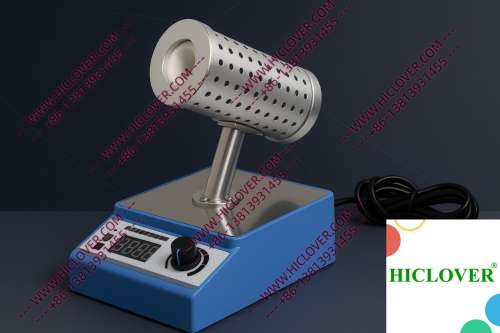
Micro Incinerators utilize the principle of rapid thermal sterilization to eliminate pathogens effectively. These devices typically feature an enclosed ceramic heating chamber that uses infrared heat technology. This design effectively focuses heat on sterilization instruments, such as inoculating loops. The absence of an open flame makes the Micro Incinerator a safer option for laboratory environments, especially those classified as BSL-2 or BSL-3 microbiology labs, where the risk of contamination is significant.
Unlike traditional flame sterilizers, such as alcohol lamps and Bunsen burners, Micro Incinerators provide aerosol-free handling, reducing the risk of airborne contaminants and improving overall lab safety. Their compact design also makes them suitable for space-constrained environments, enabling seamless integration into workflows from field testing to clinical diagnostics.
Application Scenarios in Laboratories
Biosafety Cabinets
In biosafety cabinets, maintaining a sterile environment is paramount. The Micro Incinerator’s enclosed design allows for safe sterilization of instruments without interfering with the cabinet’s airflow. This ensures that the risk of contamination by aerosols is minimized. Researchers can confidently use this equipment for all aspects of their work, from culturing sensitive microorganisms to conducting experiments with potentially hazardous materials.
Field Testing
Mobile or field testing labs often operate under diverse environmental conditions. The portability and ease of use of a Micro Incinerator make it an invaluable asset in these scenarios. Rapid sterilization of equipment helps ensure that field samples are uncontaminated and reliable for research. Furthermore, its lack of flame means it is safe to operate even in environments where flammable materials may be present.
Compliance and Environment: A Crucial Consideration
When it comes to laboratory sterilization standards, compliance is non-negotiable. The World Health Organization (WHO) sets strict biosafety regulations that laboratories, particularly in Malaysia, must adhere to. Micro Incinerators meet these guidelines by providing an effective and safe means of sterilization without the risks associated with traditional flame-based methods.
Furthermore, in the context of Malaysia’s waste management and energy needs, the potential of employing micro incineration extends to reducing municipal waste. As towns face increasing pressure to manage waste sustainably, these incineration solutions can convert harmful materials into manageable ash while producing energy, aligning with national environmental goals.
Advantages of Micro Incinerators
Compared to traditional flame sterilizers, Micro Incinerators present numerous advantages:
- Safer Operation: No open flames, reducing fire hazard.
- Efficient Sterilization: Rapid thermal sterilization effectively kills pathogens.
- No Contamination: Aerosol-free handling minimizes the risk of airborne pathogens.
- Compact Design: Ideal for small laboratory spaces or mobile operations.
Comparison Table: Micro Incinerator vs. Flame Burners
| Feature | Micro Incinerator | Flame Burner |
|---|---|---|
| Safety | No open flame; safer handling | Open flame; potential fire hazards |
| Speed of Sterilization | Rapid thermal sterilization | Variable; dependent on operator skill |
| Contamination Risk | Aerosol-free | Higher due to open flame |
| Portability | Highly portable | Less portable due to gas supply needs |
FAQs about Micro Incinerators
- What is the primary benefit of using a Micro Incinerator in a laboratory setting? The Micro Incinerator provides rapid thermal sterilization without the risk of flames, making it a safer choice for labs.
- Is a Micro Incinerator compliant with WHO sterility guidelines? Yes, it adheres to WHO biosafety standards, ensuring effective sterilization.
- Can Micro Incinerators be used in field testing applications? Absolutely! Their portability and ease of use make them perfect for mobile labs.
- How does it compare to traditional flame sterilizers? It is safer, provides quicker sterilization, and eliminates the risk of contamination through aerosols.
- What types of laboratories can benefit from this technology? Micro Incinerators are ideal for BSL-2/BSL-3 labs, clinical diagnostics, university teaching labs, and more.
Conclusion: A Step Towards Efficient Laboratory Practices
The transition from traditional sterilization methods to advanced technologies like Micro Incinerators can significantly enhance laboratory practices. By improving biosafety measures, ensuring compliance with international standards, and supporting environmental objectives, these devices are setting a new benchmark for laboratory sterilization workflows across Malaysia. For laboratories and institutions looking to integrate innovative sterilization solutions, consider contacting us for a discussion on your specific needs and how our Micro Incinerator / Infrared Inoculating Loop Sterilizer can play a pivotal role in your operations.
Categories:
Tags: