
In the fast-paced environment of modern laboratory operations, the importance of effective sterilization cannot be overstated. Biosafety challenges and sterilization workflow demands are critical factors that labs must address to maintain a high standard of safety and efficiency. With the rise in laboratory activities in urban settings like Shanghai, the need for reliable sterilization techniques is paramount. This brings us to modern solutions such as the Micro Incinerator or Infrared Inoculating Loop Sterilizer, a technology gaining traction for its effectiveness and cleanliness.
Technical Principles of Micro Incinerators
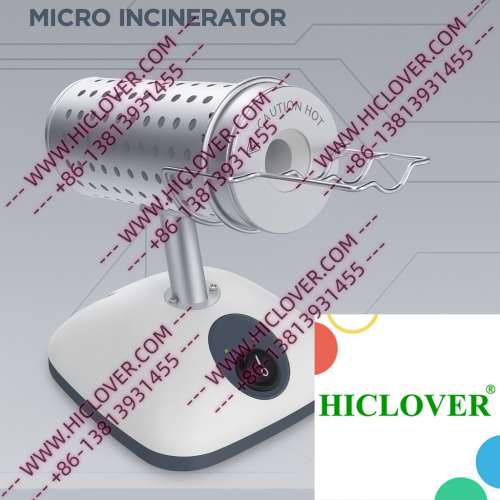
The Micro Incinerator employs an innovative design that utilizes infrared heat as its primary sterilization method. This enclosed ceramic heating chamber ensures that the sterilization process is both efficient and safe. When heated, the ceramic tube rapidly reaches high temperatures sufficient for effective thermal sterilization, allowing for quick disinfection of inoculating loops, needles, and other lab instruments. Unlike traditional flame-based sterilizers, this device operates without open flames, making it an ideal choice for sensitive environments like biosafety cabinets and clean rooms.
Advantages Over Traditional Flame Sterilizers
- Enhanced Safety: The absence of open flames reduces the risk of fire hazards, especially in environments containing flammable materials.
- Contamination Control: With no aerosol production, the Micro Incinerator minimizes the risk of cross-contamination.
- Rapid Thermal Sterilization: The infrared heating system allows for almost instantaneous heating, decreasing waiting time between applications.
- Durability: The robust design and materials ensure longevity and consistent performance under laboratory conditions.
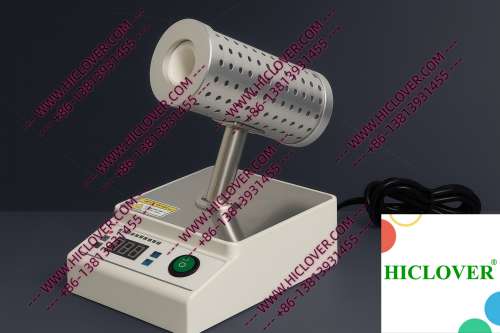
Real-World Applications in Laboratory Settings
Let’s explore a few scenarios where the Micro Incinerator proves invaluable:
Biosafety Cabinet Usage
In BSL-2 and BSL-3 microbiology labs, maintaining strict aseptic conditions is critical. The Micro Incinerator fits neatly in biosafety cabinets, allowing researchers to sterilize instruments quickly without exposing them to potential contaminants. As personnel conduct experiments with hazardous pathogens, the prompt disinfection of tools mitigates contamination risks and ensures a sterile work environment.
Field Testing Scenarios
Mobile laboratories or field testing operations in Shanghai, especially those working with environmental samples or clinical diagnostics, find the Micro Incinerator particularly beneficial. When conducting on-site testing, having a compact, flame-free sterilization method is essential. The ability to achieve high-temperature disinfection without needing additional fuel sources is a significant advantage, especially in remote areas or during emergency response situations.
Compliance with Biosafety and Sterilization Standards
Adhering to biosafety protocols is crucial in laboratory settings, particularly when handling pathogenic microorganisms. The World Health Organization (WHO) emphasizes rigorous sterilization practices to prevent exposure to harmful agents. The Micro Incinerator aligns with these recommendations, providing a compliance-friendly solution for labs that must meet stringent biosafety standards.
Moreover, the elimination of flames makes it a clean-bench-safe option, vital for maintaining sterile conditions in clean rooms where any source of contamination can compromise research outcomes. The sterilization capabilities of the Micro Incinerator comply with international laboratory sterilization standards, making it a reliable choice for various research facilities.
Comparison Table: Micro Incinerator vs. Flame Burners
| Feature | Micro Incinerator | Flame Burners |
|---|---|---|
| Heat Source | Infrared heating | Open flame |
| Contamination Risk | Aerosol-free | Higher risk |
| Operating Safety | No open flames, safer | Risk of ignition |
| Compliance with Clean Room Standards | Meets requirements | Not suitable for clean rooms |
| Speed of Sterilization | Rapid | Slower |
Frequently Asked Questions
What is the main benefit of using a Micro Incinerator over traditional sterilization methods?
The Micro Incinerator offers enhanced safety, rapid sterilization, and decreased contamination risk, making it superior for sensitive applications in modern laboratories.
Can the Micro Incinerator be used in BSL-3 labs?
Yes, it is specifically designed to meet the stringent safety and sterilization requirements of BSL-3 laboratories.
How does the infrared heating mechanism work?
The ceramic heating chamber generates infrared heat that quickly reaches high temperatures, effectively sterilizing tools and instruments in seconds.
Is the Micro Incinerator portable for field use?
Absolutely! Its compact design and fuel-free operation make it a perfect solution for field testing applications where mobility and effectiveness are crucial.
What kind of maintenance does the Micro Incinerator require?
Regular cleaning and checking of the ceramic chamber for wear and tear is recommended to ensure optimal performance and longevity.
Conclusion
As Shanghai continues to grow as a hub for scientific research and innovation, the need for safe and efficient sterilization methods like the Micro Incinerator is evident. With its advanced technology and compliance with international standards, this device not only enhances biosafety but also supports laboratory efficiency. For laboratories looking to upgrade their sterilization practices, investing in a Micro Incinerator represents a wise decision in a rapidly evolving landscape.
To learn more about how the Micro Incinerator can transform your laboratory operations, please contact us today.
Categories:
Tags: