
As countries like Zambia push towards sustainable practices, laboratories are faced with a growing challenge: how to efficiently manage waste while maintaining the highest biosafety standards. Efficient waste management and sterilization workflows are essential for laboratories, especially when handling biological materials. Traditional flame-based sterilization methods, such as alcohol lamps and Bunsen burners, are being scrutinized for their inefficiencies and potential hazards. This is where the Micro Incinerator, particularly the Infrared Inoculating Loop Sterilizer, comes into play.
Technical Principles of Micro Incinerators
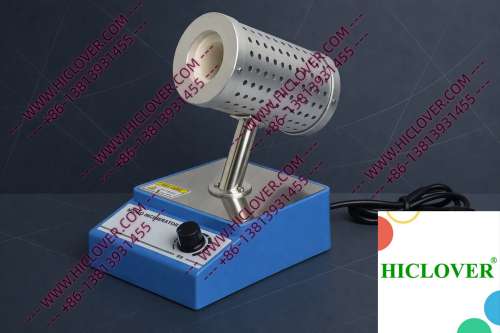
The Micro Incinerator utilizes advanced technology to achieve rapid thermal sterilization. By employing infrared heat, this device can generate high-temperatures up to 800°C within an enclosed ceramic tube. This unique configuration not only allows for effective sterilization of inoculating loops but also minimizes the risk of aerosol emissions often associated with traditional flame sterilizers. The enclosed design makes it particularly advantageous in facilities where contamination control is paramount.
Features of the Micro Incinerator
- Rapid Thermal Sterilization: Achieves sterilization in seconds.
- Clean-bench-safe: Ideal for use in biosafety cabinets and cleanrooms.
- Aerosol-free Handling: Reduces the risk of airborne contamination.
- Energy Efficient: Low energy consumption compared to traditional methods.
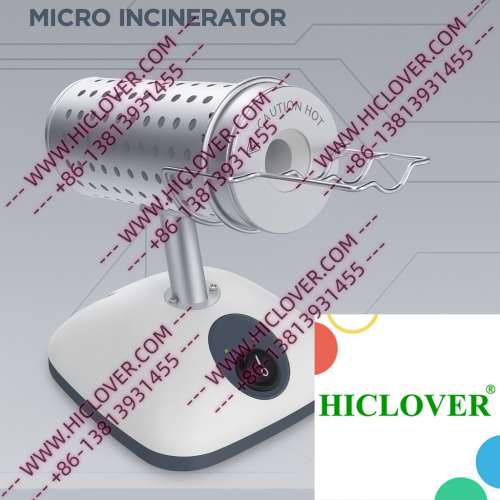
Application Scenarios in Laboratories
The versatility of the Micro Incinerator makes it suitable for various laboratory environments, including:
Biosafety Cabinets
In BSL-2 and BSL-3 microbiology labs, maintaining strict contamination control is essential. Utilizing a Micro Incinerator within these cabinets allows for the swift and effective sterilization of tools without jeopardizing biosafety. Its compact design fits neatly into most cabinet configurations, ensuring a seamless workflow.
Field Testing Laboratories
In mobile or field testing labs, the portability and rapid sterilization capabilities of the Micro Incinerator significantly enhance operational efficiency. For instance, when working with bacterial cultures in remote locations, a researcher can quickly sterilize equipment without needing a stable flame, reducing risk and increasing the speed of experimentation.
Compliance and Environmental Impact
Adhering to laboratory sterilization standards is critical for maintaining safety in any research or clinical laboratory environment. According to WHO biosafety standards, it is essential to use sterilization methods that minimize exposure to pathogens and other hazardous substances.
Using the Micro Incinerator complies with guidelines that emphasize non-flame sterilization in clean rooms. Unlike traditional flame burners that can introduce uncontrolled variables into an environment, the Micro Incinerator offers a clean, consistent, and safe way to manage laboratory waste and sterilize instruments.
Advantages Over Traditional Sterilization Methods
| Micro Incinerator | Flame Burners | |
|---|---|---|
| Sterilization Speed | Seconds | Minutes |
| Aerosol Production | No | Yes |
| Energy Efficiency | High | Moderate |
| Portability | Yes | No |
FAQs about Micro Incinerators
1. What is a Micro Incinerator?
A Micro Incinerator is a laboratory device that uses infrared heat to sterilize inoculating loops and other instruments quickly and efficiently.
2. How does a Micro Incinerator work?
It utilizes an enclosed ceramic tube that generates high temperatures, allowing for rapid thermal sterilization without the use of flames.
3. Where can the Micro Incinerator be used?
It is suitable for various environments such as biosafety cabinets, field testing labs, and teaching laboratories at universities.
4. Why is it preferable to traditional flame burners?
Micro Incinerators offer faster sterilization, reduced risk of aerosol contamination, and improved energy efficiency compared to traditional methods.
5. Is the Micro Incinerator compliant with biosafety standards?
Yes, it meets WHO biosafety standards and is specifically designed to work safely in cleanrooms and sensitive laboratory environments.
Conclusion
As Zambia and the global community strive towards a more sustainable future, incorporating advanced solutions like the Micro Incinerator plays a crucial role in the transition. By enhancing laboratory safety standards while ensuring effective waste management, this technology not only promotes environmental sustainability but also supports the growth of research and healthcare sectors. If you’re ready to upgrade your laboratory sterilization equipment, consider the Micro Incinerator—your solution for a cleaner, safer, and more efficient laboratory environment.
Categories:
Tags: