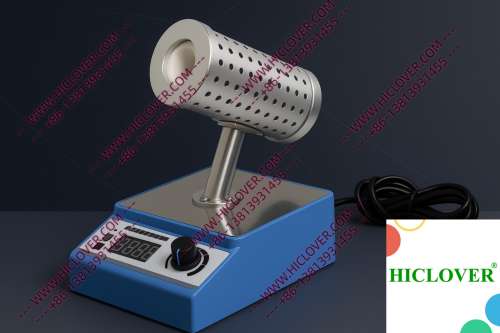
In contemporary laboratories, stringent biosafety measures and effective sterilization workflows play a crucial role in ensuring both environmental and laboratory safety. Researchers and educators face numerous challenges in managing microbial contamination, especially in lab settings that require high biosafety standards such as BSL-2 and BSL-3 laboratories. One innovative solution that Austria has recently adopted, especially within its research and educational institutions, is the use of micro incineration coupled with advanced sterilization technologies such as the Micro Incinerator or Infrared Inoculating Loop Sterilizer. This article delves into how these devices are revolutionizing sterilization techniques in labs across Austria.
Understanding Micro Incineration and Infrared Sterilization
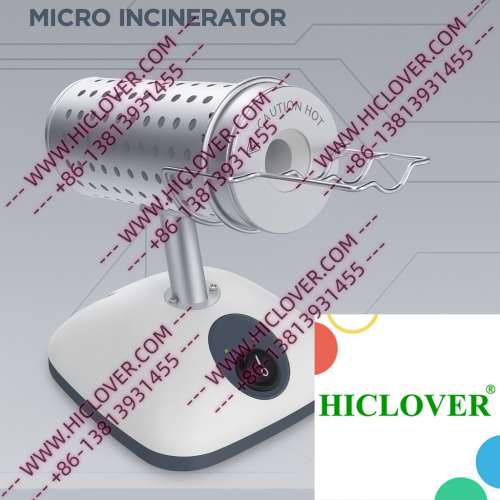
Micro incineration utilizes advanced technology to convert biohazardous waste into energy while sterilizing equipment effectively. The key principle behind this process is the use of enclosed ceramic tubes that concentrate infrared heat, enabling rapid thermal sterilization without producing harmful byproducts. Unlike traditional methods, such as alcohol lamps and Bunsen burners, the Micro Incinerator provides a clean-bench-safe environment for handling samples, mitigating the risk of aerosol formation and enhancing overall safety.
Micro Incinerators are equipped with a ceramic heating chamber that achieves high temperatures rapidly, ensuring that the sterilization process is both thorough and efficient. The infrared inoculating loop sterilizer provides an even distribution of heat, thereby eliminating contamination in a matter of seconds. This streamlined process makes it an ideal solution for various laboratory settings, including clinical diagnostics and teaching laboratories.
Applications of Micro Incineration in Laboratories
In the context of biosafety and contamination control, Micro Incinerators serve diverse applications in laboratories. Here are a few scenarios illustrating their practical uses:
- Biosafety Cabinets: Within BSL-2 laboratories, researchers can utilize Micro Incinerators to sterilize inoculating loops and other small tools directly inside the biosafety cabinet. Unlike traditional flame sterilizers, the Infrared Inoculating Loop Sterilizer is safe for use in these sensitive environments, providing a contamination-free process.
- Field Testing Labs: In mobile lab settings, especially in remote areas, the portability of micro incineration tools aids field researchers in quickly sterilizing equipment on-site, ensuring adherence to laboratory standards even outside conventional facilities.
- Educational Institutions: Teaching laboratories in universities have also integrated Micro Incinerators into their curriculum. They allow students to learn safe sterilization techniques effectively while minimizing health risks associated with flame-based systems.
Compliance and Environmental Considerations
Adhering to global biosafety standards is paramount for laboratories operating within the life sciences sector. The World Health Organization (WHO) outlines strict biosafety practices to prevent accidents and control contamination. Micro Incinerators not only meet these standards but often exceed them, especially in settings where open flames are strictly prohibited, such as clean rooms. This compliance greatly reduces the risk of fire hazards and allows for safer operations in sensitive experimental conditions.
Moreover, the environmental impact of traditional waste disposal methods in laboratories has raised several concerns over the years. Micro Incinerators align with sustainability goals by converting biological waste into energy rather than merely incinerating it. Rather than contributing to landfill waste, these devices ensure that waste is repurposed responsibly, showcasing a significant advancement in laboratory sustainability.
Comparison of Micro Incinerators and Traditional Flame Sterilizers
Understanding the advantages of Micro Incinerators over traditional flame sterility methods is essential for laboratory managers aiming to upgrade their sterilization techniques. Below is a comparison table illustrating the key differences:
| Feature | Micro Incinerator | Flame Burners (e.g., Bunsen, Alcohol Lamp) |
|---|---|---|
| Safety | Non-flammable, enclosed system | Open flame increases risk of fire and accidents |
| Contamination Control | Aerosol-free handling | Increased risk of aerosolization |
| Efficiency | Rapid thermal sterilization | Longer wait time to reach sterilization temperature |
| Environmental Impact | Converts waste to energy | Non-sustainable disposal of biological waste |
Frequently Asked Questions
- What is a Micro Incinerator?
A Micro Incinerator is a sterilization device that uses infrared heat technology to rapidly sterilize laboratory materials, ensuring contamination control while minimizing environmental impact. - How does infrared sterilization compare to traditional methods?
Infrared sterilization is faster, safer, and more environmentally-friendly than traditional methods like flame sterilizers, which can pose fire risks and increase aerosolization. - Where can I use a Micro Incinerator?
Micro Incinerators are suitable for use in biosafety cabinets, mobile field testing laboratories, and educational settings in universities. - Are Micro Incinerators compliant with biosafety regulations?
Yes, Micro Incinerators conform to the standards set by entities such as the WHO and other local biosafety regulations. - What are the energy savings associated with using a Micro Incinerator?
Micro Incinerators use efficient heating mechanisms to reduce energy consumption compared to traditional flame sterilizers, which require substantial time to reach optimal temperatures.
Conclusion
Embracing micro incineration technology, particularly through the use of the Micro Incinerator or Infrared Inoculating Loop Sterilizer, showcases Austria’s commitment to advancing laboratory sterilization methods and sustainability efforts. For institutions focused on biosafety, contamination control, and energy efficiency, upgrading to micro incineration technology is a forward-thinking investment. If you’re interested in obtaining state-of-the-art sterilization solutions for your laboratory, contact us today for more information on how to enhance your sterilization workflow! Explore the benefits of transitioning to modern equipment designed to meet the complexities of today’s laboratory demands.
Categories:
Tags: