
In the face of escalating waste management challenges, Egypt is witnessing a notable shift towards innovative solutions like micro incinerators. Not only are these devices designed for waste disposal, but they also contribute significantly to energy generation. This article focuses on the role of micro incinerators, particularly the Micro Incinerator / Infrared Inoculating Loop Sterilizer, in transforming laboratory sterilization practices.
Laboratory Biosafety Challenges and Workflow Demands
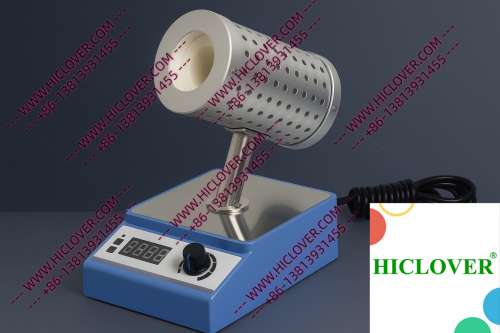
Laboratory environments, particularly those involving biological samples, face significant biosafety challenges. The need for effective sterilization methods has never been more critical, as contamination of samples can lead to erroneous results and hazardous outbreaks. A reliable sterilization process is essential to maintain laboratory integrity and ensure safety compliance.
Traditional methods of sterilization, such as alcohol lamps or Bunsen burners, pose various risks including flame hazards and incomplete sterilization. As a result, laboratories are increasingly turning to micro incinerators for rapid thermal sterilization. These devices not only improve safety but also enhance workflow efficiency across various applications.
Technical Principles and Configuration
The Micro Incinerator operates based on the principles of infrared heat transfer, utilizing an enclosed ceramic tube that generates high temperatures with minimal energy consumption. Unlike traditional flame sterilizers, which can produce harmful aerosols, the micro incinerator allows for aerosol-free handling of inoculating loops and other laboratory instruments.
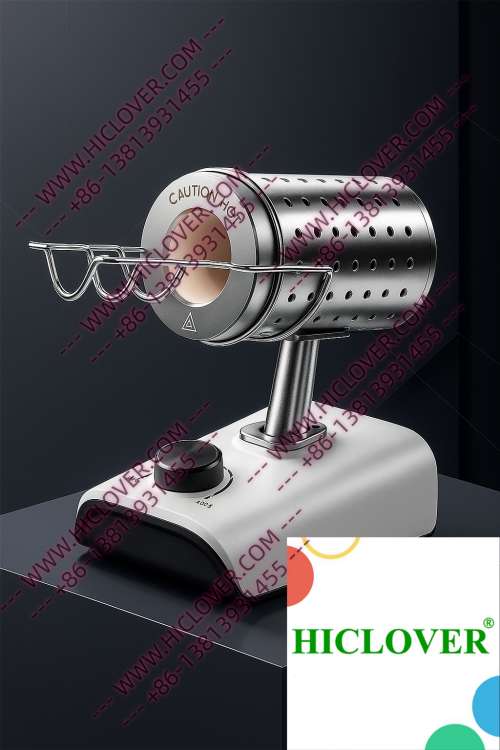
Equipped with a precise temperature control mechanism, the infrared inoculating loop sterilizer provides rapid thermal sterilization, effectively eliminating microbial contamination within seconds. This advanced configuration ensures that the workspace remains clean and safe, ideal for biosafety cabinets and clean rooms.
Applications in Laboratory Settings
1. Biosafety Cabinets
In BSL-2 and BSL-3 laboratories, where the handling of pathogenic organisms occurs, the risk of contamination is heightened. Micro incinerators fit seamlessly into the workflow of biosafety cabinets, permitting researchers to sterilize inoculating loops and tools without exposing themselves to flames. This operational safety leads to enhanced confidence in experimental outcomes, ensuring that samples remain uncontaminated.
2. Field Testing Laboratories
Field testing laboratories, such as those used in environmental monitoring and mobile health inspections, face unique challenges due to their operational environments. The portability and efficiency of micro incinerators make them invaluable in these settings. Instead of relying on cumbersome and potentially dangerous flame-based sterilization methods, teams can utilize infrared sterilizers to quickly and effectively manage sterilization on-site.
Compliance and Environmental Considerations
In an age where compliance with biosafety standards is paramount, micro incinerators offer a compliant solution that aligns with international health regulations. The World Health Organization (WHO) emphasizes the importance of proper sterilization in laboratory settings to mitigate the risk of infectious disease transmission.
Moreover, the use of micro incinerators contributes to a cleaner environment. By converting organic waste into energy rather than letting it contribute to landfill problems, Egypt’s waste-to-energy initiatives leverage these technologies for sustainable development. The environmental benefits align with both global sustainability goals and local initiatives aimed at modernizing waste disposal methods.
Advantages Over Traditional Flame Sterilizers
| Feature | Micro Incinerator | Flame Burners |
|---|---|---|
| Safety | Low risk of burns and aerosols | Flame hazards and aerosols present |
| Speed | Rapid thermal sterilization in seconds | Variable time, dependent on flame heating |
| Efficiency | Energy-efficient; minimal waste | Higher energy consumption |
| Cleanliness | Aerosol-free handling; clean operation | Aerosol generation; potential contamination |
FAQs About Micro Incinerators
- What is a micro incinerator? A micro incinerator is a compact sterilization device that uses infrared heat to achieve rapid sterilization of laboratory instruments.
- How does an infrared inoculating loop sterilizer work? It uses precisely controlled infrared heat to sterilize tools by achieving high temperatures quickly without open flames.
- Are micro incinerators safer than traditional sterilizers? Yes, they significantly reduce the risk of burns and aerosol generation, making them safer for laboratory use.
- Where can I use a micro incinerator? Micro incinerators are suitable for use in BSL-2/BSL-3 labs, biosafety cabinets, field testing labs, and even educational environments.
- What are the environmental benefits? Micro incinerators support waste-to-energy initiatives by converting waste into energy, reducing landfill burdens.
Conclusion
As Egypt navigates its waste management challenges, micro incinerators represent a powerful, innovative solution compliant with modern laboratory sterilization needs. By embracing the revolutionary Micro Incinerator / Infrared Inoculating Loop Sterilizer, laboratories can not only ensure effective sterilization but also contribute positively to environmental sustainability.
If you’re looking to upgrade your laboratory’s sterilization capacity while ensuring compliance with rigorous biosafety standards, consider investing in our advanced micro incineration technologies. Contact us today to discuss how we can aid in enhancing your laboratory workflow and safety!
Categories:
Tags: