
In the evolving narrative of laboratory biosafety, the challenges of sterilization workflows remain paramount. Environmental concerns heighten the urgency for advanced waste management, particularly in regions like Qatar, where rapid urbanization and a burgeoning population present unique challenges. Enter the Micro Incinerator, an innovative device, which not only ensures effective laboratory sterilization but also aligns with sustainable waste management practices.
The Technical Principles Behind Micro Incinerators
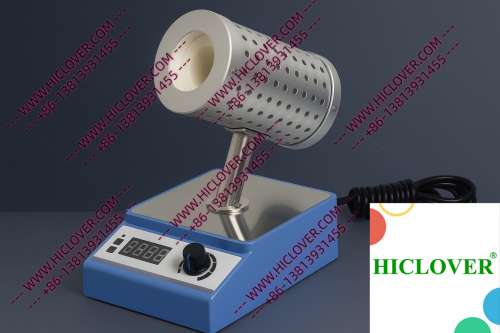
Micro incinerators, particularly the Micro Incinerator / Infrared Inoculating Loop Sterilizer, utilize infrared heat technology to achieve rapid thermal sterilization. This device features a compact and enclosed ceramic tube that ensures precise temperature control, eliminating the challenging issues associated with traditional flame sterilizers like alcohol lamps and Bunsen burners.
The infrared system generates high-temperature disinfection, allowing for a streamlined workflow that is clean-bench-safe and prevents the generation of aerosols. The use of a ceramic heating chamber maximizes efficiency, allowing for sterilization rates that are typically faster and more reliable than flame methods.
Application Scenarios in Laboratories
1. BSL-2 and BSL-3 Microbiology Labs
In BSL-2 and BSL-3 microbiology labs, where stringent biosafety protocols are critical, the Micro Incinerator has become a cornerstone of sterilization practices. When working with potentially infectious materials, maintaining contamination control is vital. The infrared sterilizer allows researchers to quickly and efficiently sterilize inoculating loops and other small equipment without introducing the risks associated with open flames.
2. University Teaching Labs
In educational settings such as university teaching labs, where students routinely perform microbiological experiments, the need for a safe and effective sterilization process is clear. Utilizing a Micro Incinerator enhances the learning experience by providing a straightforward method for students to practice good laboratory techniques while minimizing exposure to potentially harmful aerosols or open flames. This not only fosters a safer learning environment but also encourages proper biosafety compliance among budding scientists.
Compliance with Global Standards
When discussing laboratory sterilization technology, compliance with international standards is non-negotiable. The World Health Organization (WHO) has set forth guidelines that outline the importance of maintaining biosafety standards in laboratories worldwide. The Micro Incinerator adheres to these guidelines, offering a sterilization method that is both efficient and compliant.
Furthermore, traditional flame sterilizers pose significant risks in clean room environments where impurities must be meticulously controlled. The Micro Incinerator eliminates these risks, providing a no-flame solution that aligns perfectly with current laboratory sterilization standards.
Advantages Over Traditional Flame Sterilizers
| Feature | Micro Incinerator | Flame Sterilizers |
|---|---|---|
| Temperature Control | Precise heating with infrared technology | Variable and less controlled |
| Operation Safety | No open flame, aerosol-free | Open flame poses fire hazards |
| Environmental Impact | Promotes waste-to-energy, environmentally friendly | Higher emissions, less sustainable |
Transforming Qatar’s Environmental Landscape
As Qatar embraces innovative solutions for waste management and environmental preservation, the implementation of micro incinerators in laboratories aligns with national sustainability objectives. The potential for converting laboratory waste into energy also reflects Qatar’s commitment to fostering a sustainable future while enhancing laboratory efficiency.
FAQs about Micro Incinerators
- What is a Micro Incinerator?
A Micro Incinerator is a compact sterilization device that uses infrared heat for rapid thermal sterilization of laboratory instruments. - How does it compare to traditional flame sterilizers?
Micro Incinerators provide precise temperature control, improve safety by eliminating open flames, and reduce environmental impact. - What types of laboratories benefit from using Micro Incinerators?
BSL-2 and BSL-3 laboratories, teaching labs, and mobile field testing labs can all benefit from enhanced sterilization processes. - Are Micro Incinerators compliant with biosafety standards?
Yes, they meet international biosafety standards set by the WHO, making them suitable for various research environments. - Can they be used in clean room environments?
Yes, Micro Incinerators are designed to function effectively without generating aerosols or contaminants, making them ideal for clean rooms.
Conclusion: A Call to Action
In conclusion, micro incinerators are not just transforming the sterilization methodologies in laboratories across Qatar; they are also paving the way for sustainable waste management practices that align with global environmental goals. For laboratories looking to upgrade their sterilization processes and adhere to higher safety and compliance standards, investing in a Micro Incinerator / Infrared Inoculating Loop Sterilizer is a practical and forward-thinking choice. Reach out today to learn more about how this technology can enhance your laboratory’s performance and sustainability efforts.
Categories:
Tags: