
In recent years, Bangladesh has witnessed a significant increase in laboratory establishments that demand high standards of biosafety and sterilization. This surge brings forth practical challenges in maintaining contaminant-free environments and ensuring effective sterilization workflows. Traditional flame sterilizers, while prevalent, pose risks such as environmental contamination, flame hazards, and inefficiencies in waste disposal. As a solution, innovative approaches like Micro Incinerators are proving to be vital for laboratory sterilization, especially within the context of growing environmental consciousness.
Understanding the Micro Incinerator
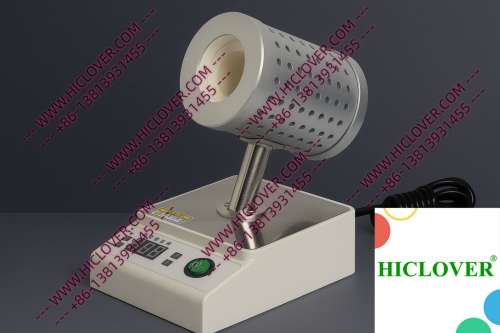
The Micro Incinerator, commonly known as the Infrared Inoculating Loop Sterilizer, operates on the principle of rapid thermal sterilization using infrared heat. This design features a ceramic heating chamber that delivers high-temperature disinfection without the use of open flames, making it ideal for sensitive laboratory environments like biosafety cabinets.
- Infrared Heat: The units use infrared radiation to generate heat that is effective for sterilization, providing quick and uniform temperature management.
- Enclosed Design: The enclosed ceramic tube minimizes the risk of aerosol generation, contributing to enhanced biosafety.
- Energy Efficient: These devices utilize less energy compared to traditional flame-based systems while providing superior sterilization results.
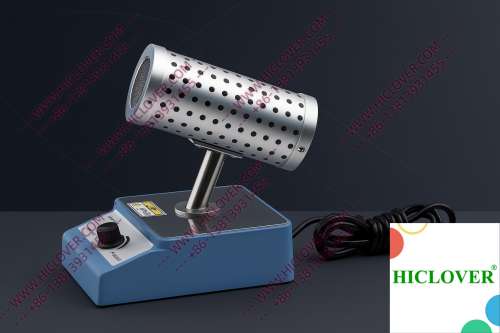
Applications in Real Laboratories
Micro Incinerators are versatile tools utilized in various settings, paving the way for effective sterilization practices. Here are two key application scenarios:
1. Biological Safety Level (BSL-2/BSL-3) Microbiology Labs
In BSL-2 and BSL-3 labs, where handling infectious agents is routine, the need for a clean-bench-safe sterilization tool is paramount. The Micro Incinerator effectively sterilizes inoculating loops and other tools inside a biosafety cabinet, ensuring that no aerosols escape into the laboratory environment. This greatly enhances personnel safety while maintaining sterile conditions for sensitive microbial work.
2. University Teaching Laboratories
In educational settings, where students learn sterile techniques, the infrared sterilizer replaces the traditional alcohol lamp and Bunsen burner. This equipment allows students to practice and observe sterilization processes safely without the hazards associated with open flames. Students gain practical knowledge while minimizing the risk of contamination and ensuring sterile conditions.
Compliance and Environment Considerations
Meeting international biosafety standards is critical for laboratories, especially in regions aiming for sustainable and responsible waste management. The World Health Organization (WHO) outlines practices for sterilization that prioritize safety and sterility, and modern devices like Micro Incinerators comply with these regulations. They are specifically designed to provide:
- Adherence to WHO biosafety standards.
- Efficient waste disposal via ash reduction, aligning with environmental sustainability efforts.
- No flame presence, crucial for maintaining cleanroom standards and reducing the risk of contamination.
Comparative Features: Micro Incinerator vs. Flame Burners
| Feature | Micro Incinerator | Flame Burners (e.g., Alcohol Lamps, Bunsen Burners) |
|---|---|---|
| Type of Heat | Infrared / Rapid Thermal | Open Flame |
| Contamination Control | Low risk (enclosed design) | Higher risk (aerosol generation possible) |
| Energy Efficiency | High | Moderate |
| Usability in Cleanrooms | Yes | No |
Frequently Asked Questions
- What is a Micro Incinerator?
A Micro Incinerator is a laboratory sterilization device that uses infrared heat for rapid and efficient tool sterilization without flames, ideal for maintaining sterile conditions. - How does it differ from traditional flame sterilizers?
Unlike flame-based systems that can produce hazardous aerosols and require constant fuel supply, Micro Incinerators provide a safer, more environmentally-friendly alternative for laboratory sterilization. - Are Micro Incinerators suitable for field testing?
Yes, their compact design and safety features make them applicable in field testing laboratories where onsite sterilization is necessary. - What standards do Micro Incinerators meet?
They comply with international biosafety regulations, including those from the WHO, ensuring they are safe and effective for laboratory use. - How energy-efficient are these devices?
Micro Incinerators are designed for energy efficiency, consuming less power while delivering effective sterilization speeds compared to traditional methods.
Conclusion
Micro Incinerators signify a forward-thinking approach in the field of laboratory sterilization, blending safety, efficiency, and compliance with global standards. They are essential not only for improving lab workflows but also for fostering a greener environment in Bangladesh. For laboratories seeking reliable and advanced sterilization solutions, investing in Micro Incinerators offers a promising path toward sustainability and safety in sterile environments. For further inquiries or to place an order, please contact us today!
Categories:
Tags: