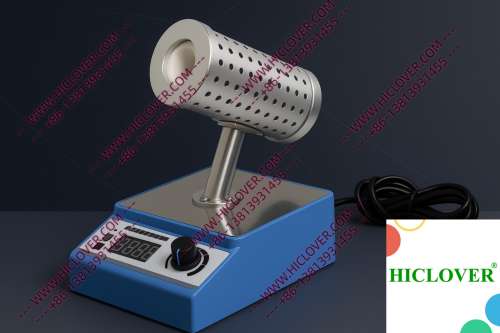
The need for efficient waste management in laboratories cannot be overstated, especially in a nation like Sri Lanka, where biosafety challenges are becoming increasingly vital. As researchers, clinicians, and educators demand more from their sterilization workflows, the inadequacies of traditional flame sterilizers, such as alcohol lamps and Bunsen burners, become apparent. In response, micro incinerators, specifically the Infrared Inoculating Loop Sterilizer, offer a revolutionary solution by providing rapid thermal sterilization, enhancing contamination control, and ultimately promoting a greener approach to waste management.
Understanding the Micro Incinerator’s Technical Principles
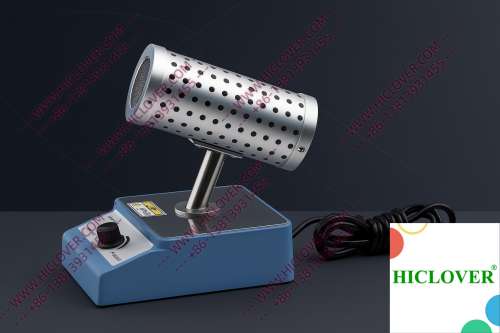
The operational efficiency of micro incinerators lies in their innovative technical principles. Utilizing infrared heat, these devices create a focused and intense thermal environment ideal for sterilization. The enclosed ceramic tube, which functions as a heating chamber, generates heat that rapidly and evenly sterilizes inoculating loops, glassware, and other sterilizable instruments. This system minimizes the risk of contamination while providing a clean-bench-safe environment crucial for laboratory settings.
Advantages Over Traditional Sterilization Methods
- Accelerated Sterilization: Infrared technology allows for quick disinfection without the extensive wait times associated with flame-based methods.
- Aerosol-Free Handling: Unlike flames, micro incinerators do not produce aerosols, thus reducing the risk of airborne contamination.
- Enhanced Safety: With no open flame, these sterilizers are safer to use in BSL-2 and BSL-3 microbiology labs where biosafety is critical.
- Environmentally Friendly: By converting waste to energy, these devices align with eco-friendly practices while minimizing the carbon footprint.
- WHO Biosafety Guidelines
- ISO 13485: Quality Management Systems for Medical Devices
- Regulations for waste disposal in healthcare settings
Application Scenarios in Real Laboratories
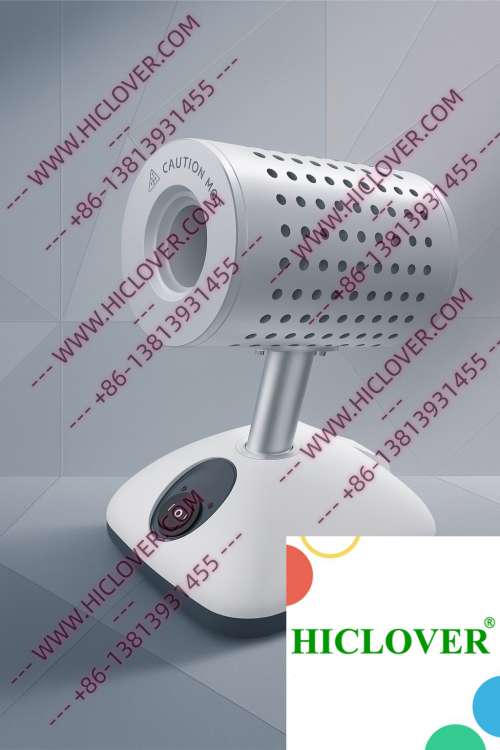
The versatility of micro incinerators makes them suitable for various laboratory environments. Here are two compelling application scenarios:
1. University Teaching Labs
In academic settings, teaching labs require equipment that not only provides thorough sterilization but also offers ease of use for students. Micro incinerators excel here, as they allow students to quickly sterilize their tools without the complexities of flame management. This encourages hands-on learning and increases the overall efficiency of laboratory instruction.
2. Field Testing Labs
Field testing labs, particularly those involved in clinical diagnostics and environmental studies, benefit immensely from portable micro incinerators. These devices can be easily transported to remote locations, where immediate sterilization is essential. Their rapid thermal sterilization capabilities ensure that field researchers can maintain strict biosafety standards while conducting their work in diverse environments.
Biosafety Compliance and Environmental Standards
Compliance with biosafety regulations is paramount in laboratory settings. The World Health Organization (WHO) emphasizes strict adherence to safety standards such as those outlined in the Biosafety in Microbiological and Biomedical Laboratories (BMBL) guidelines. Micro incinerators align with these standards by offering a flame-free solution safe for use in clean rooms. Traditional flame sterilizers can compromise sterile conditions by introducing combustion byproducts and residues, whereas micro incinerators ensure a controlled environment.
Compliance Benefits
Integrating micro incinerators within laboratory workflows not only enhances the sterilization efficiency but also aligns with various international biosafety standards such as:
Features & Specifications of Micro Incinerators
| Feature | Micro Incinerator | Traditional Flame Sterilizer |
|---|---|---|
| Rapid Sterilization Time | Seconds | Minutes |
| Safety | High – No open flame | Risky – Open flame hazards |
| Heat Source | Infrared | Combustion |
| Contamination Risk | Low | High |
FAQs on Micro Incinerators
1. How does a Micro Incinerator differ from traditional sterilizers?
Micro incinerators use infrared heat technology to sterilize equipment quickly and efficiently, whereas traditional methods rely on flame combustion, which can compromise sterile environments.
2. Are Micro Incinerators safe for BSL-3 labs?
Yes, they are safe for use in BSL-3 labs as they eliminate the risk of open flames, ensuring a secure biosafety level for sensitive work.
3. How long does it take to sterilize instruments?
The sterilization process with a micro incinerator takes just a few seconds, significantly reducing laboratory turnaround time.
4. Can Micro Incinerators be used in mobile labs?
Absolutely! The compact and portable design of micro incinerators makes them ideal for use in mobile labs or field testing situations.
5. What makes Infrared Inoculating Loop Sterilizers preferable in sterile environments?
These sterilizers provide an aerosol-free, high-temperature disinfection solution that is vital for maintaining sterile conditions in clean environments.
Conclusion
Micro incinerators, particularly the Infrared Inoculating Loop Sterilizer, represent a pivotal advancement in laboratory sterilization practices. Their rapid thermal sterilization capabilities, safety features, and environmental benefits position them as the preferred choice for modern laboratories across Sri Lanka and beyond. As the demand for efficient waste management and biosafety compliance grows, investing in micro incinerators will undoubtedly pave the way toward a greener future. For inquiries or to place an order today, please reach out.
Categories:
Tags: