
In modern laboratory environments, particularly in biosafety labs dealing with infectious materials, effective sterilization is critical to ensuring safety and compliance with health regulations. Among the innovative solutions gaining traction in Spain is the utilization of portable micro incinerators to transform waste into energy. These compact units not only streamline sterilization workflows but also significantly enhance biosecurity. A notable alternative in this realm is the Micro Incinerator or Infrared Inoculating Loop Sterilizer, a device redefining laboratory sterilization practices.
The Challenges of Laboratory Biosafety
Laboratories, especially those operating at BSL-2 and BSL-3 levels, face continual challenges in contamination control. Traditional sterilization methods, such as the use of Bunsen burners or alcohol lamps, present risks including flame exposure, aerosol generation, and potential cross-contamination. Such concerns necessitate advanced sterilization technologies that can ensure thorough disinfection without compromising the safety of laboratory personnel and the integrity of sterile environments.
Technical Principles of Micro Incinerators
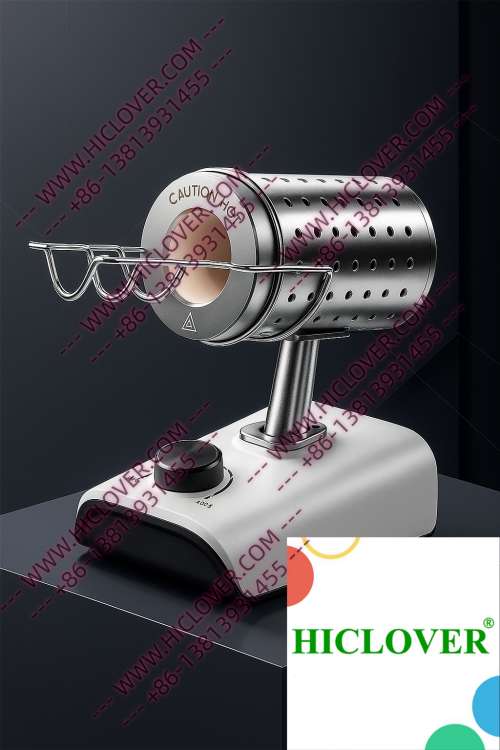
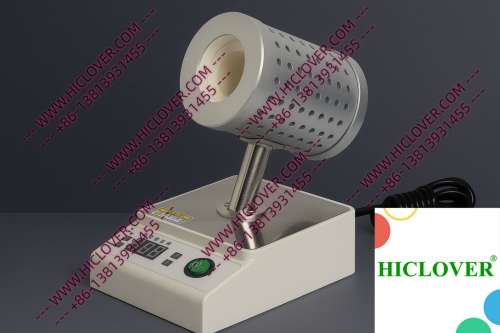
The Micro Incinerator operates on the principle of rapid thermal sterilization through infrared heat. Unlike traditional flame sterilizers, which can produce unwanted byproducts and require a constant fuel source, the Micro Incinerator features a sealed ceramic heating chamber that reaches high temperatures in seconds. This design allows for quick disinfection of inoculating loops and other implements, minimizing the risk of contamination.
One of the most significant advantages of the Micro Incinerator is its enclosed design, which prevents aerosols from escaping during use. The infrared heaters provide consistent heating, ensuring that every surface gets adequately sterilized, making it a more effective choice in cleanrooms and sensitive environments.
Applications of Micro Incinerators in Laboratory Settings
Micro Incinerators find their applications in various laboratory settings, enhancing the efficacy of sterilization workflows.
- Biosafety Cabinets: In these controlled environments, using a Micro Incinerator can quickly sterilize tools without introducing contaminants. Labs can maintain sterile airflow while ensuring that instruments are ready for immediate use.
- Field Testing Laboratories: Portable versions are increasingly utilized in field conditions, allowing for safe and efficient sterilization during sample collection and analysis, critical in clinical diagnostics, environmental studies, and outbreak investigations.
- University Teaching Labs: Educators benefit from Micro Incinerators’ ease of use and safety features, facilitating practical student training in microbiological techniques while reducing the risk of accidents associated with flames.
Compliance with Biosafety Standards
When considering sterilization methods, compliance with global biosafety standards, such as those established by WHO, is paramount. The Micro Incinerator addresses many of these concerns by offering:
- No open flames, ensuring safety in clean rooms and student labs.
- Reduced risk of cross-contamination due to aerosol-free handling.
- Rapid disinfection, meeting the urgent sterilization demands in clinical settings.
The steam sterilization standards set forth by organizations like the ISO and CDC also align with the efficient operation of the Micro Incinerator, making it a suitable option for laboratories aiming to meet stringent regulations.
Comparison: Micro Incinerator vs. Traditional Flame Burners
| Feature | Micro Incinerator | Flame Burners |
|---|---|---|
| Mode of Sterilization | Infrared heat in enclosed chamber | Open flame |
| Safety | No flame, reduced aerosol risk | Potential for burns and contamination |
| Heating Speed | Instantaneous | Varies, can be slow |
| Portability | Portable models available | Generally stationary |
Frequently Asked Questions
What are the main benefits of using a Micro Incinerator in the laboratory?
The Micro Incinerator offers rapid sterilization with no open flames, reducing the risk of contamination and ensuring compliance with biosafety standards.
Can Micro Incinerators be used in field testing scenarios?
Yes, portable models of the Micro Incinerator are ideal for field testing, allowing for immediate sterilization of instruments in remote locations.
How does the Micro Incinerator improve safety in BSL-2 labs?
By eliminating open flames and aerosols, the Micro Incinerator enhances safety protocols in BSL-2 labs, allowing researchers to handle infectious materials with lower risks.
Are Micro Incinerators compliant with international lab standards?
These devices are designed to meet WHO, ISO, and CDC standards for laboratory sterilization, ensuring they are suitable for various biosafety levels.
What maintenance is required for a Micro Incinerator?
Micro Incinerators typically require minimal maintenance; routine checks and occasional cleaning of the ceramic heating chamber are sufficient to ensure optimal operation.
Conclusion
The transition from traditional flame sterilizers to innovative solutions like the Micro Incinerator reflects a growing demand for safer, more efficient laboratory practices. This technology not only addresses historical challenges of contamination control but also aligns with global biosafety standards. For laboratory supply distributors, research centers, and educational institutions looking to elevate their biosafety protocols, the Micro Incinerator presents a compelling choice. Contact us today to explore our product offerings and join the movement towards safer laboratory practices!
Categories:
Tags: