
In the realm of laboratory safety and efficiency, biosafety challenges are ever-present, particularly when it comes to sterilization workflows. Traditional methods such as alcohol lamps and Bunsen burners have served their purpose, yet they pose contamination risks, increase overhead costs, and can create hazardous environments. This is where Micro Incineration Technology, specifically the Micro Incinerator or Infrared Inoculating Loop Sterilizer, revolutionizes the landscape of laboratory sterilization.
Understanding Micro Incineration Technology
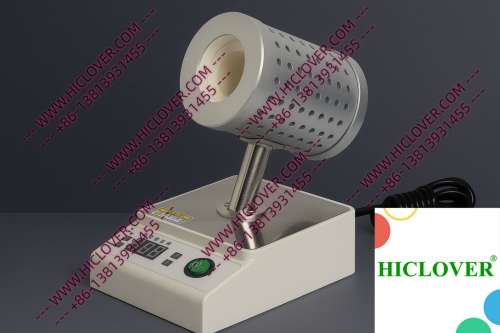
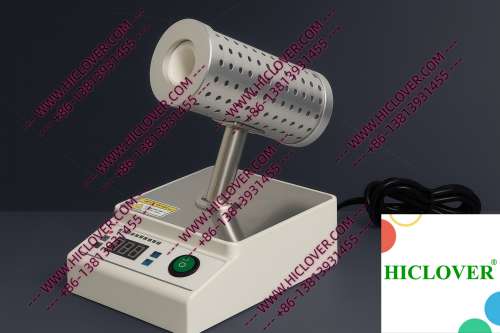
The Micro Incinerator harnesses the power of infrared heat to provide rapid thermal sterilization. Its unique configuration features an enclosed ceramic heating chamber that reaches extremely high temperatures, ensuring the total destruction of microbial life on inoculating loops, needles, and other laboratory implements. The infrared technology enables a clean-bench-safe operation, which promotes both biosafety and contamination control, critical in BSL-2 and BSL-3 microbiology labs.
- Rapid Thermal Sterilization: Within seconds, the infrared sterilizer achieves temperatures that safely eliminate pathogens.
- Contamination Control: No flame means reduced risk of aerosol formation and contamination.
- Energy Efficiency: The Micro Incinerator uses less energy compared to conventional flame sterilizers.
Applications in Real Laboratory Settings
1. Biosafety Cabinets
In many academic and clinical labs, biosafety cabinets are essential for experiments involving pathogenic substances. Researchers utilize the Micro Incinerator for sterilizing tools and instruments within these enclosures. Instead of introducing an open flame, which can create drafts, the infrared inoculating loop sterilizer allows for an aerosol-free handling process, maintaining a sterile environment crucial for sensitive biological work.
2. Field Testing Laboratories
Field testing labs often face unique challenges, such as limited power supply and outdoor conditions. The portable Micro Incinerator is an invaluable tool in these settings. It enables researchers to sterilize their equipment on-site efficiently, minimizing the risk of cross-contamination while ensuring compliance with sterilization standards. This adaptability is vital for environmental research, clinical diagnostics, and mobile testing operations.
Compliance and Environmental Considerations
Adhering to WHO biosafety standards and other laboratory sterilization regulations is paramount in any lab. Organizations worldwide are increasingly moving towards technologies that align with sustainable practices. Traditional flame sterilizers fall short of these criteria, as their combustion processes produce emissions and require a consistent fuel source, increasing the lab’s carbon footprint.
On the other hand, the Micro Incinerator offers an environmentally-friendly solution. By eliminating the need for flame, it not only promotes clean-room safety but also adheres to stringent biosafety compliance. Removing open flames from cleanrooms and labs reduces the risk of fire hazards, making sterile settings much safer for lab personnel.
Comparative Analysis: Micro Incinerator vs. Flame Sterilizers
| Feature | Micro Incinerator | Flame Sterilizers |
|---|---|---|
| Heating Method | Infrared | Open Flame |
| Safety | Clean-bench-safe, no flame risk | Fire hazard, aerosol risks |
| Energy Efficiency | Low energy consumption | Higher energy consumption |
| Speed of Sterilization | Seconds | Minutes |
| Portability | Yes | No (stationary) |
Frequently Asked Questions
1. What makes Micro Incinerators safer than traditional flame sterilizers?
Micro Incinerators offer a closed system with no open flames, reducing the risk of fire hazards and unwanted aerosol generation, thereby maintaining a sterile environment.
2. Can the Micro Incinerator be used in a field setting?
Yes, it is portable and designed for on-the-go use, making it perfect for field testing labs and other mobile applications.
3. How quickly do Micro Incinerators sterilize instruments?
Micro Incinerators can sterilize tools in a matter of seconds, significantly faster than traditional methods.
4. What kind of maintenance does a Micro Incinerator need?
Minimal maintenance is required; regular cleaning of the ceramic chamber and occasional checks for operational integrity are recommended.
5. Are Micro Incinerators compliant with global biosafety standards?
Yes, they meet WHO and other laboratory sterilization standards, ensuring safe use in biosafety labs.
Conclusion
With its cutting-edge technology and remarkable efficiency, the Micro Incinerator stands as a transformative solution in laboratory sterilization. By combining the need for rapid thermal sterilization with strict compliance for biosafety, it offers laboratories a safer and more effective method for performing sterilization tasks. For laboratories looking to improve workflows, control contamination, and enhance safety procedures, investing in a Micro Incinerator is a decision that will yield significant long-term benefits. Contact us today to learn more about how our Micro Incinerator can meet your laboratory needs.
Categories:
Tags: