
The landscape of laboratory biosafety has evolved tremendously, particularly in the realms of sterilization and waste management. In the Czech Republic, as environmental considerations gain traction, laboratories are facing practical challenges regarding biosafety adherence while maintaining workflow efficiency. The introduction of modern sterilization equipment, such as micro incinerators, offers a transformative solution that aligns with sustainability goals, particularly in the context of waste-to-energy methods.
Navigating Laboratory Biosafety Challenges
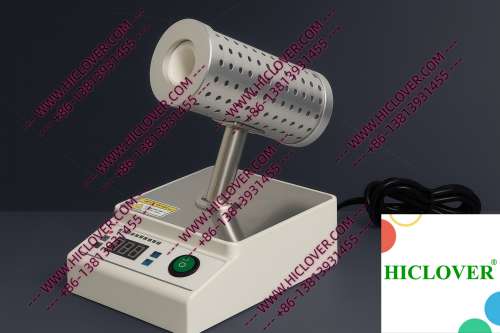
In laboratories, especially those working within BSL-2 and BSL-3 containment levels, safe sterilization practices are paramount. Traditional methods like flame sterilizers pose risks, including open flames, which are unsuitable in cleanroom environments, and can create hazardous aerosol dispersal during use. As a result, there is a growing need for efficient, rapid thermal sterilization methods that minimize contamination risks.
Understanding Micro Incinerators
The Micro Incinerator or Infrared Inoculating Loop Sterilizer represents a reinvention in laboratory sterilization technology. This device utilizes an enclosed ceramic tube that provides infrared high-temperature disinfection, effectively eliminating biological contaminants without the risks associated with open flames or traditional alcohol burners. The unique design allows for:
- Rapid Sterilization: Achieves sterilization within seconds, enhancing laboratory workflow.
- Clean-Bench-Safe Operation: Eliminates the risk of aerosols, maintaining a sterile environment.
- Energy Efficiency: Reduces energy consumption while delivering powerful sterilization capabilities.
- Portability: Ideal for field testing and mobile labs, allowing for sterilization in various environments.
- No open flame in cleanroom settings.
- Effective thermal disinfection methods compliant with lab sterilization standards.
- Reduction of waste and promotion of sustainability through potential energy recovery methods.
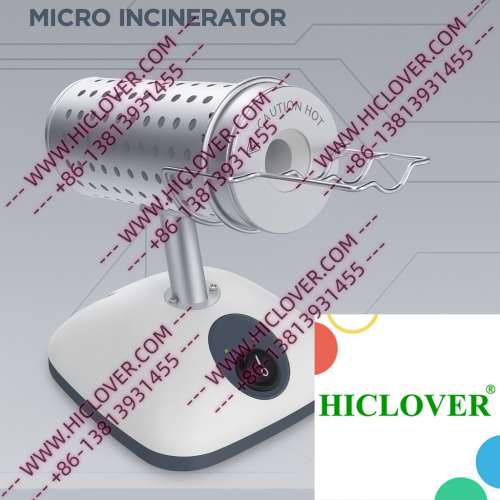
Applications of Micro Incinerators
1. Teaching Laboratories
In university environments, micro incinerators are crucial for microbiology and clinical diagnostic courses. Students utilize these devices in clean benches, providing hands-on experience while ensuring safety. This technology allows for effective inoculation loop sterilization, significantly reducing the learning curve associated with traditional flame methods.
2. Field Testing Laboratories
In field laboratories, particularly in microbiology, rapid sterilization is essential. Micro incinerators offer researchers the flexibility to conduct sampling and immediate sterilization onsite without the complications of transporting heavy equipment. By using portable micro incinerators, teams can adhere to strict contamination control protocols while conducting essential research.
Compliance and Environmental Considerations
The importance of adhering to global biosafety standards cannot be overstated. Organizations like WHO set forth guidelines that recommend using technologies that minimize contamination risks in laboratories. Micro incinerators align with these standards by ensuring:
In the Czech Republic, as the push towards eco-friendliness grows, integrating micro incinerators supports both sterile environment requirements and waste-to-energy initiatives, positioning laboratories as responsible stewards of the environment.
Comparison of Sterilization Technologies
| Feature | Micro Incinerator | Flame Sterilizers |
|---|---|---|
| Operational Safety | Flame-free sterilization | Open flames present risks |
| Efficiency | Rapid, thermal sterilization | Slower, prone to incomplete sterilization |
| Environmental Impact | Supports waste-to-energy initiatives | Increases carbon footprint |
| Portability | Highly portable for field use | Bulky and potentially hazardous |
FAQs
What is a micro incinerator? Is it safe?
A micro incinerator is a sterilization device that uses infrared heat to quickly and effectively sterilize inoculation loops and other laboratory tools. It is designed to operate without flames, minimizing safety risks.
How does a micro incinerator work?
The device works by heating an enclosed ceramic tube using infrared technology, creating optimal conditions for rapid thermal sterilization of biological materials.
Can I use a micro incinerator in a cleanroom?
Yes, micro incinerators are ideal for cleanroom environments as they eliminate the hazards of open flames and prevent aerosol dissemination.
What are the main benefits of using a micro incinerator over traditional sterilizers?
Micro incinerators offer rapid sterilization, increased safety, energy efficiency, and compliance with modern laboratory standards, making them a superior choice for many applications.
Are micro incinerators suitable for field tests?
Absolutely, micro incinerators are lightweight and portable, making them perfect for use in field testing laboratories where quick sterilization is crucial.
Conclusion: A Sustainable Future Awaits
As the Czech Republic pivots toward eco-friendly solutions, incorporating micro incinerators into laboratory protocols not only enhances biosafety but also promotes environmental sustainability. With rapid sterilization, improved safety protocols, and compliance with global standards, these devices are essential for modern laboratories aiming for excellence in research and waste management. If you are ready to upgrade your sterilization methods or enhance your laboratory’s environmental commitment, consider investing in micro incinerators today.
Categories:
Tags: