
Policymakers and laboratory professionals face significant biosafety challenges in maintaining sterile environments, especially in a country like Greece, where pollution has become a pressing issue. The increasing demand for effective sterilization solutions has paved the way for innovative technologies, including Micro Incinerators. These compact devices are not just critical for laboratory operations; they also hold great promise in addressing environmental concerns through waste-to-energy conversion.
The Technical Principle: Infrared Heat and Enclosed Ceramic Tubes
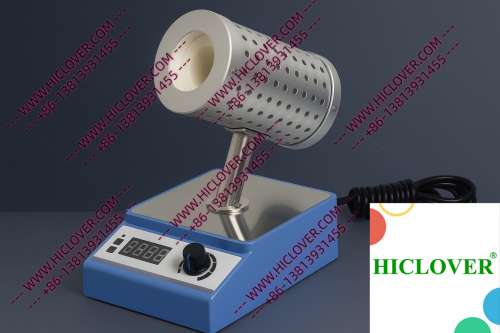
Micro Incinerators operate using a unique principle of rapid thermal sterilization. By employing high-temperature infrared heat within an enclosed ceramic tube, these devices achieve efficient sterilization without the risks associated with traditional flame sources. The infrared technology provides a controllable and precise application of heat, ensuring effective disinfection while minimizing aerosol generation, which facilitates contamination control.
Features of Micro Incinerators
- Rapid Sterilization: Provides high-temperature disinfection in seconds.
- Clean-Bench-Safe: Designed for use in biosafety cabinets, avoiding risks associated with open flames.
- Energy-Efficient: Contributes to waste-to-energy initiatives by converting sterilization waste into energy.
- Aerosol-Free Handling: Reduces the risk of airborne contaminants in the lab environment.
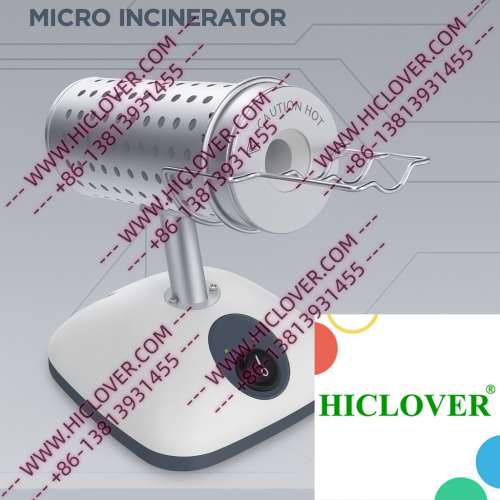
Application Scenarios in Real Labs
1. University Teaching Labs
In academic settings, such as university teaching labs for microbiology students, the Micro Incinerator serves as a safer alternative to traditional flame sterilizers like alcohol lamps or Bunsen burners. Instructors can demonstrate proper inoculation techniques while minimizing fire hazards and ensuring a sterile environment. The ease of operation allows students to focus on learning crucial skills without the concerns tied to open flames.
2. Mobile Field Testing Labs
Field testing labs in Greece often face unique challenges due to varying environmental conditions. Micro Incinerators allow technicians to perform sterile procedures on-site without electricity and without the risks of flame-based sterilization. The portability and reliability of these devices enable effective contamination control for clinical diagnostics or environmental sampling.
Compliance and Environmental Implications
Maintaining compliance with WHO biosafety standards and lab sterilization regulations is vital. Traditional flame sterilizers pose challenges in cleanrooms where combustion is not permitted due to the risk of contaminants. Micro Incinerators, with their ceramic heating chambers, provide a compliant alternative, allowing laboratories to uphold rigorous sterilization standards while ensuring worker safety. With a growing focus on the environmental impact of laboratory waste, adopting Micro Incinerators aligns with waste reduction strategies and supports Greece’s commitment to sustainability.
Comparison Table: Micro Incinerator vs Flame Burners
| Feature | Micro Incinerator | Flame Burners |
|---|---|---|
| Energy Efficiency | High | Medium |
| Speed | Rapid Thermal Sterilization | Requires time to establish flame |
| Safety in Clean Rooms | Yes | No |
| Aerosol Generation | Minimal | High |
| Operational Complexity | Straightforward | Requires skill to manage flame |
Frequently Asked Questions
What is a Micro Incinerator?
A Micro Incinerator is a compact sterilization device that uses infrared heat to rapidly and effectively sterilize inoculating loops and other laboratory equipment, ensuring a contamination-free environment.
How does it compare to traditional sterilization methods?
Micro Incinerators provide a flame-free solution that is faster, safer, and cleaner than traditional methods like Bunsen burners, making them ideal for modern laboratory practices.
Where can Micro Incinerators be used?
They are suitable for various environments including BSL-2 and BSL-3 labs, mobile field-testing labs, and university teaching labs, ensuring high standards of hygiene and safety.
Are Micro Incinerators compliant with lab safety standards?
Yes, they comply with WHO biosafety standards and are designed to be safe for use in cleanrooms and other sensitive environments due to their no-flame design.
Can Micro Incinerators help in waste management?
Yes, they can effectively convert sterilization waste into energy, supporting Greece’s initiatives in waste reduction and pollution control.
Conclusion
The adoption of Micro Incinerators plays a pivotal role in advancing Greece’s fight against pollution while meeting the sterilization demands of modern laboratories. With their numerous advantages over traditional flame sterilizers, they are ideal for ensuring biosafety compliance across various laboratory settings. For laboratories looking to enhance their sterilization protocol and contribute to sustainable practices, investing in Micro Incinerators is a step in the right direction. Contact us today to explore how these innovative solutions can meet your sterilization needs!
Categories:
Tags: