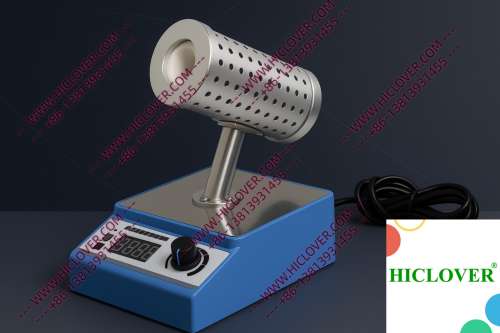
Laboratory biosafety has become increasingly crucial, especially in environments focused on biological research and clinical diagnostics. The challenge of contamination control is ever prevalent, as laboratories seek efficient methods of sterilization that not only comply with biosafety regulations but also enhance workflow efficiency. One innovative solution that addresses these needs is the Micro Incinerator, specifically the Infrared Inoculating Loop Sterilizer. This equipment represents a significant leap in laboratory sterilization technology, proving essential in settings ranging from university teaching labs to high-level biosafety laboratories.
Understanding the Technical Principles
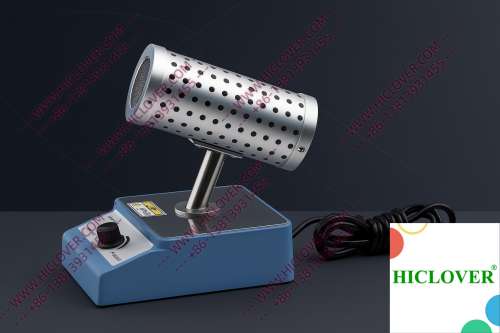
At the heart of the Micro Incinerator is the principle of rapid thermal sterilization using infrared heat. Unlike traditional flame sterilizers, such as alcohol lamps and Bunsen burners, the Micro Incinerator employs an enclosed ceramic tube that emits concentrated infrared energy. This technology effectively sterilizes laboratory tools, such as inoculating loops, in a matter of seconds, eliminating the risk of contamination and ensuring a safer working environment.
One of the key advantages of this sterilization method is its ability to provide high-temperature disinfection without producing aerosols or flames, which can be hazardous in cleanroom environments. The enclosed heating chamber allows for clean, efficient sterilization while minimizing the dangers associated with open flames, particularly in sensitive laboratory settings.
Applications in Real Laboratories
1. Biosafety Cabinet Applications
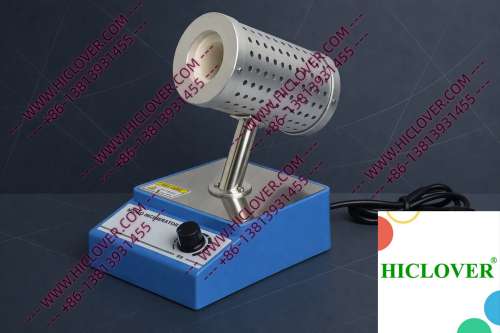
In high-containment labs, such as those operating under Biosafety Level 2 (BSL-2) and BSL-3 protocols, the Micro Incinerator serves as an invaluable tool. For instance, in clinical diagnostics laboratories dealing with infectious agents, rapid sterilization of inoculating tools is crucial. The use of a Micro Incinerator inside a biosafety cabinet ensures that all tools are sterilized before they come into contact with samples, greatly reducing cross-contamination risks.
2. Field Testing and Mobile Labs
In Kenya, where field testing of pathogens is vital for disease control, the portability of the Micro Incinerator provides a significant advantage. Mobile laboratories equipped with these devices enable rapid on-site sterilization of tools while handling samples from various environmental sources. This flexibility not only supports effective research but also enhances the overall safety and efficiency of field studies.
Compliance with Laboratory Standards
Globally recognized standards for laboratory sterilization, as outlined by organizations like the World Health Organization (WHO), emphasize the importance of rapid and effective sterilization to maintain biosafety and prevent contamination. The Micro Incinerator adheres to these biosafety standards by offering:
- High-temperature sterilization in an enclosed environment
- Elimination of open flames in clean rooms
- Compliance with BSL-2 and BSL-3 laboratory protocols
By leveraging the Micro Incinerator, laboratories not only meet safety requirements but also enhance their credibility in the scientific community, establishing themselves as responsible entities in public health and research.
Comparative Analysis: Micro Incinerator vs. Traditional Flame Sterilizers
| Feature | Micro Incinerator | Flame Burners (Alcohol Lamps, Bunsen Burners) |
|---|---|---|
| Heat Source | Infrared heating chamber | Open flame |
| Sterilization Time | Seconds | Varies, longer |
| Safety | No flames, aerosol-free | Flame hazard |
| Portability | Highly portable | Less portable |
| Application in Cleanrooms | Ideal | Not recommended |
Frequently Asked Questions
What kind of maintenance does a Micro Incinerator require?
The Micro Incinerator requires minimal maintenance, mainly focusing on keeping the heating element clean and ensuring the electrical components are functioning properly.
Can Micro Incinerators be used in teaching laboratories?
Yes, they are particularly useful in teaching labs due to their ease of use and compact size, making them ideal for student demonstrations of sterilization techniques.
What is the sterilization temperature of a Micro Incinerator?
The Micro Incinerator can reach temperatures exceeding 800°C, providing rapid sterilization for various laboratory instruments.
How does a Micro Incinerator contribute to a safer lab environment?
By eliminating open flames and minimizing aerosol production, the Micro Incinerator significantly reduces safety hazards, improving overall lab safety.
Is a Micro Incinerator energy-efficient?
Yes, the energy consumption is optimized for efficiency, allowing for quick sterilization cycles without significant energy waste.
Conclusion
As Kenya forges ahead, integrating sustainable practices into laboratory workflows, the utilization of Micro Incinerators signifies a pivotal advancement. The combination of ecological responsibility and modern technology positions these devices not merely as scientific tools but as integral components of a healthier laboratory future. For organizations seeking to elevate their laboratory’s biosafety and sterilization protocols, investing in a Micro Incinerator or Infrared Inoculating Loop Sterilizer may be the next critical step. Please reach out to discuss how to enhance your laboratory’s sterilization practices today!
Categories:
Tags: