
In the world of laboratory work, maintaining biosafety while ensuring efficient sterilization processes can be a complex challenge. Laboratory professionals frequently encounter situations where traditional flame sterilizers—such as alcohol lamps and Bunsen burners—fall short. With a heightened focus on rapid thermal sterilization and contamination control, the introduction of micro incinerators, specifically the Micro Incinerator / Infrared Inoculating Loop Sterilizer, is redefining the landscape of laboratory sterilization equipment. This article explores the advantages of micro incinerators, their application in real lab environments, and their role in promoting sustainable living through waste energy management.
Technical Principles of Micro Incinerators
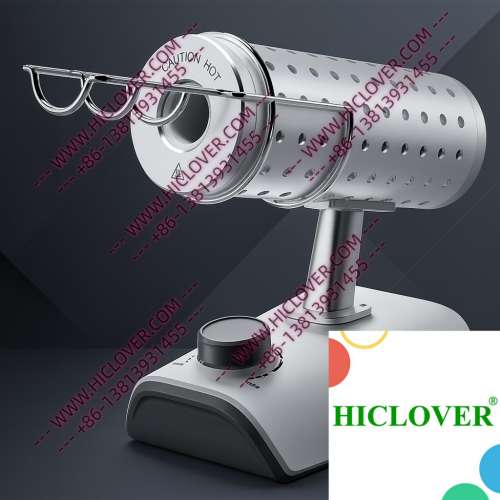
The Micro Incinerator operates on the principle of infrared high-temperature disinfection. It utilizes an enclosed ceramic tube, which generates rapid heat without the use of an open flame. This design significantly enhances safety while maintaining a controlled environment for sterilization. The infrared technology emits concentrated heat directly to sterilize inoculating loops and other small instruments quickly, achieving temperatures that effectively eliminate microbial life.
Comparative Advantages Over Traditional Flame Sterilizers
| Feature | Micro Incinerator | Flame Sterilizers |
|---|---|---|
| Safety | Enclosed design minimizes risk of fire and injury | Open flame poses fire hazards |
| Contamination Control | Aerosol-free handling; minimizes air contamination | Inhalation of combusted materials may occur |
| Usability | Plug-and-play; requires no complicated setup | Requires fuel and maintenance |
| Efficiency | Rapid heating and cooling cycles | Longer heating times |
Real-Life Applications in Laboratories
Biosafety Cabinets
In a BSL-2 or BSL-3 microbiology lab where pathogen handling is paramount, the Micro Incinerator exemplifies safety and efficiency. When using a biosafety cabinet, microbiologists can quickly sterilize inoculating loops between experiments, significantly reducing the risk of cross-contamination. This rapid thermal sterilization minimizes downtime, allowing scientists to focus on their important research without compromising safety.
Field Testing Labs
Field testing laboratories often face unique challenges, particularly concerning portability and the availability of power sources. The plug-and-play design of the Micro Incinerator makes it an excellent choice for mobile labs. For instance, during a community health outreach program in rural areas of [insert country/city], portable sterilization solutions ensure that samples can be processed in real-time without the risk of contamination or delay.
Compliance and Environmental Impact
Compliance with sterilization standards is crucial in laboratory settings. The World Health Organization (WHO) has established stringent biosafety protocols, applicable to labs working with potentially hazardous pathogens. Conventional flame sterilizers release aerosols and can compromise the integrity of their surrounding environment, especially in clean rooms. The Micro Incinerator, devoid of flame, meets these compliance requirements while ensuring sterilization efficiency.
Moreover, the incorporation of micro incinerators in laboratories contributes to a sustainable living model by converting biological waste directly into energy. As medical laboratories generate organic waste, the potential for these devices to minimize waste volume while producing useful energy reflects an innovative approach in environmental management.
FAQ Section
- What is the maximum temperature achieved by a Micro Incinerator?
Micro Incinerators can reach temperatures exceeding 800°C, ensuring effective sterilization. - How long does it take to sterilize an inoculating loop?
A typical sterilization cycle for an inoculating loop takes about 5-7 seconds, providing rapid turnaround. - Can the Micro Incinerator be used in field labs?
Yes, its compact, plug-and-play design makes it ideal for field testing laboratories. - Is the Micro Incinerator compliant with WHO biosafety standards?
Yes, it meets the necessary biosafety standards, making it suitable for use in regulated laboratories. - What are the safety features of the Micro Incinerator?
The enclosed design reduces fire hazards and prevents accidental burns, ensuring safe operation.
Conclusion
As laboratory needs evolve, transitioning from traditional flame sterilizers to advanced Micro Incinerators marks a significant step towards enhancing safety, efficiency, and sustainability. Their ability to provide rapid thermal sterilization without flames makes them indispensable in various settings, from BSL labs to field operations. Whether you are a distributor, an educational institution, or a clinical analyst, exploring micro incinerators could be key to elevating your sterilization practices. For more information on our high-quality Micro Incinerator / Infrared Inoculating Loop Sterilizer, please contact us today.