
In the contemporary landscape of laboratory biosafety challenges, the demand for efficient sterilization workflows is more pronounced than ever. As microbiology laboratories, particularly those working under Biosafety Level 2 (BSL-2) and Biosafety Level 3 (BSL-3) guidelines, handle increasingly infectious materials, effective sterilization becomes a critical concern. The rapid advancement in sterilization technology has led to the adoption of portable micro incinerators, specifically the Micro Incinerator or Infrared Inoculating Loop Sterilizer, which offers versatile solutions that align with the Philippines’ environmental strategies.
Technical Principles of Micro Incinerators
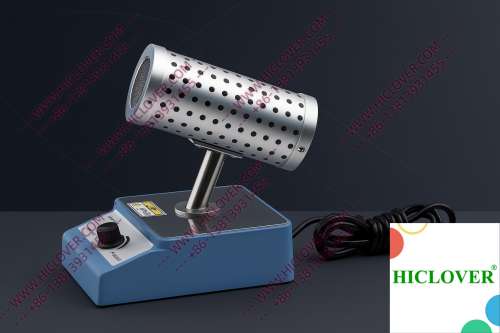
The Micro Incinerator operates on the principle of rapid thermal sterilization through infrared heat, which is generated within an enclosed ceramic heating chamber. Unlike traditional flame sterilizers, which can introduce contaminants through open flames, the micro incinerator ensures aerosol-free handling. This innovation minimizes the risk of airborne contamination in clean bench environments while delivering effective disinfection at high temperatures.
- Infrared Heating: Provides quick and consistent heating, ensuring rapid sterilization without the risk of residual contamination.
- Ceramic Tube Design: Offers a safe, enclosed space for waste materials, significantly reducing the threat of open flames in laboratories.
- Portability: Ideal for mobile and field testing with easy transportation to various lab locations, including remote areas.
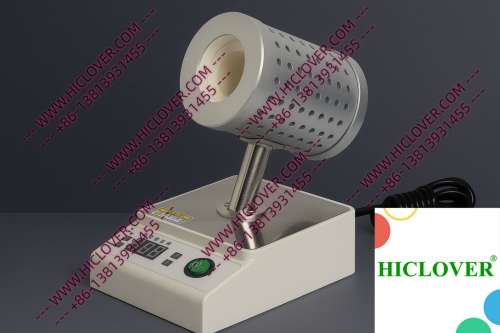
The design configurations accommodate different laboratory requirements, making the Micro Incinerator particularly suitable for various settings ranging from university teaching labs to clinical diagnostics. These incinerators are often compact and lightweight, allowing for seamless integration into existing biosafety cabinets or as standalone units in mobile lab setups.
Application Scenarios in Real Labs
1. Laboratory Biosafety Cabinets
In BSL-2 laboratories, where biological agents pose moderate risks, integrating the Micro Incinerator allows for efficient sterilization of inoculating loops and other equipment directly within biosafety cabinets. The enclosed ceramic tube reduces the likelihood of airborne pathogens escaping during sterilization, adhering to WHO biosafety recommendations.
2. Field Testing and Teaching Labs
In the context of field testing, microbiologists can easily utilize micro incinerators for on-the-spot sterilization. These devices are equally beneficial in teaching labs, where students learn sterilization techniques. The Micro Incinerator facilitates a learning environment that emphasizes safety and efficiency by eliminating the hazards associated with alcohol lamps and Bunsen burners.
Compliance and Environmental Considerations
Incorporating advanced sterilization solutions like the Micro Incinerator aligns with global and national lab sterilization standards. The product not only abides by WHO biosafety protocols but also offers significant environmental advantages. As the Philippines grapples with waste management issues, utilizing portable incinerators transforms laboratory waste into energy while drastically reducing potential environmental contamination linked to traditional waste disposal methods. This dual function heightens compliance with environmental regulations aimed at minimizing harmful emissions.
“The integration of micro incinerators in laboratory settings highlights the importance of adhering to strict biosafety and environmental standards while enhancing laboratory functionality.” – Laboratory Safety Expert
Micro Incinerator vs. Traditional Flame Sterilizers
| Feature | Micro Incinerator | Flame Sterilizer |
|---|---|---|
| Safety | Aerosol-free handling, no open flame | Risk of burns and contamination from open flames |
| Portability | Lightweight and compact | Typically heavier and bulkier |
| Efficiency | Rapid thermal sterilization | Longer heating times |
| Environmental Impact | Waste-to-energy capability | Standard waste disposal |
Frequently Asked Questions
- What is a Micro Incinerator used for? – Primarily used for the sterilization of inoculating loops and other laboratory tools, ensuring rapid thermal disinfection.
- How does a Micro Incinerator differ from flame sterilizers? – It utilizes infrared heating for rapid sterilization without the risks of open flames.
- Is the Micro Incinerator suitable for clinical diagnostics? – Yes, its portability and efficiency make it ideal for clinical diagnostic labs.
- How does the Micro Incinerator enhance laboratory safety? – By eliminating open flames, it reduces the risk of burns and environmental contamination.
- Can it be used in field testing scenarios? – Absolutely, the device is designed for portability, making it perfect for mobile lab applications.
Conclusion
The Micro Incinerator presents a modern solution to the evolving challenges of laboratory sterilization, especially in regions like the Philippines where both environmental sustainability and laboratory safety are crucial. This innovative equipment not only addresses the stringent demands of laboratory workflows but also contributes positively to waste management efforts. If you are considering upgrading your laboratory sterilization equipment or looking for portable energy solutions, reach out to us for personalized guidance and high-quality Micro Incinerators tailored to your needs.
Categories:
Tags: