
In the world of laboratory sterilization, the increasing demand for biosafety and contamination control is driving innovations in sterilization technology. Laboratories across various sectors, including clinical diagnostics and microbiology, are facing significant challenges in maintaining effective sterilization workflows. One such innovation that has emerged as a solution is the 950°C Micro Incinerator, particularly the Infrared Inoculating Loop Sterilizer.
Understanding the Technical Principles
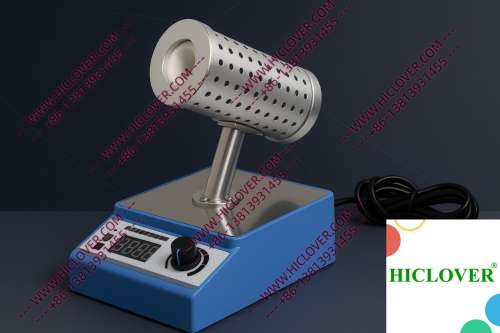
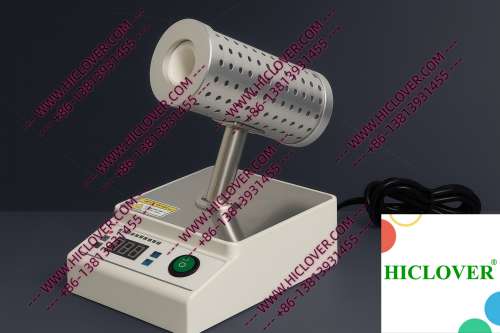
The Infrared Inoculating Loop Sterilizer operates on the principle of rapid thermal sterilization using a high-temperature infrared system. This unique device utilizes a ceramic heating chamber, allowing the sterilization of inoculating loops and other equipment without the need for an open flame. Consequently, it significantly minimizes the risks associated with aerosol production during sterilization, an essential requirement in both BSL-2 and BSL-3 microbiology labs.
This advanced micro incinerator can reach up to 950°C quickly, ensuring high-temperature disinfection of instruments in just seconds. The enclosed design not only enhances safety but also provides consistent and reliable sterilization outcomes. Moreover, the energy-efficient ceramic design translates into lower operational costs while contributing to sustainable practices in laboratory settings.
Real-World Applications
- Biosafety Cabinet Usage: In biosafety cabinets, cleanliness is paramount. The Micro Incinerator can be used to sterilize inoculating loops and tools without introducing contaminants. The absence of flames makes it safe for use in clean environments where minimizing aerosol generation is critical.
- Field Testing Laboratories: Micro incinerators are valuable in field testing scenarios where portability and reliability are required. Their lightweight design allows researchers to sterilize tools on-site, enhancing efficiency by eliminating the need for cumbersome traditional sterilizers or flame sources.
- What are the typical applications of the Micro Incinerator? The Micro Incinerator is primarily used for sterilizing inoculating loops, tools, and equipment in laboratories, biosafety cabinets, and field settings.
- Why is it preferred over traditional flame sterilizers? Its fast sterilization capabilities, enhanced safety features, and reduced contamination risks make it a superior choice in many laboratory environments.
- How does it comply with safety regulations? It meets various lab sterilization standards and is compliant with WHO biosafety guidelines, particularly in sensitive environments.
- Can it be used in universities for teaching purposes? Absolutely! In university laboratories, the Micro Incinerator provides a safe and efficient means of demonstrating sterilization techniques without the hazards associated with open flames.
- Is the Micro Incinerator environmentally friendly? Yes, by eliminating the use of flammable materials and reducing energy consumption, it supports more sustainable laboratory practices.
Safety Compliance and Environmental Considerations
Compliance with international biosafety and sterilization standards is essential for laboratory operations. The World Health Organization (WHO) emphasizes the importance of effective sterilization practices to prevent contamination and ensure safety in laboratory settings. Micro incinerators comply with various lab sterilization standards, reducing the risks associated with traditional flame sterilizers such as alcohol lamps and Bunsen burners.
In cleanroom environments and CO₂ incubators, the use of flame sterilizers is often restricted due to the risk of particulate contamination and fire hazards. The Micro Incinerator, with its no-flame design, is ideal for ensuring safe operation in these sensitive environments. This characteristic contributes to environmental sustainability by eliminating the need for hazardous fuels, thus supporting waste-to-energy initiatives.
Advantages over Traditional Flame Sterilizers
When comparing the Micro Incinerator to traditional flame sterilizers, several advantages stand out:
| Feature | Micro Incinerator | Flame Sterilizers |
|---|---|---|
| Temperature Range | Up to 950°C | Varies (typically <400°C) |
| Safety | No flame; enclosed design | Open flame; risk of accidents |
| Contamination Control | Aerosol-free handling | Possible aerosol generation |
| Operational Cost | Energy-efficient | Higher fuel costs |
Frequently Asked Questions
Conclusion
The 950°C Micro Incinerator represents a significant advancement in laboratory sterilization technology. By integrating safety, efficiency, and compliance in one compact design, it meets the modern demands of laboratory biosafety. Whether you are operating in a clinical diagnostics environment, a BSL-2 microbiology lab, or an educational institution, the Micro Incinerator enhances your sterilization workflow while contributing towards sustainable laboratory practices. For inquiries or purchases, please contact us to learn how the Micro Incinerator can revolutionize your laboratory’s sterilization capabilities.
Categories:
Tags: