
Laboratories face unique biosafety challenges, particularly when it comes to sterilizing inoculating loops and generalized lab equipment. Traditional flame sterilizers, like Bunsen burners and alcohol lamps, have dominated the sterilization landscape for decades, but they bring with them potential contamination risks and limitations in controlled environments. Innovatively, the Micro Incinerator or Infrared Inoculating Loop Sterilizer is emerging as a game-changer, designed to meet the rigorous demands of modern laboratory workflows while enhancing biosafety.
Technical Principles Behind Infrared Sterilization
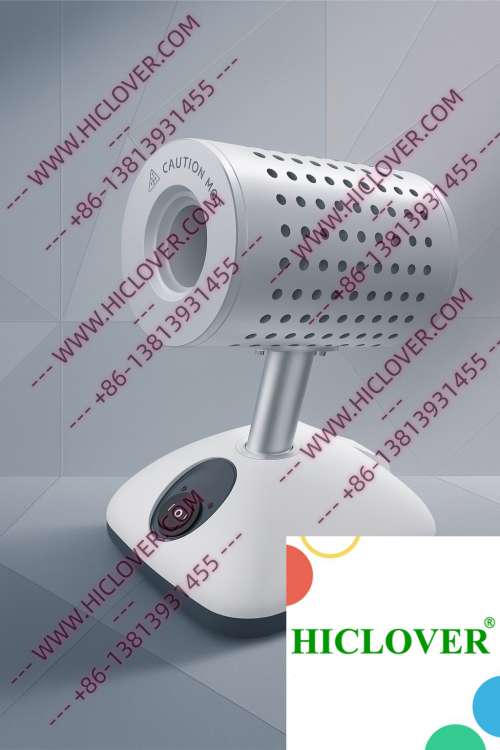
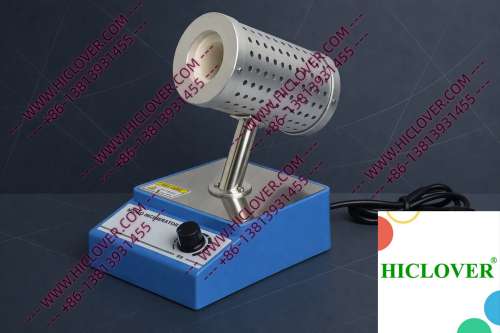
The Micro Incinerator utilizes rapid thermal sterilization technology that effectively eliminates microbial life through infrared high-temperature disinfection. Through an enclosed ceramic heating chamber, the device can achieve sterilization temperatures exceeding 800°C in a matter of seconds. The infrared heat generated is focused efficient, ensuring that laboratory tools are sterilized without the excess heat that can occur with traditional flame-based methods.
The compact design of the Micro Incinerator allows for safe operation within biosafety cabinets and clean rooms, where flame usage is often prohibited. Furthermore, the aerosol-free handling minimizes the risk of airborne contamination, a critical concern in sensitive laboratory environments.
Key Features of the Micro Incinerator
- Rapid Sterilization: Sterilizes tools in seconds.
- Infrared Heating: Ensures uniform, high-temperature disinfection.
- Enclosed Design: Eliminates open flames and reduces contamination risk.
- Portable/Compact: Fits easily into any laboratory space.
- Energy Efficient: Reduced energy consumption compared to traditional methods.
- What is the sterilization time of the Micro Incinerator?
The Micro Incinerator can achieve sterilization in mere seconds, significantly faster than traditional methods. - Can the Micro Incinerator be used in a biosafety cabinet?
Yes, the compact design allows for safe operation within biosafety cabinets. - What are the operating costs associated with the Micro Incinerator?
It is an energy-efficient device that generally incurs lower operational costs compared to flame sterilizers. - Is it suitable for field testing environments?
Definitely! Its portable design makes it ideal for mobile laboratories and field applications. - How does the Micro Incinerator ensure safety during use?
Its enclosed environment eliminates open flames, minimizing safety risks while enhancing contamination control.
Applications in Real Labs
Two key scenarios where the Micro Incinerator has shown immense benefits are in BSL-2 microbiology labs and university teaching labs.
Scenario 1: BSL-2 Microbiology Labs
In BSL-2 laboratories, personnel work with moderate-risk pathogens. The Micro Incinerator’s touchless operation facilitates the rapid sterilization of inoculating loops and other tools without the risk of contamination that comes from flame sterilizers. As these labs require strict compliance with WHO biosafety standards, the non-open flame characteristic of the Micro Incinerator ensures that the sterile field remains uncontaminated. Moreover, the infrared sterilization method is ideal for applications that involve media preparation and microbial culture work.
Scenario 2: University Teaching Labs
In educational settings, where students are taught microbiological techniques, the convenience and safety of using a Micro Incinerator are invaluable. Instructors can demonstrate sterilization techniques without the dangers associated with traditional flames. The compact design fits conveniently in teaching labs, providing students with a clear view of the sterilization process, while being environmentally conscious by using wireless operation capabilities when necessary.
Compliance and Environmental Standards
Ensuring that laboratory practices comply with international biosafety and sterilization standards is vital. The use of the Micro Incinerator aligns perfectly with WHO biosafety regulations, reinforcing best practices in contamination control. This device is particularly suited for environments like clean rooms, where open flames are not permitted. Additionally, the smog-free operation of the Micro Incinerator contributes to a safer, more sustainable laboratory environment when compared to traditional methods.
Comparative Analysis: Micro Incinerator vs. Traditional Flame Sterilizers
| Feature | Micro Incinerator | Traditional Flame Sterilizers |
|---|---|---|
| Flame-Free Operation | Yes | No |
| Rapid Sterilization Time | Seconds | Seconds to Minutes |
| Energy Efficiency | High | Lower |
| Aerosol-Free Handling | Yes | Depends on Technique |
| Portability | High | Low |
FAQs about the Micro Incinerator
Conclusion
The transition from traditional flame sterilization to advanced devices like the Micro Incinerator represents a significant leap forward in laboratory safety and efficiency. With its unparalleled rapid sterilization capabilities, aerosol-free operation, and meticulous compliance with biosafety standards, it is clear that this innovation is an essential addition to any progressive laboratory setup. For laboratories aiming to enhance workflow and safety, now is the time to consider implementing the Micro Incinerator into your sterilization processes. Contact us today to learn more about how this essential equipment can revolutionize your lab!
Categories:
Tags: