
In today’s fast-paced laboratory environment, maintaining biosafety while providing effective sterilization solutions is paramount, especially in veterinary practices and microbiology labs. The challenge of managing biological waste and ensuring rapid thermal sterilization often falls on the shoulders of laboratory technicians who must balance workflow efficiency with stringent compliance requirements. This is where the Micro Incinerator, or Infrared Inoculating Loop Sterilizer, comes into play as a transformative solution.
Understanding Micro Incinerators: Technical Principles
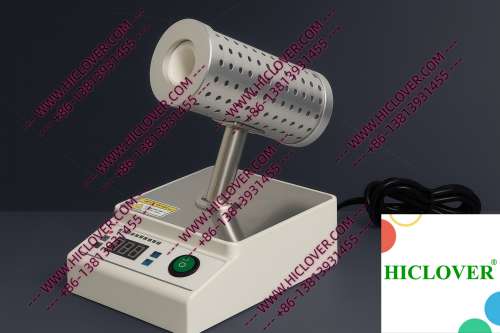
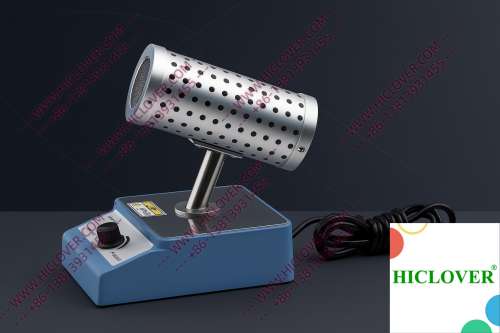
The Micro Incinerator operates on the principle of infrared heat, utilizing an enclosed ceramic tube for effective sterilization. Unlike traditional flame sterilizers, such as alcohol lamps and Bunsen burners, which pose risks of contamination and inconsistencies, the Micro Incinerator provides precise temperature control for high-level disinfection. The ceramic heating element generates uniform heat that ensures rapid thermal sterilization, eliminating pathogens with minimal risk of aerosol generation.
Configurations and Design Features
- Compact and portable: Ideal for both stationary and mobile laboratories.
- Reduced energy consumption: Operates efficiently, yielding lower operational costs.
- Aerosol-free handling: Protects lab personnel and the environment from contamination.
Application Scenarios in Real Labs
Micro Incinerators are increasingly integrated into various laboratory settings, addressing disposal and sterilization challenges across multiple applications, from Biosafety Level 2 (BSL-2) and BSL-3 microbiology labs to veterinary clinics and university teaching labs.
Scenario 1: Utilizing Micro Incinerators in Biosafety Cabinets
In a BSL-2 microbiology lab, the need for contamination control is critical. The Micro Incinerator fits seamlessly into biosafety cabinets, allowing technicians to quickly sterilize inoculating loops and other tools without exposing themselves or the workspace to biological hazards. The compact design and rapid heating capability make it the ideal choice for efficient workflow, ensuring that instruments can be reused immediately after sterilization.
Scenario 2: Field Testing in Veterinary Practices
Field testing often presents unique challenges for veterinarians who must conduct procedures in various environments. The portability of the Micro Incinerator enables veterinarians to sterilize equipment on site, ensuring compliance with health standards while effectively managing waste. Unlike traditional flame devices, the Micro Incinerator allows for safe and clean operations even in the most sensitive ecological areas.
Compliance and Environmental Considerations
Adhering to biosafety standards established by the World Health Organization (WHO) and local regulatory bodies is essential in modern laboratory operations. Laboratories are often required to implement sterilization methods that minimize environmental impact while ensuring personnel safety. The Micro Incinerator is compliant with lab sterilization standards, proving its efficacy as a clean-bench-safe solution that avoids flames in cleanrooms where contamination could compromise experiments and samples.
Additionally, the absence of flame reduces the risk of fire hazards in biomedical settings, making it an indispensable tool for any lab, be it in urban centers like Boston or rural community health facilities.
Advantages Over Traditional Flame Sterilizers
The following table highlights the key differences between Micro Incinerators and traditional flame sterilizers:
| Feature | Micro Incinerator | Flame Sterilizers |
|---|---|---|
| Temperature Control | Precise and uniform | Variable and inconsistent |
| Safety | Aerosol-free, no flame | Fire hazards present |
| Energy Efficiency | Lower consumption | Higher consumption |
| Portability | Compact and mobile | Generally stationary |
FAQs
1. What is the main advantage of using a Micro Incinerator for sterilization?
The primary advantage lies in its precise temperature control and rapid thermal sterilization abilities, which ensure efficient contamination control without the hazards associated with open flames.
2. Can Micro Incinerators be used in field testing?
Yes, their compact and portable design makes them ideal for use in field testing, enabling safe sterilization of equipment in various environments.
3. Are Micro Incinerators compliant with WHO biosafety standards?
Absolutely! Micro Incinerators meet stringent biosafety standards and are designed to operate safely within cleanroom conditions.
4. How does the Micro Incinerator improve laboratory workflow?
By providing a reliable and rapid method for sterilizing tools, the Micro Incinerator minimizes downtime and enhances overall laboratory efficiency, enabling technicians to focus on their critical tasks.
5. Is the Micro Incinerator suitable for use in educational settings?
Yes, it is an excellent tool for university teaching labs, allowing students and educators to practice safe and effective sterilization techniques without the complexities of traditional flame systems.
Conclusion
Micro Incinerators, or Infrared Inoculating Loop Sterilizers, represent a significant evolution in laboratory sterilization equipment. Their unparalleled safety benefits, efficiency in workflow, and environmental compliance make them indispensable tools across a variety of laboratory settings—from BSL-2 microbiology labs to mobile veterinary practices.
If you are looking to enhance your laboratory’s sterilization capabilities, consider investing in a Micro Incinerator today. Reach out to us to explore how these innovative devices can meet your sterilization needs and environmental standards.
Categories:
Tags: