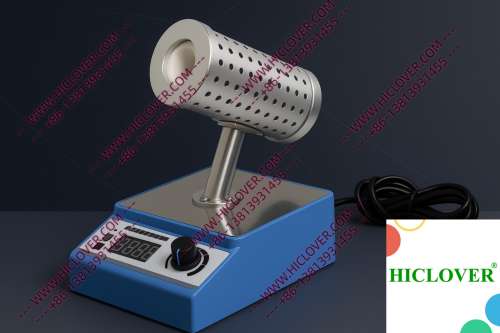
In today’s rapidly evolving laboratory settings, the need for efficient biosafety solutions has never been more critical. Laboratories face constant demands to improve sterilization workflows while adhering to strict safety protocols. Traditional flame sterilizers, like alcohol lamps and Bunsen burners, are not only hazardous but can compromise cleanroom environments. Enter the Micro Incinerator, specifically the Infrared Inoculating Loop Sterilizer—a compact, efficient tool designed to tackle these challenges head-on.
The Technical Principles of Micro Incinerators
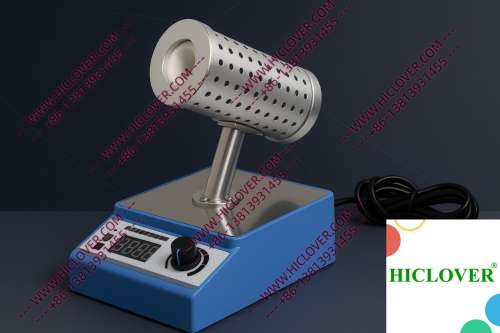
Micro Incinerators utilize advanced infrared heat technology to achieve rapid thermal sterilization without the drawbacks associated with open flames. The ceramic heating chamber reaches high temperatures quickly, allowing for efficient disinfection of inoculating loops and other small instruments used in microbiology labs.
What sets the Micro Incinerator apart is its enclosed ceramic tube, which not only enhances safety by minimizing exposure to open flames but also prevents contamination of sterile surfaces. This design is particularly beneficial in environments where aerosol generation is a concern, thereby facilitating contamination control.
Advantages Over Traditional Flame Sterilizers
- Safety: Eliminates the risk of fire-related accidents.
- Efficiency: Provides rapid sterilization with minimal waiting time.
- Cleanroom Compatibility: Designed for use in BSL-2 and BSL-3 labs where open flames are prohibited.
- Environmentally Friendly: Generates no toxic fumes, making it suitable for sensitive studies.
- Portability: Compact design enables deployment in various settings, including field testing labs.
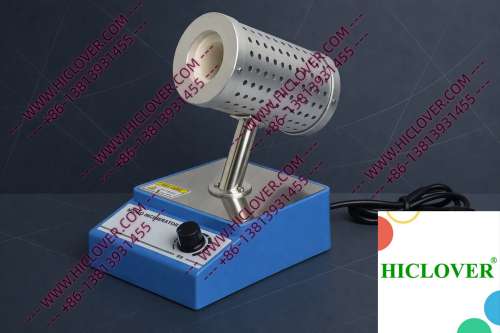
Application Scenarios in Real Labs
The Micro Incinerator is versatile, effectively enhancing sterilization processes across different laboratory environments. Here are two notable use cases:
1. University Teaching Labs
In academic settings, teaching labs often struggle with safe and effective sterilization methods. Students need to learn the fundamentals of microbiological techniques while maintaining high biosafety standards. The Micro Incinerator alleviates these concerns by providing a flame-free option that allows students to safely sterilize their tools without the typical hazards associated with traditional burners.
2. Clinical Diagnostics Labs
Within clinical diagnostics, the Micro Incinerator is indispensable, especially in facilities that test infectious diseases. Its rapid thermal sterilization helps ensure that no pathogens are transferred between samples, thereby supporting accurate diagnoses. Using this equipment within a biosafety cabinet minimizes the risk of aerosols, promoting a safer working environment for laboratory technicians.
Compliance and Environmental Responsibility
Meeting compliance standards set by organizations such as the World Health Organization (WHO) is crucial for laboratory operations. The Micro Incinerator aligns with WHO biosafety guidelines by avoiding the use of open flames in cleanroom settings, thus promoting a safer and more efficient operational framework. Furthermore, it adheres to lab sterilization standards that prioritize environmental safety, making it a responsible choice for laboratories across the globe.
In addition, many countries require stringent measures to control sterilization processes, particularly within BSL-3 environments where contaminants can pose severe health risks. The Micro Incinerator not only meets these compliance requirements but also provides an eco-friendly sterilization method that minimizes waste.
Frequently Asked Questions
What is the operating principle of a Micro Incinerator?
The Micro Incinerator operates using infrared heat to achieve rapid sterilization, eliminating any contaminants on instruments without the use of traditional flames.
Can a Micro Incinerator be used in BSL-3 laboratories?
Yes, it is designed for BSL-2 and BSL-3 laboratories, where compliance with safety and sterilization standards is essential.
How does it help with contamination control?
Its enclosed design prevents aerosol generation, which in turn reduces the risk of contamination when sterilizing inoculating loops and similar tools.
What are the key advantages over traditional flame sterilizers?
Key advantages include enhanced safety, speed of sterilization, compliance with cleanroom regulations, and environmental sustainability.
Is the Micro Incinerator portable?
Yes, its compact design makes it easy to utilize in various laboratory settings, including field testing labs.
Conclusion
The Micro Incinerator represents a significant advancement in laboratory sterilization equipment, transforming the way biosafety challenges are addressed in medical environments. With its technical advantages, diverse applications, and compliance with international safety standards, this innovative tool is essential for modern laboratories. Whether you’re a hospital, university, or research facility, incorporating the Micro Incinerator into your workflows can greatly enhance safety and efficiency.
For more information or to discuss purchasing options, please contact us today and discover how the Micro Incinerator can elevate your laboratory’s sterilization practices.
Categories:
Tags: