
In the fast-paced environment of modern laboratories, ensuring biosafety is paramount. With stringent requirements for sterilization workflows, laboratory professionals face many challenges, including rapid contamination control, ensuring safety during procedures, and managing waste effectively. Among the innovative solutions that address these challenges is the Micro Incinerator, specifically the Infrared Inoculating Loop Sterilizer. This article delves into the science behind these devices and how they enhance sterilization protocols in various laboratory settings.
Understanding Micro Incinerators
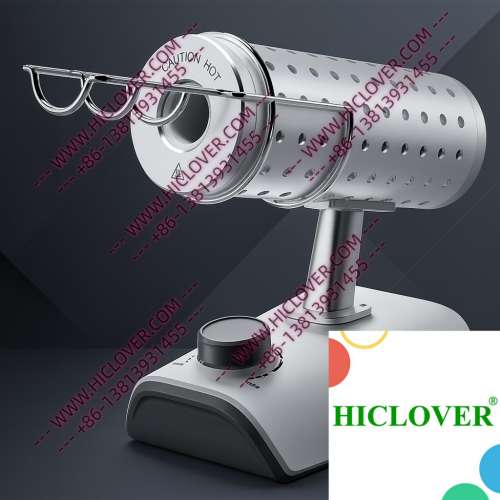
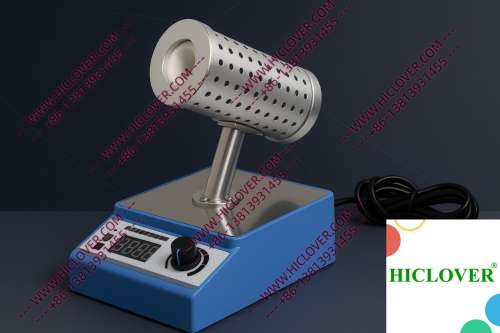
The primary function of a Micro Incinerator is to provide fast and efficient sterilization of inoculating loops, needles, and other instruments without the need for traditional flame-based methods. Utilizing an enclosed ceramic heating chamber, it relies on infrared heat to achieve rapid thermal sterilization, ensuring a clean, safe work environment.
One of the standout features of the Micro Incinerator is its ability to maintain high temperatures (over 800°C) for effective sterilization while simultaneously being clean-bench-safe. This is particularly important in environments where aerosol generation must be controlled to prevent contamination of sensitive experiments or clinical samples.
Key Advantages Over Traditional Flame Sterilizers
- Safety: The absence of open flames significantly reduces fire hazards.
- Efficiency: Rapid heating minimizes wait times, speeding up laboratory workflows.
- Consistency: Infrared technology ensures uniform heating, leading to reliable sterilization results.
- Environmentally Friendly: Reduces the risk of carbon emissions compared to traditional alcohol lamps or Bunsen burners.
Real-World Applications in Laboratory Settings
Application Scenario 1: BSL-2 / BSL-3 Microbiology Labs
In BSL-2 and BSL-3 microbiology labs, where the handling of pathogenic microorganisms is routine, the Micro Incinerator plays a crucial role. During experiments involving pathogens, disposable loops and tools must be sterilized quickly to prevent cross-contamination. The Micro Incinerator allows researchers to sterilize their instruments immediately before and after use, enhancing workflow efficiency while maintaining strict biosafety protocols.
Application Scenario 2: University Teaching Labs
Educational institutions often face challenges in providing a safe learning environment for students while maintaining effective sterilization protocols. In university teaching labs, the Infrared Inoculating Loop Sterilizer is particularly beneficial. It allows students to engage in hands-on activities with microbiological techniques without the risks associated with traditional flame sterilizers. Instructors can demonstrate sterilization methods safely and effectively, ensuring students gain insight into biosafety practices.
Biosafety Compliance and Environmental Considerations
Laboratory sterilization methods are guided by regulations from authorities such as the World Health Organization (WHO), which outlines standards for biosafety. Compliance with these standards is crucial, particularly in environments where precision and safety are paramount, like BSL-3 laboratories. Using a Micro Incinerator supports compliance by enforcing proper sterilization protocols and reducing the risk of aerosol contamination compared to conventional methods.
Moreover, the shift away from flame sterilizers addresses cleanroom requirements where open flames are prohibited. This makes the Micro Incinerator an ideal solution for laboratories utilizing CO₂ incubators or operating within anaerobic chambers.
Comparison: Micro Incinerator vs. Flame Burners
| Feature | Micro Incinerator | Flame Burners |
|---|---|---|
| Heating Method | Infrared heating | Open flame |
| Safety Level | Higher (no open flames) | Lower (fire risk) |
| Sterilization Speed | Rapid | Variable |
| Contamination Control | Effective | Limited (risk of aerosols) |
| Environmental Impact | Lower emissions | Higher emissions |
Frequently Asked Questions About Micro Incinerators
What are the main benefits of using a Micro Incinerator over conventional flame sterilizers?
The key benefits include enhanced safety due to the absence of open flames, rapid sterilization capabilities, consistent and reliable results, and reduced environmental impact.
Can a Micro Incinerator be used in a cleanroom environment?
Yes, Micro Incinerators are designed to meet cleanroom requirements, making them suitable for use in environments where open flames would be inappropriate.
How does the Micro Incinerator ensure effective sterilization?
By utilizing infrared heat within an enclosed ceramic chamber, the Micro Incinerator achieves high temperatures rapidly, ensuring thorough sterilization of instruments.
Are Micro Incinerators compliant with WHO biosafety standards?
Yes, they comply with WHO standards and are ideal for BSL-2 and BSL-3 laboratory environments where biosafety is critical.
What types of instruments can be sterilized using a Micro Incinerator?
Micro Incinerators can effectively sterilize inoculating loops, needles, and other small lab tools used in microbiology and clinical diagnostics.
Conclusion
As laboratory safety and sterilization standards continue to evolve, the role of advanced sterilization equipment such as the Micro Incinerator becomes increasingly significant. By transitioning from traditional flame-based methods to this innovative solution, laboratories can enhance their biosafety protocols while ensuring efficient and rapid sterilization. For professionals seeking to elevate their laboratory’s safety and efficiency, investing in a Micro Incinerator is a step toward safer and more reliable operations.
To learn more about the advantages of Micro Incinerators or to make a purchase, don’t hesitate to reach out. Your laboratory’s safety is our priority!
Categories:
Tags: