
In today’s demanding laboratory environment, the challenge of maintaining biosafety and effective sterilization practices is paramount. Traditional sterilization methods such as Bacti-Cinerators and flame sterilizers like alcohol lamps and Bunsen burners pose significant risks in terms of contamination control and operational workflow. As research progresses, innovative solutions are emerging to meet these challenges—a prime example being the Micro Incinerator or Infrared Inoculating Loop Sterilizer, a modern alternative that enhances laboratory safety and efficiency.
The Innovation Behind Micro Incinerators
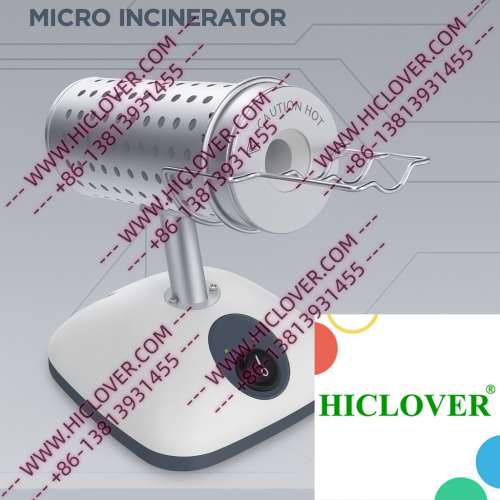
The Micro Incinerator, also known as the Infrared Inoculating Loop Sterilizer, utilizes advanced infrared technology to achieve rapid thermal sterilization. Unlike open flame methods that can introduce aerosols or require extensive cleanup, the Micro Incinerator employs a closed ceramic tube heating chamber that ensures high-temperature disinfection in a controlled environment.
This design minimizes the risk of fire hazards and air pollution, making it a clean-bench-safe option ideal for various laboratory settings. Infrared heat provides immediate and consistent sterilization, making it faster than traditional flame methods. The sterilization cycle can be completed in a matter of seconds, thereby enhancing productivity and ensuring reliable contamination control.
Applications in Real Labs
Biosafety Cabinets
One critical application of the Micro Incinerator is in BSL-2 and BSL-3 microbiology labs. In these controlled biosafety environments, researchers often handle pathogenic microorganisms that require strict sterilization protocols. The Micro Incinerator allows for safe inoculation loop sterilization within the confines of a biosafety cabinet, eliminating any risk of contamination caused by open flame methods.
Field Testing and Teaching Labs
In field testing scenarios, where mobility is crucial, the compact size and portability of the Micro Incinerator make it an ideal choice. Researchers can utilize this device to sterilize tools on-site, ensuring that samples collected during environmental studies remain uncontaminated. Furthermore, in university teaching labs, instructors can demonstrate microbial techniques without the risk of fire, significantly enhancing student safety while maintaining the integrity of the educational process.
Biosafety Compliance and Environmental Considerations
In the context of laboratory sterilization, compliance with regulatory standards such as those set by the World Health Organization (WHO) is of utmost importance. The Micro Incinerator not only aligns with WHO biosafety guidelines but also adheres to stringent sterilization standards necessary for laboratories managing infectious agents. For example, in clean rooms where no flame is allowed, using an infrared sterilizer eliminates the risk of compromising sterile conditions.
By transitioning to infrared sterilization technology, laboratories can support a sustainable approach to sterilization, reducing the potential for hazardous waste typically associated with open flame operations. This environmental consideration is crucial, particularly in urban areas like New York City or London, where strict regulations on laboratory emissions are enforced.
FAQs About Micro Incinerators
- What is the main advantage of a Micro Incinerator over flame sterilizers?
The primary advantage is its rapid thermal sterilization without the risks associated with open flames, such as contamination and fire hazards. - Can a Micro Incinerator be used in BSL-3 labs?
Yes, it is an ideal sterilization tool in BSL-3 labs due to its safety compliance and efficiency in high-stakes environments. - How does infrared heating work in the context of sterility?
Infrared heating operates by generating heat through electromagnetic radiation, effectively sterilizing inoculating loops in seconds. - Is the Micro Incinerator safe for field operations?
Absolutely, its portable design and closed heating chamber make it safe and practical for field testing. - What are the maintenance requirements for a Micro Incinerator?
Minimal maintenance is required, mainly focusing on keeping the ceramic tube clean and free of residue.
Comparative Insights: Micro Incinerator vs. Flame Burners
| Features | Micro Incinerator | Flame Sterilizers |
|---|---|---|
| Safety | Non-flame, low risk of fire | Open flame, high fire hazard |
| Efficiency | Rapid, instant thermal sterilization | Variable speed; slower heating |
| Contamination Control | Minimized aerosol release | Higher risk of contamination |
| Support for Clean Environments | Yes, safe for clean rooms | No, not permitted in clean environments |
Conclusion
In an era of advancing scientific practices, the Micro Incinerator stands out as a pivotal tool for laboratory sterilization, addressing both safety concerns and workflow efficiencies. By choosing infrared inoculating loop sterilizers over traditional flame options, laboratories can ensure a safer working environment that meets stringent compliance standards while promoting rapid, effective sterilization processes.
For laboratories eager to upgrade their sterilization equipment to meet modern-day demands, investing in a Micro Incinerator is a game-changing decision. Contact us today to learn more about our offerings and secure your laboratory’s success in safety and efficiency!
Categories:
Tags: