
As laboratory biosafety challenges intensify, the demand for effective sterilization workflows grows significantly. Proper sterilization methods are crucial in laboratories, especially in BSL-2 and BSL-3 microbiology settings, where the potential for contamination must be meticulously managed. Traditional flame sterilizers, while effective, pose risks such as producing aerosols, generating residual heat, and requiring flammable materials. In contrast, modern sterilization solutions like infrared inoculating loop sterilizers are revolutionizing the landscape of laboratory sterilization equipment.
Technical Principles of Infrared Loop Sterilizers
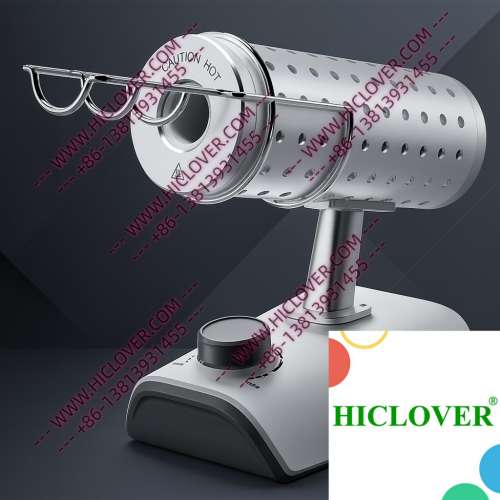
The infrared inoculating loop sterilizer, commonly referred to as a micro incinerator, operates on a unique principle: rapid thermal sterilization using focused infrared heat. Instead of employing flames like Bunsen burners or alcohol lamps, the micro incinerator utilizes a ceramic heating chamber that generates high temperatures almost instantaneously. The enclosed design minimizes the risk of contamination, ensuring that microorganisms are effectively eliminated. This innovative design promotes aerosol-free handling and maintains a clean working environment, which is particularly vital in clean rooms and biosafety cabinets.
Applications in Real-World Laboratories
- Biosafety Cabinets: In a BSL-2 laboratory, researchers frequently use biosafety cabinets to protect themselves and their samples from contamination. The micro incinerator fits seamlessly into this context, allowing for quick and effective sterilization of inoculating loops and other tools without the hazards associated with flame sterilization.
- Field Testing: In mobile lab setups for field testing, sterilization becomes a logistical challenge. The compact and portable design of micro incinerators makes them ideal for fieldwork. They provide reliable sterilization without the need for an open flame, which is not only safer but also complies with stringent environmental safety standards.
Environmental Compliance and Standards
Adhering to international biosafety standards, such as those set by the World Health Organization (WHO) and the Centers for Disease Control and Prevention (CDC), is essential for any laboratory involved in clinical diagnostics or research. The micro incinerator not only meets but exceeds many of these standards. By eliminating flame use, it safeguards clean rooms and minimizes the risk of chemical contamination, making it a preferred choice for modern laboratories. Furthermore, labs in urban centers such as New York City or London are increasingly adopting such technologies to align with local regulations aimed at reducing environmental impact.
Advantages Over Traditional Sterilizers
Micro Incinerator vs. Traditional Flame Sterilizers:
| Feature | Micro Incinerator | Traditional Flame Sterilizers |
|---|---|---|
| Heat Source | Infrared ceramic heating | Open flame |
| Contamination Risk | Low (aerosol-free) | High (aerosol generation) |
| Response Time | Almost instantaneous | Slower, depends on ignition |
| Safety | Clean-bench-safe | Burn risk, environment pollution |
| Operational Environment | Ideal for clean rooms | Not suitable for enclosed spaces |
Frequently Asked Questions
- What is the primary benefit of using a micro incinerator over a Bunsen burner?
The primary benefit is the reduction of aerosol generation, leading to a cleaner and safer work environment. - Can a micro incinerator be used in field testing?
Yes, its compact design makes it ideal for mobile laboratories and field testing environments. - How long does it take for the micro incinerator to reach operational temperature?
The micro incinerator reaches operational temperature almost instantly, significantly improving workflow efficiency. - Is the micro incinerator compliant with WHO biosafety standards?
Yes, it complies with many international biosafety standards, making it suitable for use in various laboratory settings. - What maintenance does the micro incinerator require?
Regular cleaning of the ceramic tube and periodic checks on electrical components are advisable to ensure optimal performance.
Conclusion
The micro incinerator represents a significant advancement in laboratory sterilization equipment, aligning with evolving biosafety protocols and environmental standards. As laboratories continue to face biosafety challenges, investing in a micro incinerator can streamline sterilization workflows and enhance safety protocols. Whether you’re operating in a university teaching lab or conducting field tests in remote locations, this innovative technology is essential for maintaining the integrity of your research. For interested buyers, please reach out for further information or purchase inquiries about our high-quality micro incinerators – gear up for a greener future today!
Categories:
Tags: