
In today’s fast-paced world, laboratories face increasing biosafety challenges while ensuring effective sterilization workflows. As healthcare professionals strive to maintain the highest standards of safety and efficiency, the push towards environmentally friendly solutions has sparked interest in sustainable laboratory practices. One of the most innovative technologies leading this transformation is the Micro Incinerator / Infrared Inoculating Loop Sterilizer. This article will explore the technical principles, applications, compliance standards, and benefits surrounding this advanced sterilization equipment.
Understanding the Technical Principles of Infrared Sterilization
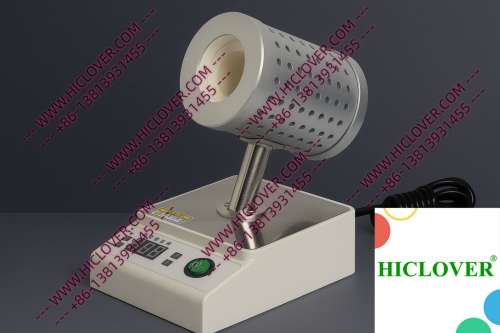
The Micro Incinerator employs an advanced heating mechanism that utilizes infrared technology for rapid thermal sterilization. Its enclosed ceramic heating chamber delivers high-temperature disinfection while minimizing any risk of contamination. Unlike traditional flame sterilizers like alcohol lamps or Bunsen burners, this device ensures a clean-bench-safe environment, allowing for aerosol-free handling of microbial cultures.
The infrared heat generated by the specialized emitter provides uniform temperatures, conducive to effective sterilization of inoculating loops, needles, and other lab equipment. This direct approach means that the sterilizing process is both efficient and energy-saving, aligning perfectly with current demands for sustainability in healthcare.
Applications in Real Laboratory Settings
- Biosafety Cabinets: In BSL-2 and BSL-3 microbiology labs, the Micro Incinerator is invaluable. It not only effectively sterilizes equipment but also maintains the integrity of the clean area. Its compact design fits seamlessly within the cabinet, ensuring that the work environment is not compromised.
- Teaching Laboratories: University laboratories emphasizing sterile technique education utilize the Micro Incinerator for safe inoculation practices. Students can observe the rapid sterilization of loops with confidence, knowing that they are learning in a biosafe environment.
- Mobile Testing Labs: In field-testing scenarios, this portable sterilizer provides reliable and efficient sterilization options without reliance on open flames. It is perfect for operations that demand mobility while adhering to best practices in contamination control.
- What types of samples can be sterilized using the Micro Incinerator?
The Micro Incinerator is ideal for sterilizing inoculating loops, needles, and other lab instruments that require a flame-free sterilization process. - Is the Micro Incinerator suitable for BSL-3 laboratories?
Yes, the Micro Incinerator is designed to meet the stringent safety requirements of BSL-2 and BSL-3 laboratories, providing a reliable method for equipment sterilization. - How does the energy consumption of the Micro Incinerator compare to traditional methods?
The Micro Incinerator is more energy-efficient than traditional flame sterilizers, reducing operating costs and environmental impact. - Can the Micro Incinerator be used in educational settings?
Absolutely! It is an excellent choice for university teaching labs where students can learn sterile techniques in a safe environment. - How do I maintain the Micro Incinerator?
Maintenance is minimal, but regular cleaning of the ceramic heating chamber and ensuring proper function of the infrared emitter is recommended.
Compliance and Environmental Considerations
Adhering to international biosafety standards is crucial in laboratory settings. Organizations like the World Health Organization (WHO) emphasize the importance of stringent sterilization practices to prevent contamination and infection transmission. The Micro Incinerator aligns well with these standards, particularly in laboratories that must maintain a flame-free environment for clean room operations.
Moreover, using the Micro Incinerator helps satisfy lab sterilization standards mandated by regulatory bodies. Its efficient energy use further contributes to carbon footprint reduction, making it a sustainable choice for healthcare institutions. Laboratories can reduce hazardous waste typically associated with chemical disinfectants, aligning perfectly with modern environmental goals.
Advantages of Micro Incinerators Over Traditional Flame Sterilizers
When comparing Micro Incinerators to traditional flame sterilizers, the advantages become clear:
| Feature | Micro Incinerator | Flame Burners |
|---|---|---|
| Energy Efficiency | High | Moderate |
| Safety | Clean-bench-safe | Risk of flame hazards |
| Contamination Control | Minimal risk | Aerosol risk |
| Portability | Highly portable | Limited mobility |
| Maintenance | Low | High |
Frequently Asked Questions
Conclusion: Embrace Sustainable Sterilization Solutions
The shift towards energy-efficient sterilization solutions, such as the Micro Incinerator, is not merely a trend; it’s a necessary evolution in laboratory hygiene and safety practices. With its innovative technology, compliance with global standards, and adaptability across various laboratory settings, the Micro Incinerator offers unmatched advantages for operations demanding high biosafety standards.
If you’re interested in adopting this advanced sterilization equipment for your laboratory or institution, do not hesitate to reach out for more information on purchasing and integration options. Elevate your laboratory’s sterilization processes today!
Categories:
Tags: