
As laboratory standards evolve, professionals face increasing challenges in ensuring biosafety and effective sterilization workflows. Traditional sterilization methods, including alcohol lamps and Bunsen burners, present risks of contamination, flame hazards, and operational inefficiencies. In this context, micro incinerators, particularly the infrared inoculating loop sterilizer, emerge as a pivotal solution. This article explores the advanced sterilization capabilities of micro incinerators, their applications in various settings, compliance standards, and their role in Dubai’s environmental strategy.
The Technical Advantages of Micro Incinerators
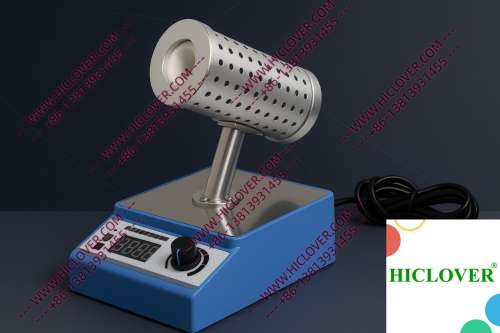
Micro incinerators function on the principle of rapid thermal sterilization. By utilizing an enclosed ceramic tube, these devices achieve high-temperature disinfection through infrared heat. The compact design allows for precise thermal control and minimizes the risk of overexposure, making them ideal for sensitive laboratory environments.
Configuration and Functionality
The infrared inoculating loop sterilizer features an easily replaceable ceramic heating chamber, which rapidly reaches temperatures around 800°C. This design not only enhances efficiency but also ensures that laboratory personnel can sterilize inoculation loops, needles, and other small equipment with aerosol-free handling and without compromising clean bench integrity.
Applications in Various Laboratory Settings
Biosafety Cabinet Integration
In a BSL-2 or BSL-3 microbiology lab, the need for strict contamination control is paramount. Micro incinerators can be integrated seamlessly into biosafety cabinets, providing a sterile environment for manipulating pathogens. Their flameless operation eliminates the risk of igniting flammable materials and maintains the integrity of the clean environment.
Field Testing and Teaching Labs
In mobile or field testing labs, the portability of a micro incinerator enables on-site sterilization, which is crucial for minimizing contamination risks. Teaching labs at universities also benefit; students can learn best practices in microbiological techniques while utilizing safe and efficient sterilization methods that adhere to modern biosafety standards.
Compliance with International Standards
Compliance with established biosafety and sterilization standards is critical for laboratory operations. The World Health Organization (WHO) provides guidelines to ensure sterilization processes are safe and effective, particularly in clinical diagnostics and research labs.
Key Benefits of Micro Incinerators
- Reduced contamination risk: Flameless design enhances safety.
- Energy efficiency: Infrared heat delivers rapid thermal sterilization.
- Compact and portable: Suited for various laboratory environments.
- Improved usability: Simplifies sterilization workflows.
Micro Incinerator vs. Traditional Flame Sterilizers
| Feature | Micro Incinerator | Flame Sterilizers |
|---|---|---|
| Risk of Contamination | Low | High |
| Operational Efficiency | High | Moderate |
| Fume Emission | None | Presence of hazardous fumes |
| Energy Consumption | Low | Moderate to High |
| Portability | Excellent | Poor |
Environmental Impact and the Future
The need for environmentally friendly solutions has never been greater, especially in rapidly developing regions like Dubai. The adoption of micro incinerators aligns with Dubai’s green initiatives, reducing greenhouse gas emissions and promoting sustainable laboratory practices. By moving away from traditional flame sterilization methods, laboratories contribute to a cleaner, safer environment.
Frequently Asked Questions
What are the advantages of using micro incinerators over traditional methods?
Micro incinerators provide numerous benefits including improved safety, lower contamination risks, energy efficiency, and higher operational effectiveness compared to flame-based methods.
Can micro incinerators be used in BSL-3 labs?
Yes, micro incinerators are suitable for BSL-3 labs. Their flameless design makes them a safe choice for environments handling pathogenic microorganisms.
How does the infrared heating mechanism work?
The infrared heating mechanism rapidly elevates the temperature in the ceramic chamber, providing efficient sterilization without producing harmful aerosols or flames.
Conclusion: Enhancing Laboratory Safety and Sustainability
Micro incinerators, specifically designed for laboratory sterilization, represent a forward-thinking shift towards safer, more sustainable laboratory practices. As Dubai strengthens its environmental strategies, the integration of such innovative technologies into laboratory systems is not only a matter of compliance but also a commitment to superior biosafety and environmental stewardship. If you’re looking to upgrade your laboratory sterilization processes, consider investing in a micro incinerator. Contact us today to explore our range of products tailored to your needs.
Categories:
Tags: