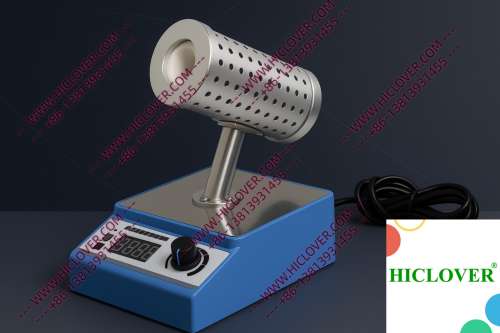
In today’s laboratory environments, ensuring biosafety and efficient sterilization protocols is of utmost importance. As hospitals across America strive to minimize the risk of contamination, advanced sterilization solutions are becoming vital tools in laboratory settings. Among these innovations, the Micro Incinerator, or Infrared Inoculating Loop Sterilizer, is gaining prominence for its ability to streamline the sterilization process while adhering to stringent biosafety standards.
Laboratory Biosafety Challenges and Workflow Demands
The rise of hospital-acquired infections and stringent regulatory requirements necessitate that healthcare facilities adopt robust sterilization methods. Traditional flame-based sterilizers, such as Bunsen burners and alcohol lamps, while widely used, present several challenges:
- Production of aerosols, increasing contamination risks.
- Inconsistent heating, leading to inadequate sterilization.
- Potential safety hazards associated with open flames, particularly in BSL-2 and BSL-3 environments.
Switching to an infrared inoculating loop sterilizer addresses these issues, providing a safer and more effective solution to laboratory sterilization challenges.
Technical Principles of Infrared Inoculating Loop Sterilizers
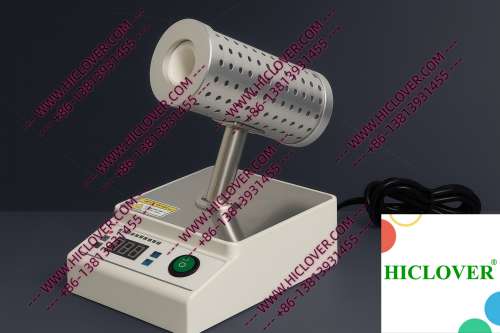
The operation of the Micro Incinerator relies on cutting-edge technology that utilizes infrared heat for rapid thermal sterilization. Unlike traditional flame sterilizers, these devices feature:
- Enclosed Ceramic Tube: The sterilization process occurs within a sealed heating chamber, minimizing the risk of aerosol dispersal.
- High-Temperature Disinfection: Infrared radiation reaches target temperatures quickly, ensuring effective destruction of microbial life within seconds.
This enclosed design allows for clean-bench-safe operations, making it suitable for contamination-sensitive environments and workflows.
Practical Applications in Real Laboratories
The versatility of Micro Incinerators allows for varied applications across laboratory settings. Here are two key scenarios:
1. Biosafety Cabinets
In BSL-2 microbiology labs, utilizing an infrared inoculating loop sterilizer within a biosafety cabinet enables researchers to perform operations without the risk of flame-related hazards. The ability to operate in a contained environment where aerosol generation is minimized enhances overall biosafety protocols.
2. Field Testing and Teaching Labs
For clinical diagnostics and field testing, portability is critical. Micro Incinerators are lightweight and easy to transport, making them ideal for mobile testing units and university teaching labs. Students can learn proper inoculation techniques without the added risks associated with flames, fostering a safer educational environment.
Compliance with Regulatory Standards
As laboratories adapt to evolving safety standards, compliance with WHO biosafety regulations and local guidelines remains a priority. The use of Micro Incinerators aligns with international best practices, addressing the need for flame-free environments in clean rooms and laboratories.
Furthermore, adherence to lab sterilization standards—such as ISO 15883 for washer-disinfectors and ANSI/AAMI ST79 for steam sterilization—can also be achieved through these advanced sterilization devices.
Advantages Over Traditional Flame Sterilizers
When comparing Micro Incinerators to traditional flame sterilizers, several advantages become evident:
| Feature | Micro Incinerator | Flame Sterilizers |
|---|---|---|
| Heat Consistency | High-temperature, uniform | Variable, dependent on fuel |
| Aerosol Generation | None | High |
| Portability | Highly portable | Heavy and cumbersome |
| Ease of Use | Simpler, safer operation | Requires experience and caution |
Frequently Asked Questions
What is the typical temperature range for a Micro Incinerator?
The typical operational temperature can range from 800°C to 1000°C, allowing for effective sterilization in seconds.
Are Micro Incinerators safe to use in BSL-3 labs?
Yes, these devices are designed for safe use in high-containment environments and help improve biosafety by eliminating the risks associated with open flames.
How do Micro Incinerators help in reducing contamination?
Their enclosed design prevents aerosol generation and minimizes exposure to harmful pathogens during the sterilization process.
Can these devices be used for teaching purposes?
Absolutely! Their portability and safety features make them ideal for educational labs, enabling students to practice sterile techniques effectively.
Where can I purchase a Micro Incinerator?
Laboratory supply distributors and specialized medical equipment suppliers offer a range of Micro Incinerators. Contact your local representative for availability and pricing options.
Conclusion
The transition to Micro Incinerators is a significant advancement in sterilization technology for American hospitals and laboratories. Their ability to enhance biosafety, ensure compliance with regulations, and provide efficient sterilization workflows highlights their role as an invaluable tool in modern scientific research and clinical settings. To explore our range of Infrared Inoculating Loop Sterilizers or for more information on enhancing your laboratory’s sterilization protocols, please reach out today!
Categories:
Tags: