
In the ever-evolving landscape of laboratory biosafety, laboratories face significant challenges in maintaining cleanliness and ensuring sterilization. With the need for effective laboratory sterilization equipment like the Micro Incinerator or Infrared Inoculating Loop Sterilizer, professionals are looking for innovative solutions that enhance safety, improve workflows, and meet regulatory standards. As Grand Rapids Hospital embraces this cutting-edge technology, it opens new avenues for efficient medical waste management while addressing critical contamination control issues.
The Thermodynamic Principles Behind Micro Incinerators
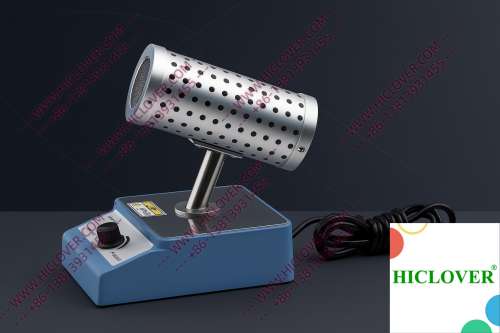
The Micro Incinerator employs advanced infrared heat technology, providing rapid thermal sterilization without the use of open flames. Unlike traditional flame sterilizers such as alcohol lamps or Bunsen burners, the Micro Incinerator features an enclosed ceramic heating chamber, allowing for high-temperature disinfection while minimizing the risk of aerosol contamination. Its design focuses on health safety, making it ideal for laboratories operating under stringent biosafety levels (BSL-2 and BSL-3).
Applications In Diverse Laboratory Settings
The versatility of the Micro Incinerator makes it an invaluable tool across various laboratory environments:
- Biosafety Cabinets: The Micro Incinerator can be employed within biosafety cabinets, providing a flame-free, efficient method for sterilizing inoculating loops and other tools, preventing cross-contamination.
- Field Testing Laboratories: For teams conducting field tests, the compact design of the Micro Incinerator allows for easy transport, ensuring procedural compliance and timely sterilization of tools on-site.
- Teaching Labs: In educational institutions, the Micro Incinerator serves as an excellent tool for training students in safe sterilization practices without exposing them to flame hazards.
- What advantages does the Micro Incinerator offer over traditional sterilizers?
The Micro Incinerator provides instant, flame-free sterilization, reduced aerosol contamination risk, and improved safety in laboratory settings. - Can the Micro Incinerator be used in BSL-3 laboratories?
Yes, the Micro Incinerator is ideal for use in BSL-3 labs due to its enclosed design and enhanced safety features. - How does the Micro Incinerator contribute to environmental sustainability?
With energy-efficient operation and no combustion emissions, the Micro Incinerator supports environmentally friendly materials management in laboratories. - Is training required for using the Micro Incinerator?
While it’s user-friendly, basic operational training is advisable to ensure optimal and safe use of the equipment. - Where can I purchase the Micro Incinerator?
The Micro Incinerator can be sourced through laboratory supply distributors, medical supply chains, and direct from manufacturers.
Compliance with Safety Standards
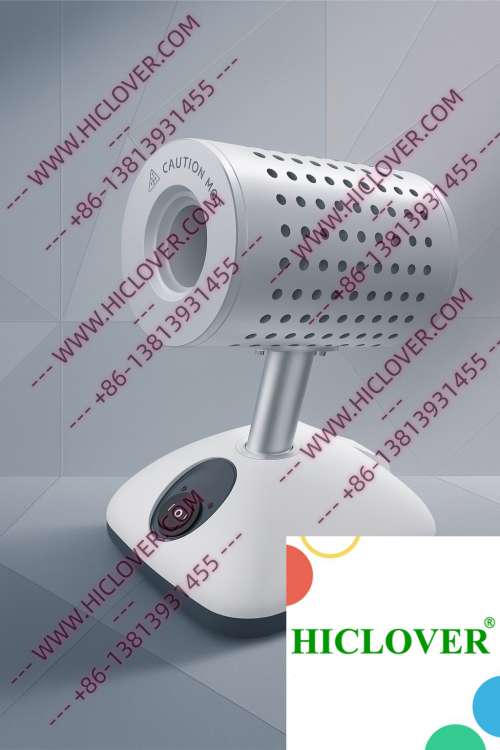
Health authorities worldwide emphasize the importance of adhering to strict biosafety and laboratory sterilization standards. The World Health Organization (WHO) and other regulatory bodies have established guidelines that focus on minimizing contamination risks in laboratory environments. Implementing the Micro Incinerator allows laboratories to comply with these regulations efficiently while creating a clean and safe operating environment.
Significantly, using a flame-free sterilization method aligns well with protocols for cleanroom operations, where avoiding open flames is paramount. Moreover, the Micro Incinerator has been designed with a focus on effective waste management, contributing to sustainable practices in healthcare and research labs across Grand Rapids and beyond.
Micro Incinerator vs. Traditional Flame Sterilizers: A Comparison
Factor Micro Incinerator Traditional Flame Sterilizers
Heat Source Infrared technology Open flame
Safety Non-flammable, reduced aerosol risk High risk of burns and fire hazards
Efficacy Rapid thermal sterilization Slower, requires manual operation
Portability Compact and lightweight Potentially bulky and less mobile
Environmental Impact Energy-efficient, sustainable Higher emissions due to combustion
Real Lab Use Cases
The implementation of the Micro Incinerator not only enhances efficiency but also addresses the specific needs of modern laboratories. A prominent example can be observed in clinical diagnostic labs, where quick turnaround times for tests are critical. The Micro Incinerator provides swift sterilization for inoculating loops, ensuring uninterrupted workflow and immediate sample handling without the risks associated with traditional flame methods.
Another scenario can be found in university teaching labs, where students learn the fundamentals of microbiology. The Micro Incinerator’s straightforward operation allows instructors to emphasize safety and cleanliness, while the absence of flames promotes a more secure learning environment. This shifts focus from worrying about potential hazards towards fostering a more engaging educational experience.
Frequently Asked Questions
Conclusion
As Grand Rapids Hospital showcases the Micro Incinerator, it signifies a pivotal advancement in laboratory sterilization and medical waste management. By embracing innovative technology that promotes safety, compliance, and sustainability, labs can significantly improve their sterilization workflows. If you’re considering integrating the Micro Incinerator into your laboratory processes, reach out to us today for more information on how this powerful tool can benefit your operations.
Categories:
Tags: