
In diverse laboratory environments, from academic institutions to clinical settings, the importance of effective sterilization cannot be overstated. With the rising demand for stringent biosafety measures, laboratories grapple with challenges that include contamination control, workflow efficiency, and maintaining compliance with global sterilization standards. The adoption of micro incinerators, particularly the Infrared Inoculating Loop Sterilizer, offers a solution that not only enhances laboratory operations but also aligns with green innovation initiatives in Penang and beyond.
Technical Principles of Micro Incinerators
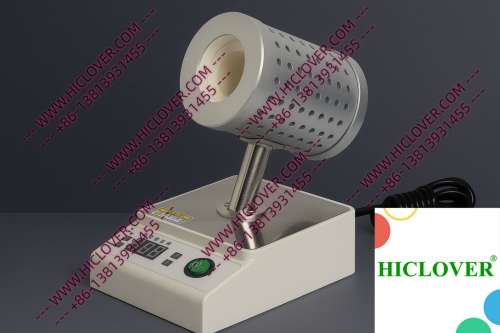
The micro incinerator operates on the principle of rapid thermal sterilization using infrared heat. This advanced technology features an enclosed ceramic heating chamber that generates high temperatures virtually instantaneously. When the inoculating loop is inserted into the device, the infrared heat ensures effective sterilization without the open flame associated with traditional methods, such as Bunsen burners and alcohol lamps. This process minimizes the risk of aerosols and contamination, making it particularly suitable for sensitive laboratory environments.
Comparative Advantages of Micro Incinerators
| Feature | Micro Incinerator | Flame Burners |
|---|---|---|
| Heat Source | Infrared | Open Flame |
| Contamination Risk | Low | High |
| Energy Efficiency | High | Medium |
| Operation Time | Instantaneous | Requires Ignition |
| Cleanroom Safety | Ideal | Not Suitable |
Application Scenarios in Real Labs
Biosafety Cabinets
In BSL-2 and BSL-3 laboratories, where handling infectious agents is routine, the adoption of micro incinerators significantly enhances safety protocols. These devices are used in biosafety cabinets, where maintaining sterile conditions is imperative. The enclosed nature of the sterilization process ensures no aerosols or contaminants escape, upholding the integrity of controlled environments.
Field Testing and Teaching Labs
Field testing labs, especially those in remote locations, benefit from the portability and efficiency of micro incinerators. When combined with kits for environmental sampling, these devices provide a robust solution for immediate sterilization of inoculating loops on-site. In university teaching labs, this innovation introduces students to modern sterilization techniques, emphasizing clean-bench-safe practices and the advantages of aerosol-free handling.
Biosafety Compliance and Environmental Impact
The WHO has established comprehensive biosafety guidelines for laboratories, underscoring the necessity for effective sterilization methods. Traditional flame sterilizers present significant challenges, including the production of aerosols that can compromise biosafety cabinet environments. In contrast, micro incinerators adhere to stringent lab sterilization standards without introducing an open flame, making them suitable for use in cleanrooms where safety is paramount.
Moreover, the implementation of micro incinerators aligns with green initiatives by minimizing carbon footprints associated with energy consumption and promoting sustainable practices in waste management. The reduced risk of environmental contamination is an added benefit, echoing the calls for environmental stewardship in Penang’s laboratory sectors.
Frequently Asked Questions
- What are the main benefits of using micro incinerators over traditional flame sterilizers? Micro incinerators provide lower contamination risks, higher energy efficiency, and enhanced safety in cleanroom environments.
- Can micro incinerators be utilized in fieldwork? Yes, their portable design makes them ideal for field testing applications, allowing for immediate and effective sterilization on-site.
- Are micro incinerators compliant with WHO biosafety standards? Absolutely, micro incinerators meet international sterilization standards and are suitable for use in high biosafety laboratories.
- How do I ensure proper usage of the micro incinerator in the lab? Adhering to operator guidelines and safety protocols, such as using it within a biosafety cabinet, ensures optimal performance and safety.
- What types of laboratories benefit the most from micro incinerators? BSL-2 and BSL-3 microbiology labs, clinical diagnostics, and university teaching labs are prime candidates for this sterilization technology.
Conclusion
As Penang laboratories innovate toward sustainable practices, the adoption of micro incinerators represents a significant advancement in laboratory sterilization technology. By transitioning to Infrared Inoculating Loop Sterilizers, labs enhance their effectiveness in contamination control and adhere to global compliance standards while promoting a greener approach to waste management. For those ready to modernize their facility with high-quality micro incinerators, we invite you to contact us for more information or to explore our available products.