
The evolving landscape of laboratory biosafety presents both challenges and opportunities. As researchers and laboratory personnel confront the stringent demands of sterilization workflows, the need for effective, safe, and compliant sterilization equipment becomes critical. Traditional sterilization methods such as alcohol lamps and Bunsen burners, while time-tested, introduce risks such as open flames, aerosol generation, and varying efficacy. In contrast, micro incinerators, particularly the Infrared Inoculating Loop Sterilizer, represent a revolutionary step forward in achieving sterilization without the associated hazards.
The Technical Principles of Micro Incinerators
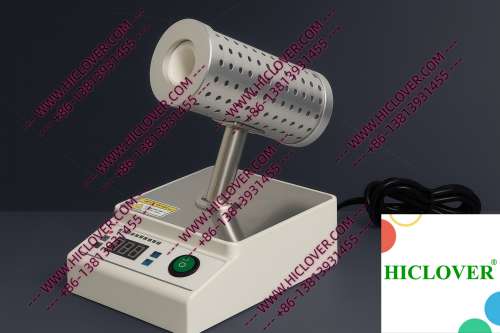
Micro incinerators function on the principle of infrared heat, utilizing a ceramic heating chamber that delivers rapid thermal sterilization. This innovative design allows for enclosed operations that significantly minimize the risk of contamination while providing high-temperature disinfection. Unlike traditional flame methods, the micro incinerator achieves effective sterilization through direct heat transfer, ensuring that the inoculating loops and other tools are rapidly and efficiently sterilized without the risk of open flames.
Compliance with Biosafety Standards
Compliance with biosafety and lab sterilization standards is paramount in laboratory settings. Organizations such as the World Health Organization (WHO) and various national health agencies outline stringent regulations for lab sterilization to ensure safety in BSL-2 and BSL-3 microbiology labs, clinical diagnostics, and university teaching settings. The micro incinerator, being flame-free, is particularly suited for clean rooms where aerosols must be controlled and where the risk of fire hazards posed by traditional flame methods is unacceptable. This aligns with the compliance standards required in modern labs, ensuring a safe working environment.
Application Scenarios for Micro Incinerators
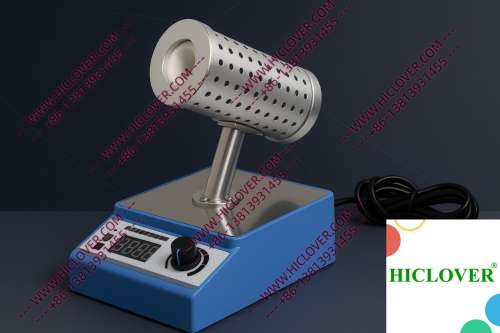
1. Biosafety Cabinets: In BSL-2 and BSL-3 environments, maintaining a sterile workspace is vital. Using micro incinerators in biosafety cabinets mitigates contamination risks associated with traditional flame sterilizers. The enclosed design works seamlessly within the biosafety protocols, allowing for quick and effective sterilization without the disturbance of air flow.
2. Field Testing Laboratories: When conducting field tests, such as sampling for environmental studies, researchers often find themselves in settings where traditional sterilization equipment is impractical. A portable micro incinerator can provide a safe and effective option for immediate sterilization of inoculating loops, enabling researchers to maintain contamination control in remote locations.
Benefits of Using Micro Incinerators
- Aerosol-Free Handling: The absence of flames eliminates the risk of aerosol production, enhancing safety.
- Compact Design: Micro incinerators are often smaller and more portable than their traditional counterparts.
- Reduced Risk of Fire: Flame-free operation significantly diminishes the hazards associated with combustion.
- Rapid Thermal Sterilization: Achieves high temperatures quickly, reducing sterilization times.
- Environmentally Friendly: Less fuel consumption and no emissions compared to flame-based sterilizers.
Comparison: Micro Incinerators vs. Flame Burners
| Feature | Micro Incinerators | Flame Burners |
|---|---|---|
| Safety | No open flame; safe for all lab environments. | Open flame; increased hazard in clean rooms. |
| Operating Efficiency | Rapid thermal sterilization; quick heat-up time. | Variable efficiency; longer to achieve optimal temperature. |
| Contamination Control | Aerosol-free, minimizing infection risks. | Potential to produce aerosols; higher risk of contamination. |
| Portability | Compact design for mobile applications. | Bulky and less portable; requires stable surfaces. |
FAQs
- What is a micro incinerator, and how does it work?
- A micro incinerator is a portable sterilization device that uses infrared heat to disinfect tools and instruments quickly and safely. It works by rapidly heating an enclosed ceramic chamber to achieve effective sterilization without open flames.
- Are micro incinerators compliant with WHO biosafety standards?
- Yes, micro incinerators are designed to comply with WHO biosafety standards, making them suitable for use in BSL-2 and BSL-3 laboratories.
- What are the advantages of using a micro incinerator over traditional flame sterilizers?
- Micro incinerators provide enhanced safety due to their flame-free operation, increased sterilization efficiency, and reduced risk of contamination through aerosol generation.
- Can micro incinerators be used in field settings?
- Yes, micro incinerators are compact and portable, making them ideal for use in mobile labs and field testing environments.
- How quickly can a micro incinerator sterilize an inoculating loop?
- Micro incinerators achieve rapid thermal sterilization, allowing inoculating loops to be effectively sterilized in a matter of seconds.
Conclusion
As laboratories continue to navigate the challenges of biosafety and sterilization, micro incinerators emerge as a frontrunner in providing clean, efficient, and compliant solutions. Whether in teaching labs, field testing environments, or BSL-3 research facilities, these devices offer distinct advantages over traditional flame sterilizers. For laboratories and suppliers committed to maintaining the highest standards of safety and efficiency, investment in a micro incinerator is a forward-thinking choice. Contact us today to learn how our Infrared Inoculating Loop Sterilizers can transform your sterilization processes.
Categories:
Tags: