
In the intricate landscape of laboratory biosafety, maintaining a sterile environment is not just a guideline; it is a necessity. Microbiology labs, particularly those classified as BSL-2 or BSL-3, face constant challenges concerning contamination control and sterilization efficiency. With a growing emphasis on rapid thermal sterilization techniques, the need for innovative sterilization equipment, such as the Micro Incinerator or Infrared Inoculating Loop Sterilizer, cannot be overstated. This article delves into the science behind these devices, their applications, compliance with biosafety standards, and the myriad advantages they offer over traditional flame sterilizers.
Understanding the Technical Principles
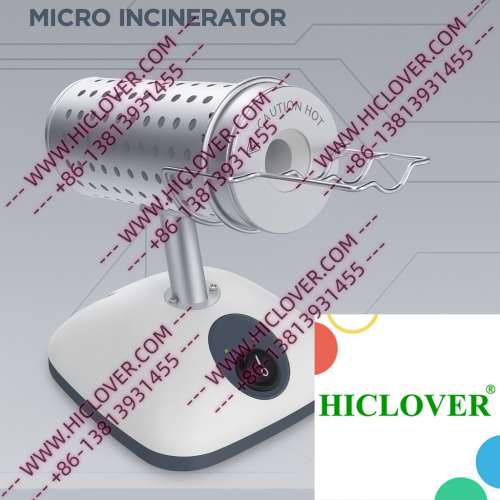
The Micro Incinerator utilizes advanced infrared heat to ensure effective sterilization. The essential component of this device is its ceramic heating chamber, designed to reach high temperatures quickly, resulting in efficient disinfection. Unlike traditional flame sterilizers, which rely on open flames, the enclosed ceramic tube of the Micro Incinerator minimizes the risks associated with fire hazards. This technology enables laboratory personnel to achieve a clean and safe working environment while ensuring that all inoculating tools are free from contaminants.
Efficiency through Design
“Efficiency in sterilization is not merely about speed; it’s about the safety and reliability of the sterilization process.”
- Rapid thermal sterilization reduces the time required for effective tool disinfection.
- Enclosed design eliminates the risk of aerosol generation, ensuring a clean-bench-safe workspace.
- Compact and portable, allowing use in both fixed laboratories and field testing scenarios.
- What is a Micro Incinerator? A Micro Incinerator is a rapid thermal sterilizer designed for the effective disinfection of inoculating tools without using an open flame.
- How does it compare to traditional flame sterilizers? It offers greater safety, speed, and effectiveness while avoiding hazards associated with flames and aerosols.
- Can it be used in field testing scenarios? Yes, its portability makes it suitable for field testing in various environments, including remote locations.
- What standards does it comply with? It complies with WHO biosafety guidelines and laboratory sterilization standards, ensuring the highest levels of safety.
- Is it easy to operate for training purposes? Absolutely, its straightforward design makes it an excellent tool for educating students in laboratory settings.
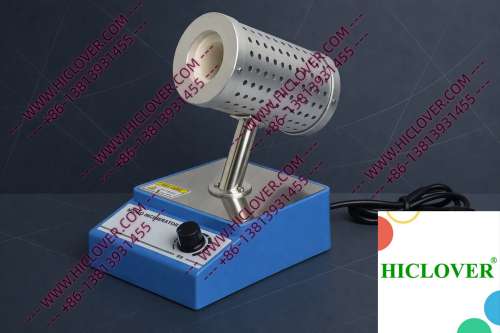
Real-Life Applications in Laboratory Settings
The Micro Incinerator excels in various laboratory environments, showcasing versatility in its application:
1. Biosafety Cabinets
In BSL-2 and BSL-3 microbiology labs, the use of microbiological safety cabinets is critical. The Micro Incinerator can be comfortably placed inside these cabinets, offering a safe and effective solution for sterilizing loops and other inoculation instruments. Its rapid disinfection capabilities support strict biosafety protocols, reducing the risk of cross-contamination during procedures such as pathogenic microorganism culturing.
2. Teaching Laboratories
In academic settings, university teaching labs emphasize practical training while ensuring students adhere to safety standards. The Micro Incinerator’s simplicity and efficiency make it ideal for educational purposes, where students can learn the importance of sterilization techniques without the dangers associated with flame-based sterilizers. This real-time feedback on sterilization effectiveness leads to a more profound appreciation for contamination control methods.
Compliance with Biosafety Standards
Compliance with WHO biosafety principles and laboratory sterilization standards is fundamental to laboratory operations. Flame sources in clean rooms are not only inefficient but also pose an increased risk of contamination and safety hazards. The Micro Incinerator offers a solution through its flame-free operation.
Advantages over Traditional Flame Sterilizers
| Feature | Micro Incinerator | Flame Sterilizers |
|---|---|---|
| Speed | Rapid thermal sterilization | Time-consuming |
| Sparks and Aerosols | No plume generation | Can create hazardous aerosols |
| Portability | Compact and lightweight | Bulkier and less portable |
| Safety | Enclosed design eliminates fire hazards | Open flame presents fire risks |
FAQs about Micro Incinerators
Conclusion
The Micro Incinerator represents a pivotal advancement in laboratory sterilization equipment, providing effective, safe, and compliant solutions to the pressing challenges of contamination control in various lab environments. As you seek out reliable sterilization tools for hospitals, universities, or research centers, consider the advantages this innovative device holds over traditional flame sterilizers. For inquiries or to discuss purchase options, please reach out to us today—ensuring your lab achieves the highest standards of contamination control.
Categories:
Tags: