
In contemporary laboratories, safety and efficiency are paramount. The challenges of biosafety and sterilization workflows demand innovative solutions to manage contamination risks. Traditional sterilization methods, such as alcohol lamps and Bunsen burners, often pose hazards in sensitive environments, driving the need for alternative technologies like the Micro Incinerator or Infrared Inoculating Loop Sterilizer. These high-temperature infrared sterilizers not only enhance workplace safety but also improve the reliability of sterilization processes.
Understanding Infrared Sterilization Technology
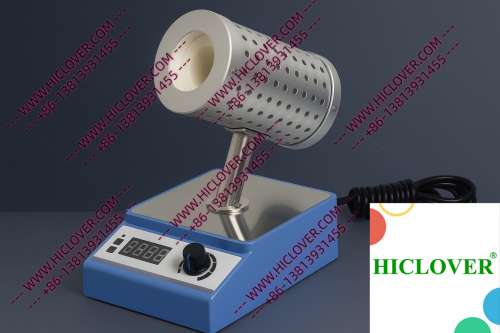
The core feature of high-temperature infrared sterilizers lies in their unique infrared heat technology. These devices utilize an enclosed ceramic tube that produces rapid thermal sterilization, generating high temperatures in a controlled manner. When heated to specific levels, this technology effectively eliminates bacteria, viruses, and other pathogens without the risk of open flames, which can introduce contamination into the environment.
Comparing Sterilization Methods
| Features | Micro Incinerator/Infrared Sterilizer | Flame Sterilizers (Alcohol Lamps/Bunsen Burners) |
|---|---|---|
| Safety | No open flame reduces fire risks | Open flame increases risk of accidents |
| Efficiency | Rapid thermal sterilization | Longer heating time |
| Contamination Control | Aerosol-free handling | Potential for aerosol generation |
| Compliance | Meets WHO and lab sterilization standards | May not meet clean room requirements |
Real-Life Applications in Laboratory Settings
The versatility of infrared sterilizers makes them ideal for a variety of laboratory environments, such as:
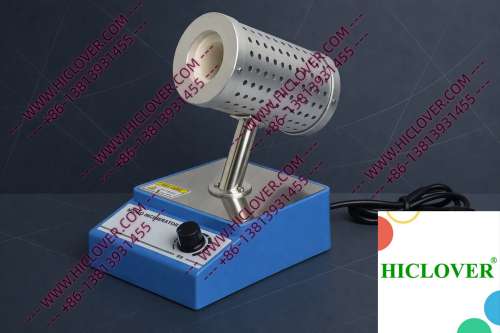
- Biosafety Cabinets: In BSL-2 and BSL-3 laboratories, where safety is critical, the Micro Incinerator provides an effective way to sterilize inoculating loops and other tools without generating flames or aerosols.
- Field Testing: Mobile or field testing labs benefit from the compact design of infrared sterilizers that can operate without the bulk and hazards associated with flame devices, making them suitable for remote or outdoor environments.
- University Teaching Labs: In educational settings, the use of infrared sterilizers facilitates safe and efficient training, exposing students to modern sterilization methods while minimizing risks.
Compliance and Environmental Considerations
Adherence to health and safety standards is essential in laboratory operations. The World Health Organization (WHO) emphasizes maintaining biosafety levels, especially in microbiology labs. The Micro Incinerator aligns with these compliance requirements by eliminating the risks associated with open flames, which are not suitable for clean rooms or sensitive environments that demand rigorous contamination control.
Additionally, the use of infrared sterilizers supports clean laboratory practices by reducing the generation of smoke and fumes commonly associated with flame sterilizers, thus contributing to a healthier work environment.
Frequently Asked Questions (FAQs)
1. What are the main benefits of using a Micro Incinerator for sterilization?
The Micro Incinerator offers rapid thermal sterilization without open flames, enhancing safety and efficiency while minimizing contamination risks.
2. Are infrared sterilizers suitable for all laboratory environments?
Yes, they are highly suitable for BSL-2, BSL-3, teaching labs, and field testing scenarios. Their design allows safe operation in diverse conditions.
3. How do infrared sterilizers comply with laboratory safety regulations?
Infrared sterilizers meet WHO biosafety and sterilization standards by eliminating open flames and reducing aerosol generation, which helps maintain clean rooms.
4. Can I use a Micro Incinerator in a field testing application?
Absolutely! Their compact design and safe operation make them ideal for mobile labs conducting field testing.
5. What makes infrared sterilizers more efficient than traditional flame sterilizers?
Infrared sterilizers achieve rapid thermal sterilization, which significantly reduces the time needed for sterilization compared to flame methods.
Conclusion
As laboratory environments evolve, advancing sterilization technologies like the Micro Incinerator / Infrared Inoculating Loop Sterilizer are crucial for meeting modern safety standards and operational demands. By replacing traditional flame-based methods with high-temperature infrared sterilizers, labs can enhance biosafety, streamline workflows, and significantly reduce contamination risks.
For more information on how high-temperature infrared sterilizers can transform your laboratory operations or to make a purchase, contact us today. Our team is ready to assist you in choosing the right sterilization equipment for your needs.