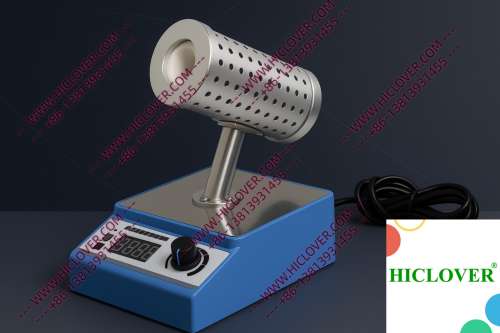
In today’s fast-evolving laboratory environments, the demand for effective sterilization solutions that ensure contamination control is paramount. Laboratories face significant biosafety challenges, including the need for reliable sterilization methods that minimize risks while maintaining efficiency. This has led to the integration of advanced technologies, like the Micro Incinerator, or Infrared Inoculating Loop Sterilizer, into laboratory workflows. By harnessing the power of infrared heat, these innovative tools are transforming sterilization practices in biosafety cabinets and field testing scenarios alike.
The Technical Principles of Infrared Sterilization
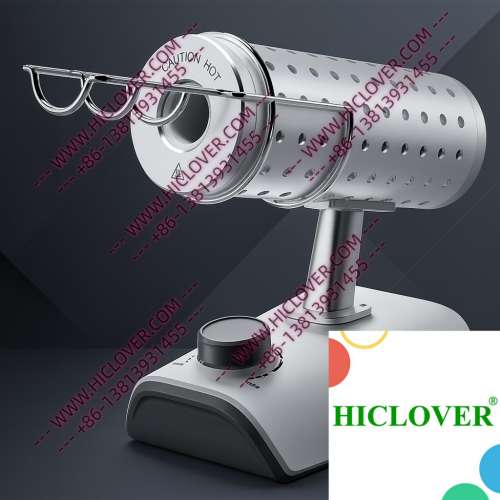
The Micro Incinerator employs rapid thermal sterilization principles through an enclosed ceramic tube, allowing it to deliver high-temperature disinfection effectively. The device functions by generating infrared radiation that heats the ceramic chamber, reaching temperatures that can eliminate a wide range of microbial contaminants almost instantaneously. Unlike traditional flame sterilizers such as alcohol lamps and Bunsen burners, the use of infrared technology offers a clean, safe, and aerosol-free handling experience.
This state-of-the-art equipment not only increases the safety of laboratory personnel but also ensures that the workspace remains free from potential hazardous fumes associated with flame sterilizers. The Micro Incinerator presents a compact and efficient design that makes it suitable for various laboratory settings.
Real-World Applications of Micro Incinerators
The Micro Incinerator finds broad applicability across numerous laboratory environments, with highlighted scenarios including:
- Biosafety Cabinets: Within BSL-2 and BSL-3 microbiology labs, maintaining a sterile environment is critical for the handling of pathogenic microorganisms. Micro Incinerators offer a rapid sterilization option that allows researchers to quickly and effectively sterilize inoculating loops and other small instruments between uses, significantly reducing the risk of cross-contamination.
- Teaching Laboratories: In university teaching labs, students often require hands-on experience with sterilization techniques. The compact design and ease of operation of the Micro Incinerator make it an ideal choice for educational environments. Instructors benefit from the clear visual feedback of the infrared heat with no flames, enhancing student safety and learning.
Biosafety Compliance and Environmental Considerations
Adhering to strict biosafety protocols, including WHO biosafety and laboratory sterilization standards, is essential in maintaining a secure laboratory environment. The Micro Incinerator is designed to comply with these guidelines, ensuring that flame-free sterilization methods are employed, thereby making it clean-bench safe for use in sterile environments. Conventional flame sterilizers can produce aerosols and residues that may compromise clean room conditions, while infrared sterilization eliminates these concerns.
Additionally, using the Micro Incinerator contributes to a more environmentally friendly laboratory operation, as it minimizes the use of flammable substances and reduces the risk of fire hazards associated with open flames.
Micro Incinerator vs. Traditional Flame Burners
| Feature | Micro Incinerator | Traditional Flame Burner |
|---|---|---|
| Method of Sterilization | Infrared Heat | Open Flame |
| Aerosol Production | No | Yes |
| Temperature Control | Precise | Variable |
| Risk of Fire Hazard | Low | High |
| Usability in Clean Rooms | Ideal | Not Recommended |
FAQs About the Micro Incinerator
What are the benefits of using a Micro Incinerator over traditional flame sterilizers?
Micro Incinerators provide a safe, efficient, and precise method for sterilization without the risks associated with open flames, such as fire hazards and aerosol production.
Can the Micro Incinerator be used in BSL-3 laboratories?
Yes, the Micro Incinerator is designed to be compliant with biosafety protocols for use in BSL-3 laboratories, making it suitable for handling pathogenic materials.
How does an infrared sterilizer work?
The Micro Incinerator utilizes infrared heat emitted from a ceramic heating chamber to rapidly sterilize instruments by reaching high temperatures almost instantly.
Is the Micro Incinerator environmentally friendly?
Yes, it minimizes the use of flammable substances and the risks of contamination typically associated with open flames in sterile environments.
What types of instruments can be sterilized using a Micro Incinerator?
The Micro Incinerator is ideal for sterilizing inoculating loops, needles, and other small laboratory instruments used in microbiological work.
Conclusion
In a world where laboratory safety and efficiency are of paramount importance, the Micro Incinerator—an advanced infrared inoculating loop sterilizer—stands out as a crucial tool for modern laboratories. Its ability to deliver rapid thermal sterilization while maintaining compliance with stringent biosafety standards positions it as a preferred choice for universities, research centers, and clinical diagnostics labs alike.
Whether you are looking to upgrade your laboratory’s sterilization workflow or enhance safety in teaching labs, the Micro Incinerator provides the reliability and effectiveness you need. Contact us today to learn more about how this innovative technology can benefit your laboratory!
Categories:
Tags: