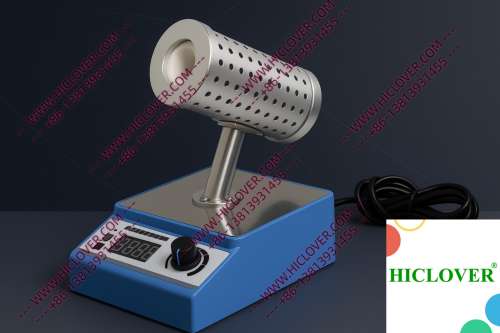
In the context of Brazil’s urgent need to improve waste management and recycling practices, the adoption of innovative technology has become a priority. Traditional methods not only pose biosafety challenges but also fall short of meeting the increasing demands of efficient recycling workflows. As various industries seek to enhance sustainability, micro incinerators like the Micro Incinerator / Infrared Inoculating Loop Sterilizer emerge as a transformative solution.
Introduction to Micro Incineration
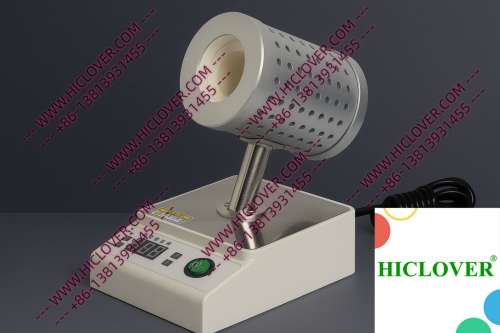
Micro incinerators utilize rapid thermal sterilization through their advanced design, which features an enclosed ceramic heating chamber. This technology allows for precise temperature control while minimizing risks associated with contamination. With a focus on infrared heat treatment, these devices achieve high-temperature disinfection without producing open flames, making them significantly safer than traditional methods, such as alcohol lamps or Bunsen burners.
Features of Micro Incinerators
- Infrared Heat Technology: Ensures optimal sterilization conditions by effectively targeting the required temperature.
- Contamination Control: The enclosed ceramic tube minimizes aerosol production, making it ideal for biosafety cabinet use.
- Clean-Bench-Safe Operation: Reduces the risks of cross-contamination, suitable for BSL-2 and BSL-3 environments.
- Portability: Many models are designed for easy transport, ideal for field testing applications.
- What is a micro incinerator?
A micro incinerator is a compact and efficient sterilization device that uses infrared heat technology to eliminate biological contamination without producing open flames. - How do micro incinerators improve laboratory safety?
By providing aerosol-free handling and eliminating open flames, micro incinerators enhance safety, especially in BSL-2 and BSL-3 laboratories. - Are micro incinerators compliant with WHO standards?
Yes, many micro incinerators are designed to meet WHO biosafety and sterilization standards. - Can micro incinerators be used in field testing?
Absolutely! Their portable design and robust performance make them ideal for mobile laboratory applications. - What advantages do micro incinerators have over alcohol lamps?
Micro incinerators offer precise temperature control, greater sterilization effectiveness, and enhanced safety without the risks associated with alcoholic flames.
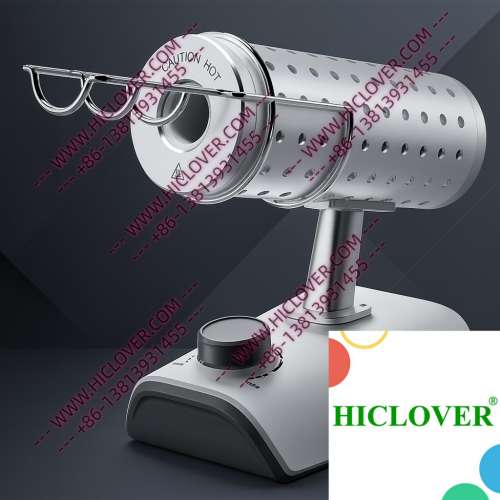
Real-Life Applications of Micro Incinerators
Micro incinerators are increasingly favored in various laboratory settings across Brazil. Here are two practical examples:
1. Biosafety Cabinets
In BSL-2 laboratories, controlling contamination is paramount. The Micro Incinerator provides an effective solution for sterilizing inoculating loops and other small tools directly within a biosafety cabinet. Its rapid thermal sterilization capability ensures that tools are ready for immediate use, reducing workflow interruptions and minimizing the risk of biological hazards.
2. University Teaching Labs
In educational settings, the need for safe and effective sterilization methods is critical. University teaching labs utilize micro incinerators to introduce students to best practices in biosafety. The infrared technology allows for a hands-on learning experience where students can witness efficient sterilization in action, reinforcing principles of laboratory safety and hygiene.
Compliance and Environmental Standards
Adhering to global biosafety compliance standards is essential for laboratories operating in Brazil. The World Health Organization (WHO) has outlined several guidelines that emphasize the importance of sterilization processes in controlling infectious agents. Traditional flame methods can produce hazardous emissions and compromise cleanroom integrity. In contrast, micro incinerators offer an environmentally friendly alternative by eliminating the use of gas and reducing waste output.
Compliance with laboratory sterilization standards is not merely a regulatory obligation; it ensures the safety of lab personnel and the surrounding community. Laboratories that integrate micro incinerators into their workflows can achieve superior compliance without sacrificing performance or safety.
Benefits of Using Micro Incinerators vs. Traditional Flame Sterilizers
| Feature | Micro Incinerator | Flame Sterilizer |
|---|---|---|
| Operation Temperature Control | Precise infrared heating | Variable, dependent on operator |
| Safety | Aerosol-free, no open flame | Open flame poses fire and explosion risks |
| Environment Impact | Lower waste output | Potential for harmful emissions |
| Versatility | Multiple applications in various lab settings | Primarily limited to sterilizing tools |
FAQs About Micro Incinerators
Conclusion
As Brazil continues to strive for improved waste management and recycling efforts, the role of innovative sterilization technologies, such as micro incinerators, cannot be underestimated. The switch to infrared inoculating loop sterilizers not only enhances laboratory safety but also provides effective compliance with international guidelines.
If your institution is looking to upgrade its laboratory sterilization equipment while ensuring the highest safety and environmental standards, consider investing in a micro incinerator today. Contact us for more information on how our products can benefit your laboratory operations.
Categories:
Tags: