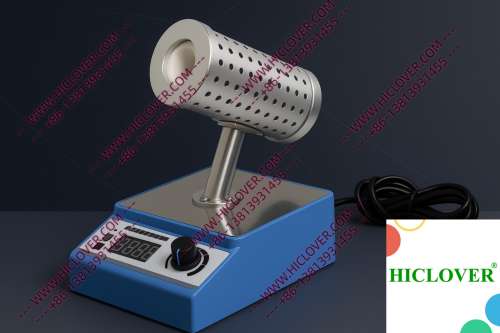
Laboratories face numerous challenges in biosafety, particularly regarding the sterilization workflows vital for maintaining contamination control. Traditional flame sterilizers, such as alcohol lamps and Bunsen burners, may not only produce aerosols but can also jeopardize the sterility of clean environments, especially in biosafety level (BSL) 2 and 3 laboratories. This is where advanced technology, like the Micro Incinerator or Infrared Inoculating Loop Sterilizer, enters the spotlight, offering innovative solutions to sterilization demands.
Technical Principles and Product Configuration
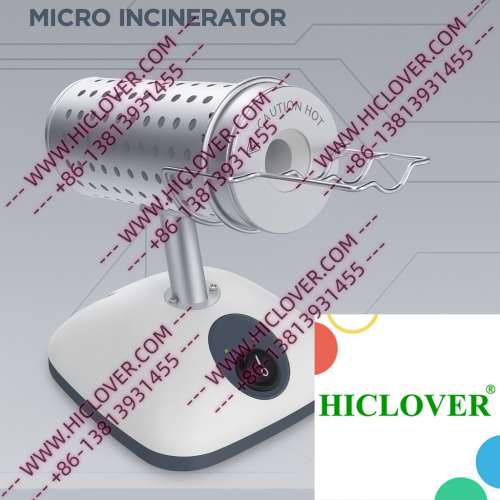
The Micro Incinerator utilizes infrared heat generated from a ceramic heating chamber, allowing for rapid thermal sterilization of inoculating loops and needles without the drawbacks of open flames. With temperatures reaching up to 900 degrees Celsius, this device ensures complete disinfection in mere seconds. Unlike traditional flame systems, the enclosed ceramic tube design minimizes the risk of flames escaping into sensitive environments, making it a clean-bench-safe option for a myriad of laboratory applications.
Key Features of the Micro Incinerator
- Rapid Thermal Sterilization: Achieves sterilization in seconds.
- Aerosol-Free Handling: Reduces the risk of airborne contamination.
- Precision Control: Adjustable temperature settings for various sterilization needs.
- Compact Design: Space-saving configuration, ideal for labs with limited workspaces.
Real-World Application Scenarios
Scenario 1: Biosafety Cabinets
In BSL-2 laboratories, maintaining a sterile environment is critical. The use of the Micro Incinerator within biosafety cabinets allows for straightforward sterilization of inoculating tools post-sample handling. This ensures no viable contaminants are reintroduced into the safe working area, crucial for producing accurate experimental results and preventing cross-contamination.
Scenario 2: University Teaching Labs
Teaching labs often experience high turnover of students and materials. Using the Micro Incinerator, lab instructors can demonstrate sterilization protocols safely and efficiently. The ease of operation and rapid cycle time promotes student engagement, as they learn proper microbiological techniques without the inherent risks associated with traditional flame-based sterilization methods.
Compliance and Safety Standards
Ensuring compliance with biosafety and sterilization standards is an essential aspect of laboratory operation. The World Health Organization (WHO) emphasizes the importance of employing appropriate sterilization equipment, particularly in clinical diagnostics and research settings. Furthermore, many laboratories are now mandated to eliminate flame sterilizers in clean rooms to maintain stringent air quality and contamination control. The Micro Incinerator is engineered to meet these compliance standards, providing a safe alternative that upholds laboratory integrity.
Advantages vs. Traditional Flame Sterilizers
| Feature | Micro Incinerator | Flame Sterilizers |
|---|---|---|
| Temperature Control | Precise & Adjustable | Variable & Uncontrolled |
| Contamination Risk | Aerosol-Free | High (aerosol generation) |
| Speed | Instant Sterilization | Time-Consuming |
| Safety | No Open Flames | Open Flames Present |
Frequently Asked Questions
1. What makes the Micro Incinerator different from other sterilizers?
The Micro Incinerator employs infrared heat technology, ensuring rapid and efficient sterilization without open flames, unlike traditional sterilizers.
2. How is the Micro Incinerator used in field testing labs?
In mobile testing labs, the Micro Incinerator provides a portable and rapid method for sterilizing inoculating tools, enabling safe operation in various locations.
3. Can the Micro Incinerator be used in clean rooms?
Yes! The Micro Incinerator is designed to operate safely within clean rooms, as it eliminates the risks associated with open flame sterilizers.
4. What are the temperature settings available in the Micro Incinerator?
The device features adjustable temperature settings, allowing for tailored sterilization based on specific laboratory needs.
5. Is training required to operate the Micro Incinerator safely?
While the Micro Incinerator is user-friendly, it is recommended that personnel receive training to understand its features and operation fully.
Conclusion
With the inherent advantages of the Micro Incinerator over traditional flame sterilizers, it is clear that this innovative solution addresses the modern challenges of laboratory sterilization. Whether you are in a research institution, university, or a clinical setting, transitioning to a Micro Incinerator can greatly enhance your sterilization workflow. For more information on improving your lab’s biosafety with this state-of-the-art sterilization equipment, feel free to contact us or explore our purchasing options!
Categories:
Tags: