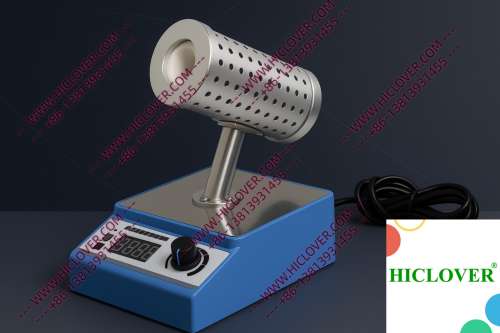
In Bahrain’s rapidly evolving healthcare landscape, ensuring optimal biosafety and contamination control remains paramount. Laboratories, whether associated with hospitals, universities, or research institutions, face a plethora of challenges in maintaining sterile environments. Among these challenges is the increasing demand for effective laboratory sterilization equipment to handle the diverse needs of biosafety level (BSL) laboratories. This article delves into the transformative role of Loop Sterilizers, particularly the Micro Incinerator / Infrared Inoculating Loop Sterilizer, in addressing these challenges.
The Challenges of Laboratory Biosafety
Biosafety in laboratories often involves strict sterilization workflows that minimize contamination risks. Traditional sterilization methods, such as alcohol lamps and Bunsen burners, while effective, pose significant safety concerns, including flame risks and aerosol production. Such challenges necessitate the adoption of safer, more efficient alternatives.
Technical Principles of Infrared Inoculating Loop Sterilizers
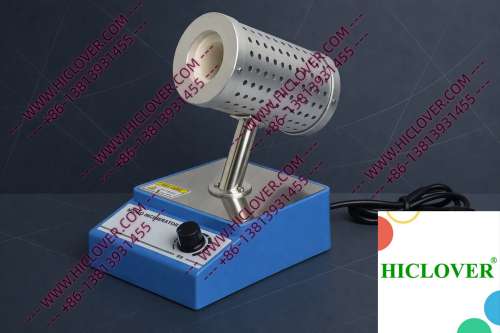
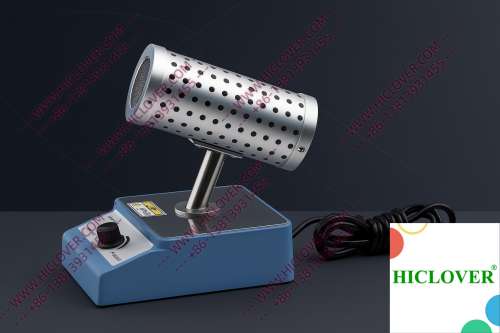
At the heart of the Micro Incinerator lies the principle of rapid thermal sterilization achieved through infrared radiation. This technology employs an enclosed ceramic heating chamber, enabling precise temperature control that can reach sterilizing levels quickly. Unlike conventional flame sterilizers, which can produce open flames that are hazardous in clean room environments, infrared sterilizers provide a clean-bench-safe solution that eliminates the risk of igniting flammable substances.
The infrared loop sterilizer heats inoculation loops uniformly, reducing cycle times while ensuring effective disinfection of the equipment. This mechanism allows for an aerosol-free handling process, making it ideal for sensitive applications where contamination could alter experimental outcomes.
Applications in Real Laboratories
1. University Teaching Labs
In educational settings, where students must often work with microbial cultures, having an efficient and safe sterilization method is crucial. The Micro Incinerator is an excellent choice for university teaching labs as it promotes hands-on learning in a controlled environment. Students can practice inoculation techniques without concerns about flame exposure or compromising their safety.
2. Field Testing Laboratories
In field testing scenarios, where mobility and efficiency are essential, the loop sterilizer proves invaluable. Its lightweight design and rapid sterilization capabilities allow researchers to conduct tests effectively in diverse environments, ensuring tools are sterilized quickly between samplings without access to traditional lab infrastructure.
Compliance with Biosafety Standards
Compliance with biosafety regulations is imperative for laboratories in Bahrain. The World Health Organization (WHO) and numerous local regulatory bodies advocate for stringent laboratory sterilization practices. The use of Micro Incinerators aligns closely with these standards, as they provide a non-flame alternative that meets sterilization guidelines while enhancing safety. Essential compliance factors include:
- No open flames allowed in clean rooms.
- Rapid and effective disinfection protocols.
- Minimizing aerosol risks during sterilization.
This compliance not only secures laboratory environments but also encourages practices that further public health and safety directives within Bahrain’s burgeoning healthcare sector.
Comparison: Micro Incinerator vs. Flame Burners
| Features | Micro Incinerator | Flame Burners |
|---|---|---|
| Safety | High: No open flames; minimizes contamination risk | Moderate: Risk of burns and aerosols |
| Speed | Rapid: Quick heating for efficient sterilization | Variable: Dependent on user technique |
| Ease of Use | High: Simple one-button operation | Moderate: Requires skill to maintain flame |
| Portability | High: Ideal for fieldwork | Low: Bulky and less suitable |
Frequently Asked Questions (FAQs)
1. What is the primary advantage of the Micro Incinerator over traditional sterilization methods?
The Micro Incinerator offers superior safety by eliminating open flames, reducing contamination risks through rapid and consistent sterilization methods, and facilitating aerosol-free handling.
2. Can the Micro Incinerator be used in biosafety level 2 (BSL-2) laboratories?
Yes, it is ideal for BSL-2 laboratories where biosafety precautions are crucial, facilitating rapid sterilization of inoculation loops without the risks associated with flame use.
3. How does the infrared sterilization process work?
The infrared sterilization process uses ceramic heating elements to rapidly reach and maintain high sterilization temperatures, effectively eliminating microbial life on inoculation loops without the hazards of open flames.
4. Is the Micro Incinerator suitable for field testing?
Absolutely! Its lightweight design and quick operation make it a perfect choice for mobile or field testing labs where sterility and efficiency are essential.
5. How can I ensure compliance with local biosafety standards using this equipment?
Utilizing the Micro Incinerator helps meet stringent biosafety standards by eliminating open flames and ensuring rapid and effective sterilization, aligning with WHO and local guidelines.
Conclusion
As Bahrain continues to innovate in healthcare, the role of laboratory sterilization equipment like the Micro Incinerator / Infrared Inoculating Loop Sterilizer becomes increasingly vital. Not only does it enhance the safety and efficiency of sterilization procedures, but it also aligns with essential compliance mandates. For laboratory supply distributors, hospitals, and universities looking to elevate their biosafety protocols, investment in cutting-edge sterilization technology is an invaluable step forward. For detailed information or inquiries about purchasing the Micro Incinerator, please do not hesitate to reach out to our team!
Categories:
Tags: