
In the dynamic landscape of laboratory work, professionals face numerous biosafety challenges, particularly in sterilization workflows. The rise of healthcare innovation in India is marked by a growing demand for effective sterilization solutions, especially in microbiology labs and academic institutions. The Micro Incinerator, also known as the Infrared Inoculating Loop Sterilizer, has emerged as a pivotal solution in addressing contamination control issues faced by professionals.
The Benefits of Micro Incinerators in Modern Labs
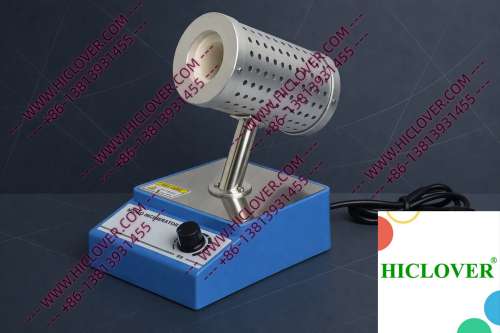
Traditional flame sterilizers, such as alcohol lamps and Bunsen burners, have been the go-to solutions for many years. However, they are increasingly being replaced by the more advanced Micro Incinerators. These devices utilize infrared heat generated within a closed ceramic tube, offering rapid thermal sterilization while significantly enhancing safety. Unlike traditional methods that involve an open flame, the Micro Incinerator provides:
- Reduced Risk of Fire: With no open flames, the risk of fire hazards is minimized.
- Clean-Bench-Safe Operations: Ideal for work in biosafety cabinets, preventing aerosol contamination.
- High-Temperature Disinfection: Ensures effective sterilization of inoculating loops and other equipment.
- Portability: Compact design allows easy transportation for field testing applications.
- Ensuring no open flames in clean rooms, which can lead to contamination.
- Providing safe handling protocols for laboratory personnel.
- Enabling a more environmentally friendly approach without the drawbacks of chemicals used in some sterilization methods.
- What is a Micro Incinerator? A Micro Incinerator is a laboratory sterilization device that uses infrared heat to sterilize inoculating loops and other equipment safely and effectively without an open flame.
- How does the Micro Incinerator differ from traditional flame sterilizers? Unlike flame sterilizers, Micro Incinerators offer more precise temperature control, reduced fire risks, and ensure clean-bench-safe operations desirable in sensitive environments.
- Can the Micro Incinerator be used in field testing labs? Yes, due to its portability and safety features, the Micro Incinerator is ideal for use in mobile or field testing laboratories.
- What biosafety standards does the Micro Incinerator comply with? The Micro Incinerator adheres to WHO biosafety recommendations and other relevant laboratory standards, improving the safety and effectiveness of sterilization practices in research environments.
- How easy is it to use a Micro Incinerator? The design of the Micro Incinerator makes it user-friendly, allowing for quick activation and efficient operation, making it suitable for both novice and experienced lab personnel.
Technical Principles and Configuration
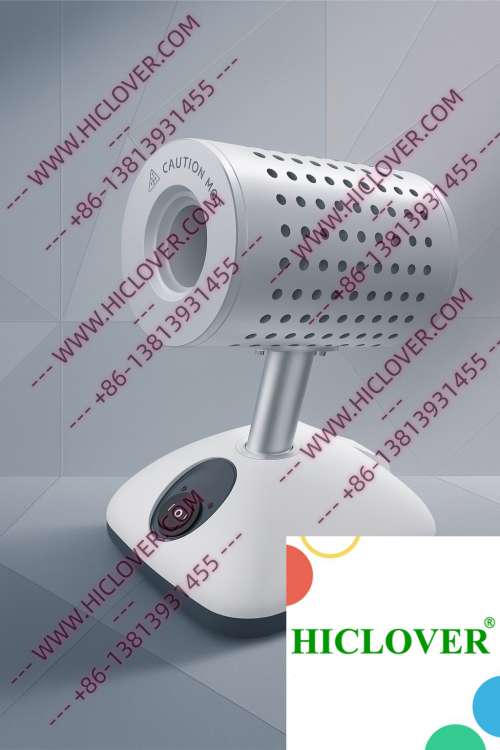
The core technical principle behind the Micro Incinerator revolves around infrared radiation and the design of the enclosed ceramic heating chamber. When the device is activated, infrared heat raises the temperature of the loops or instruments placed within the chamber to a sufficient level for rapid and thorough sterilization. The ceramic tube’s design allows for even heat distribution and quick cool-down when not in use, making it efficient for laboratory needs.
Application Scenarios in Indian Laboratories
As laboratories in India adopt more modern sterilization technologies, the usage of Micro Incinerators has surged in diverse settings:
1. University Teaching Laboratories
In university settings, students require reliable tools for microbiological research and quality instruction in biohazard management. Micro Incinerators enable educators to teach proper sterilization techniques safely, emphasizing the importance of contamination control in microbial studies.
2. BSL-2 and BSL-3 Microbiology Labs
For research laboratories operating at biological safety levels BSL-2 and BSL-3, the Micro Incinerator is particularly beneficial. These facilities must adhere to stringent safety protocols, and using a flame-free sterilization method within biosafety cabinets is essential to prevent aerosol risks, ensuring a controlled environment for pathogenic work.
Compliance and Environmental Considerations
Compliance with global biosafety standards is crucial for laboratory operations. The World Health Organization (WHO) recommends practices that focus on risk reduction and contamination prevention in laboratories. Implementing Micro Incinerators supports compliance with standards by:
Comparison: Micro Incinerator vs. Flame Burners
| Feature | Micro Incinerator | Flame Burners |
|---|---|---|
| Temperature Control | Precise and rapid thermal sterilization | Variable and harder to control |
| Safety | No open flames, less risk | Fire hazard present |
| Environmental Impact | More eco-friendly | Emissions from fuel sources |
| Usage Convenience | Quick heat up and cool down | Requires time to start |
| Application Range | Versatile across labs and field tests | Limited to appropriate environments |
Frequently Asked Questions (FAQs)
Conclusion
As healthcare innovation continues to flourish across India, the adoption of Micro Incinerators signifies a crucial step forward in laboratory sterilization practices. These devices enhance safety, improve operational efficiency, and comply with biosafety standards, ultimately reducing the risks associated with traditional flame sterilizers. For laboratories looking to elevate their sterilization workflows, we encourage contacting our team for more information on Micro Incinerators and how they can transform your laboratory’s sterilization process.
Categories:
Tags: