
In the bustling urban landscape of Mumbai, the challenges faced by laboratories in maintaining biosafety and ensuring the rapid sterilization of equipment are paramount. With increasing demands for effective waste management solutions, labs are turning to innovative technologies like the Micro Incinerator / Infrared Inoculating Loop Sterilizer. This advanced piece of laboratory sterilization equipment is not only efficient but also meets strict safety and environmental standards, making it a preferred choice for various laboratory environments.
Addressing Practical Laboratory Biosafety Challenges
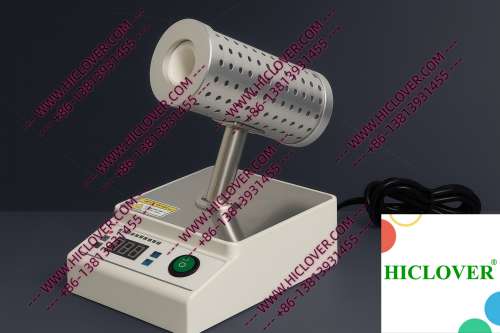
Laboratories dealing with infectious materials face significant biosafety challenges, especially in environments categorized under BSL-2 and BSL-3. Ensuring contamination control while maintaining efficient workflows is crucial for lab technicians. Traditional sterilization methods such as alcohol lamps and Bunsen burners present risks, including open flames, harmful fumes, and increased contamination potential. The need for a safe, effective sterilization method is driving labs toward adopting micro incinerators as a solution.
Understanding the Technical Principles of Micro Incinerators
The Micro Incinerator operates based on the principle of infrared high-temperature disinfection. By utilizing an enclosed ceramic heating chamber, it rapidly sterilizes inoculating loops, needles, and other metal instruments by delivering a focused beam of infrared heat. This method ensures that all surfaces of the instrument reach the necessary sterilization temperatures in a fraction of the time compared to traditional flame sterilizers.
Product Configuration and Key Features
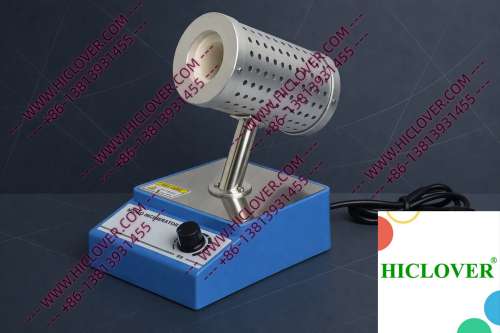
- Fast Operation: Sterilizes in as little as 5-10 seconds, enhancing throughput.
- Compact Design: Easily fits within crowded laboratory workspaces.
- Temperature Control: Adjustable heat settings to accommodate different sterilization needs.
- Safety Features: Built-in thermal protection prevents overheating.
- Aerosol-free Handling: Eliminates the risk of contamination from flame-generated aerosols.
Application Scenarios in Real Labs
1. Biosafety Cabinets
In biosafety cabinets, where environmental contamination is a concern, micro incinerators provide a secure method for sterilizing instruments without introducing open flames. This compliance with protocol significantly reduces the risk of laboratory-acquired infections, making it a valuable tool in virology and microbiology laboratories.
2. Teaching Labs
University laboratories utilize micro incinerators during instructional sessions, allowing students to learn essential sterilization techniques safely. This controlled environment fosters hands-on learning without compromising safety or compliance with laboratory guidelines.
Compliance and Environmental Considerations
The World Health Organization (WHO) has laid down stringent biosafety and lab sterilization standards that laboratories need to comply with, especially those dealing with hazardous materials. Micro incinerators align with these guidelines as they provide effective sterilization without the risks associated with open flames. They are especially suitable for clean rooms where flame use is strictly prohibited. The integration of micro incinerators significantly enhances overall laboratory safety and compliance with international standards.
Comparison Table: Micro Incinerator vs. Flame Burners
| Feature | Micro Incinerator | Flame Burners |
|---|---|---|
| Speed of Sterilization | Rapid (5-10 seconds) | Slower (20-30 seconds) |
| Safety | No open flame | Risk of burns and contamination |
| Environmental Impact | Low (no toxic fumes) | High (emission of harmful gases) |
| Ease of Use | Intuitive controls | Requires skill to operate |
| Regulatory Compliance | Meets WHO standards | May not meet all safety regulations |
Frequently Asked Questions
- What is the advantage of using a Micro Incinerator over traditional sterilizers?
Micro Incinerators provide rapid sterilization, enhanced safety, and reduced contamination risks, making them essential for modern laboratories. - Can Micro Incinerators be used in BSL-3 labs?
Yes, they are suitable for use in BSL-3 labs due to their high safety profile and compliance with biosafety standards. - What maintenance is required for a Micro Incinerator?
Regular inspections for wear and tear, along with cleaning the ceramic heating chamber, ensure optimal performance. - Are Micro Incinerators environmentally friendly?
Yes, they produce no harmful emissions, making them a clean alternative for sterilization. - How does a Micro Incinerator improve lab workflows?
Its rapid sterilization capabilities enhance laboratory throughput while ensuring compliance with safety protocols.
Conclusion: Transforming Waste Management Solutions in Mumbai
The introduction of Micro Incinerators in Mumbai’s laboratories marks a significant step towards enhancing biosafety and efficiency in sterilization practices. As a laboratory supply distributor or buyer, investing in a Micro Incinerator ensures that your facility not only meets compliance standards but also adopts a modern, innovative approach to waste management and sterilization.
Contact us today to learn more about our range of Micro Incinerators and how they can help elevate your laboratory’s sterilization process.
Categories:
Tags: