
In modern laboratory environments, the need for effective sterilization techniques is paramount. Scientists and researchers working within biosafety cabinets and other controlled environments face consistent challenges in contamination control. With the advancement of heat sterilizers, particularly the Micro Incinerator or Infrared Inoculating Loop Sterilizer, laboratories are better equipped to ensure the purity of their inoculating tools. But how do these devices work, and why are they a necessary investment in laboratory sterilization equipment?
Understanding the Technical Principles
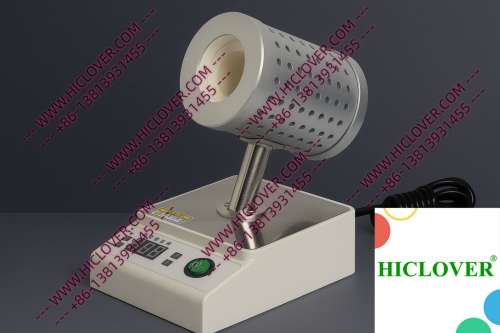
The Micro Incinerator operates using rapid thermal sterilization, leveraging infrared heat to achieve high-temperature disinfection. Enclosed within a ceramic heating chamber, the sterilizer ensures consistent and efficient sterilization of inoculating loops, needles, and other equipment without the risk of aerosol contamination commonly associated with traditional flame sterilizers like Bunsen burners or alcohol lamps.
This innovative design allows for the immediate heating of inoculating tools to temperatures that exceed 800°C. The advantages of using a Micro Incinerator are multifaceted: it provides a flame-free environment, significantly reduces the risk of chemical inhalation, and increases overall safety within the laboratory.
Advantages Over Traditional Flame Sterilizers
- Safety: No open flame, minimizing fire hazards and chemical exposure.
- Efficiency: Quickly reaches high temperatures with minimal energy consumption.
- Space-Saving: Compact design suitable for crowded laboratory workspaces.
- Reduced Risk of Contamination: Eliminates aerosol production during sterilization procedures.
Application Scenarios in Real Laboratories
The Micro Incinerator finds its place in various laboratory settings, enhancing workflow efficiency and compliance with biosafety standards. Let’s explore two application scenarios:
1. Biosafety Cabinet Operations
In BSL-2 or BSL-3 microbiology labs, maintaining a sterile environment is critical to prevent cross-contaminations. The Micro Incinerator fits seamlessly into the workflow of a biosafety cabinet, allowing researchers to sterilize inoculating loops and other equipment while minimizing the risk of contamination from aerosols or flames. The controlled environment of the cabinet enhances the effectiveness of the sterilization process, ensuring that every tool remains free from pathogens.
2. University Teaching Labs
In educational settings, where teaching labs might have varied levels of student experience with safety protocols, the Micro Incinerator serves as an excellent teaching tool. Its straightforward operation and immediate results offer students a reliable method of sterilizing tools without the dangers posed by open flames. Instructors can demonstrate the significance of sterilization in microbiological work while ensuring students have a safe learning experience.
Compliance and Environmental Considerations
Adhering to international lab sterilization standards, such as those outlined by the WHO, is crucial for laboratories worldwide. Particularly for facilities operating in sensitive environments, like healthcare settings or pathogen research labs, using flame sterilizers can pose compliance risks. This is especially pertinent in clean rooms, where the presence of open flames is strictly prohibited.
The Micro Incinerator aligns perfectly with these standards, providing a flame-free alternative that enhances worker safety and operational compliance. Its design promotes not just effectiveness in sterilization but also an environmentally conscious approach by eliminating the need for alcohol and other flammable materials.
Comparison Table: Micro Incinerator vs. Flame Burners
| Feature | Micro Incinerator | Flame Burners |
|---|---|---|
| Temperature Control | Consistent, exceeds 800°C | Variable, requires manual adjustment |
| Safety | Flame-free operation | Open flame hazards present |
| Contamination Risk | Minimized aerosol production | Aerosol generation possible |
| Energy Efficiency | Low energy consumption | Varies widely |
| Space Requirement | Compact design | Requires more space |
Frequently Asked Questions (FAQs)
What is a Micro Incinerator and how does it work?
A Micro Incinerator is a heat sterilization device that employs infrared technology to achieve high temperatures rapidly, ensuring the sterilization of inoculating tools without the use of flames.
Can the Micro Incinerator be used in clean rooms?
Yes, the Micro Incinerator is ideal for clean rooms as it eliminates the need for open flames, reducing fire hazards and ensuring compliance with stringent cleanroom protocols.
What are the key advantages of using a Micro Incinerator in laboratory settings?
Its key advantages include enhanced safety, efficient sterilization, reduced contamination risk, and a compact design suitable for various laboratory environments.
How does the Micro Incinerator help in teaching labs?
This device allows educators to demonstrate sterilization techniques safely, offering students reliable and efficient tools to learn about microbiological practices.
Are there any environmental considerations in using a Micro Incinerator?
Yes, the Micro Incinerator avoids the use of flammable materials and eliminates the generation of aerosol pollutants, making it an environmentally friendly choice in laboratory sterilization.
Conclusion
In summary, the Micro Incinerator and Infrared Inoculating Loop Sterilizer represent a vital advancement in the landscape of laboratory sterilization equipment. By ensuring the purity of your inoculating tools, these devices significantly improve laboratory safety and compliance with vital biosafety standards. As the demand for reliable sterilization methods grows, investing in high-quality sterilization equipment is crucial for research facilities, hospitals, universities, and beyond.
If you are looking to enhance your lab’s sterilization capabilities, consider adding a Micro Incinerator to your toolkit. Feel free to contact us for more information or to place an order!
Categories:
Tags: