
In the face of increasing laboratory biosafety challenges—ranging from the risk of contamination to the demand for stringent sterilization workflows—advanced sterilization equipment has become essential. One such innovation is the Micro Incinerator or Infrared Inoculating Loop Sterilizer, boasting an impressive ability to deliver rapid thermal sterilization at a temperature of 950°C. This article delves into the technology, applications, compliance standards, and the advantages of the Micro Incinerator in various laboratory environments.
Technical Principles of Micro Incinerator Technology
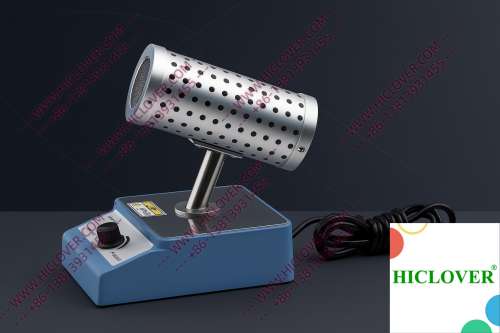
The Micro Incinerator operates on the principle of infrared heat generation. It features a ceramic heating chamber designed to focus and sustain high temperatures without the need for an open flame. This design not only ensures effective sterilization but also promotes contamination control by preventing aerosol production, which is crucial in biosafety cabinets and cleanroom environments.
When an inoculating loop is introduced into the ceramic tube of the Micro Incinerator, it experiences rapid heating, effectively eliminating microbial life within seconds. The enclosed nature of the tube minimizes the risks associated with using traditional flame sterilizers like alcohol lamps or Bunsen burners, which can create flammable vapors and environmental hazards.
Applications in Different Laboratory Settings
1. Microbiology Labs
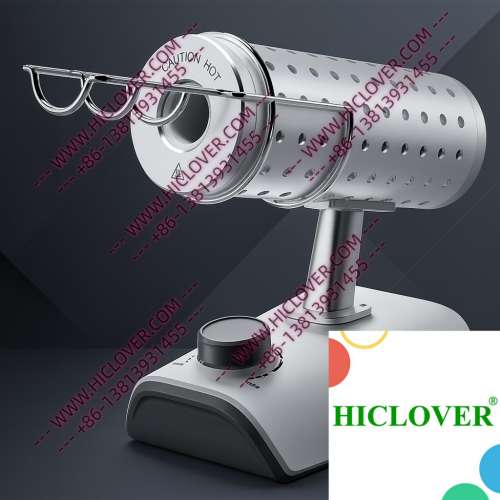
In BSL-2 and BSL-3 microbiology labs, maintaining strict biosafety protocols is vital. Micro Incinerators can be integrated into daily routines for sterilizing a variety of tools, from inoculating loops to tweezers. They ensure rapid, efficient sterilization while minimizing risk to laboratory personnel. The portability and compact design allow them to be easily positioned within biosafety cabinets, providing a reliable source of sterilization that aligns with rigorous safety standards.
2. University Teaching Labs
In educational environments, such as university teaching labs, where demonstrations of microbial techniques occur frequently, the Micro Incinerator stands out. Its straightforward operation helps students learn proper inoculation techniques with an understanding of biosafety measures. The lack of open flames makes it an ideal choice for novice users who might be inexperienced in handling traditional flame sterilization methods.
Compliance and Environmental Considerations
The use of Micro Incinerators is intrinsically aligned with various compliance and safety standards. Organizations like the World Health Organization (WHO) provide guidelines on laboratory safety, emphasizing the importance of equipment that minimizes contamination risks. Micro Incinerators can operate safely in cleanroom settings where open flames are prohibited, ensuring compliance with both local and international lab sterilization standards.
Furthermore, by eliminating the use of alcohol and other flammable materials, these devices not only safeguard personnel but also contribute to a more environmentally friendly laboratory setup. Using a ceramic heating chamber minimizes risks associated with the disposal of chemical sterilants, aligning equipment operation with sustainable laboratory practices.
Difference From Traditional Flame Sterilizers
| Feature | Micro Incinerator | Flame Sterilizer |
|---|---|---|
| Temperature Control | Precise, consistent heat at 950°C | Variable, may overheat |
| Aerosol-Free Handling | Yes | No |
| Ease of Use | Simple, safe operation | Requires user skill |
| Environmentally Friendly | Yes | No (uses flammable gases) |
Frequently Asked Questions (FAQs)
- What is the maximum temperature of the Micro Incinerator? The Micro Incinerator operates at a maximum temperature of 950°C, ensuring rapid and effective sterilization.
- Can the Micro Incinerator be used in a biosafety cabinet? Yes, it is designed to fit comfortably within biosafety cabinets, providing an aerosol-free sterilization solution.
- How does the Micro Incinerator differ from traditional flame sterilizers? Unlike traditional flame sterilizers, the Micro Incinerator provides precise and consistent heat, minimizes risk with aerosol-free handling, and is generally easier and safer to operate.
- Is this sterilizer environmentally friendly? Yes, it eliminates the need for flammable materials and is safer for the environment than traditional flame-based methods.
- What types of labs can benefit from using a Micro Incinerator? Micro Incinerators are ideal for BSL-2 and BSL-3 microbiology labs, university teaching labs, and field testing laboratories.
Conclusion
To summarize, the Micro Incinerator is a pivotal addition to modern laboratory sterilization practices. With its high-temperature, low-impact technology, it not only adheres to international biosafety standards but also streamlines sterilization workflows across diverse settings. Whether you’re operating a clinical diagnostics facility, a university lab, or conducting field tests, the Micro Incinerator delivers unparalleled benefits compared to traditional sterilization methods. Discover how enhancing your sterilization equipment can transform your laboratory operations by reaching out to us today for inquiries or procurement.
Categories:
Tags: